Performance 18+
Decorator. Chapter 2
- Instant booking
- Live actors
- 2–7Players
- 90 minutesTime
- Medium. Logic and teamwork. No special experience needed.Difficulty
- A bit scary. Jump scares and dark scenes.Scariness
About the escape room
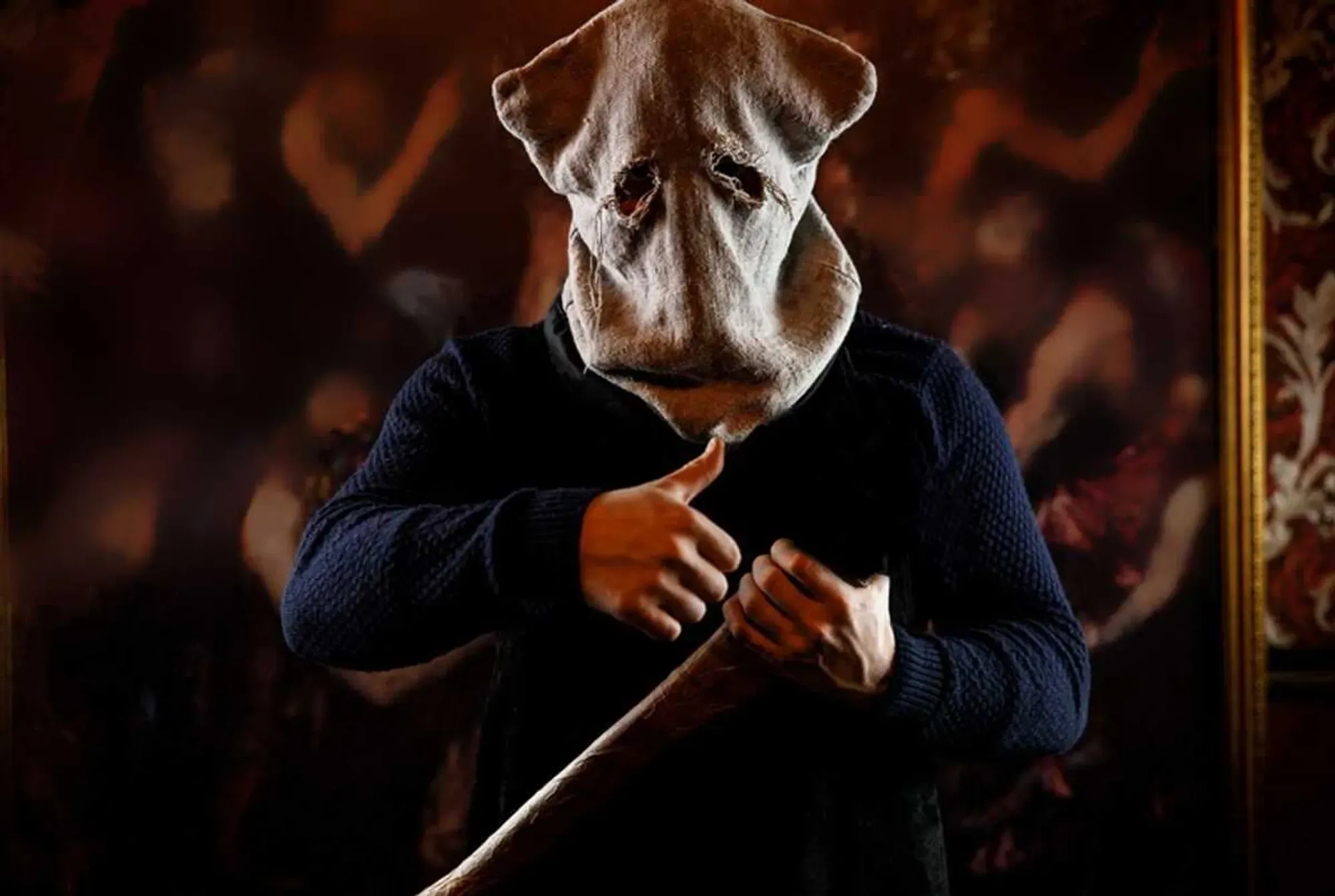
The decorator is a creator of living artworks. He yearns to indulge in helplessness, to turn inside out the emotions you try to hide in everyday life. In his mansion, the decorator has created a space through which all his victims must pass. Inside is horror, despair, disgust - it's crucial for the creator to gather a bouquet of suffering. Only after complete satisfaction with human pain can a true masterpiece be created, the main element of which is you.
Important information and features of the escape room
Для подтверждения бронирования требуется предоплата в размере 1000 рублей. При отмене игры менее чем за сутки предоплата не возвращается.
Online booking
The owner of this escape room has not yet confirmed their details.
If you are the owner of this escape room, please confirm your details so that customers can see your contact information for bookings.Location
270 метров от остановки «Автоколонна № 1228», вход справа от магазина «Пятерочка»
Services are provided by ИП Кычаков А.С.
Paid Parking
Wifi
Wardrobe
AI Overview
AIMost are thrilled with the atmosphere: locations are large, detailed, with odd passages and smooth yet unexpected transitions. The actor's performance is the main driver of emotions; contact ranges from light to hard/max. Puzzles are generally logical and woven into the plot, but some guests felt there were too few or they were on the simple side. On the minus side, there are complaints about front-of-house service, occasional organizational hiccups, and a contentious point with the stun device and safety.
WeaknessesSometimes the stun device and excessive contact get criticized — not everyone is comfortable; clear briefing and consent are needed. There are complaints about small organizational things: waiting at the entrance, actors' backstage chatter, occasional minor flaws in the location. Some felt the puzzles were too few or flew by too quickly.
StrengthsProduction design and sound are cinematic: beautiful, rich, and very immersive. The actor delivers powerfully and subtly adapts to the team. Transitions between rooms and the mechanics hook you and stick in memory.
SecurityBefore the start they explain the rules and contact levels; you can opt out of hard effects. Some reviews mention the stun device and occasional injury-risk bits — clarify the conditions and choose a comfortable level.
Level of fearGenuinely scary: many scream and come out on trembling legs. Suitable for children and teens on light modes or without the actor — people play that way too and leave satisfied.
Actors' gameThe actor is the star of this quest: appears suddenly, keeps the tension, and can both scare and play with the pace. The level of physical contact and interaction is adjustable; they soften it on request.
Quality of riddlesPuzzles are varied, mostly fair and tied to the story; hints arrive on time. Difficulty fluctuates: from 'stuck long in the first' to 'powered through,' but the logic is consistent. Sometimes people expect more challenge than there is.
PlotBy the plot, you enter the world of a maniac-artist who collects emotions as exhibits. The second chapter develops the idea through a series of locations and trials, without overexplaining.
Difficulty levelMedium difficulty: newcomers feel comfortable with hints; experienced players find it interesting due to the atmosphere and performance rather than hardcore puzzles. At high fear levels, thinking is objectively harder — that's by design.
Other escape rooms at this location
Decorator. Chapter 22 - 7 people
Escape rooms in Tyumen by category
Pick a vibe — every category is a real page with reviews and booking.
Reviews