Whisper of Ghosts
- Instant booking
- Live actors
- 2–8Players
- 60 minutesTime
- Easy. A few easy tasks. Good for a first visit.Difficulty
- Scary. Actors, sudden appearances, psychological pressure.Scariness
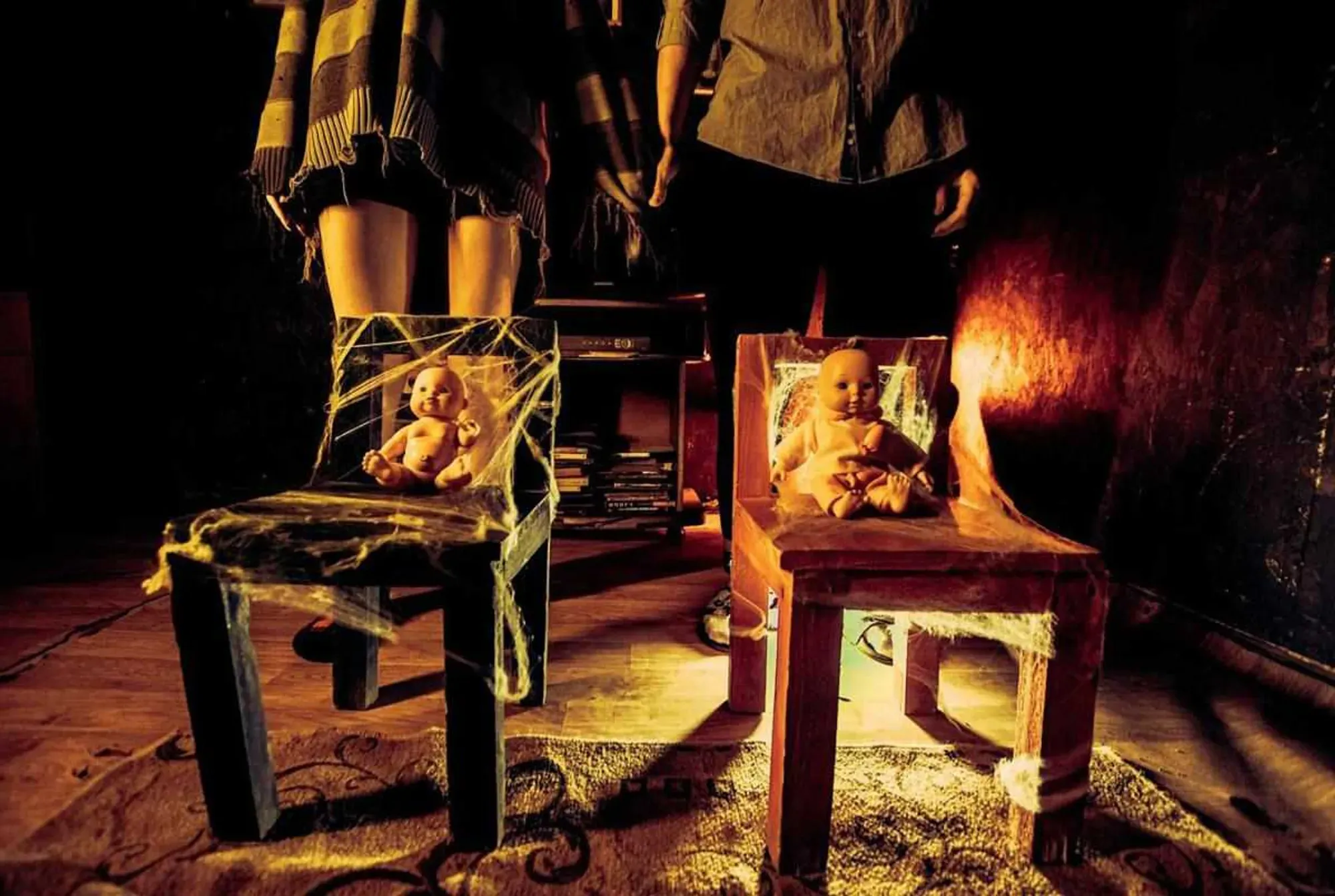
Ghosts are never noticed, they are long forgotten by people. But have you ever thought that ghosts still exist? For example, the children from the orphanage, abandoned by everyone? With whom you can easily profit and do whatever you please.
You end up checking the "Owl" shelter. According to the documents, everything is in order, everyone is fed, content, but is this really so? What terrible things are the children, rejected and doomed to rot in this disgusting "home", capable of? At the moment, only you have the power to figure this out, as for some reason your colleagues have not returned from this abandoned place.
Организаторы вправе потребовать предоплату в размере 1000 рублей.
Online booking
The owner of this escape room has not yet confirmed their details.
If you are the owner of this escape room, please confirm your details so that customers can see your contact information for bookings.Location
AI Overview
Other escape rooms at this location
Escape rooms in Yekaterinburg by category
Pick a vibe — every category is a real page with reviews and booking.
Reviews