Blinded
- Verified
- Instant booking
- 2–6Players
- 60 minutesTime
- Difficult. Dense puzzles. Better with some experience.Difficulty
- Not scary. Almost no tension.Scariness
- from 3 200 руб.Price
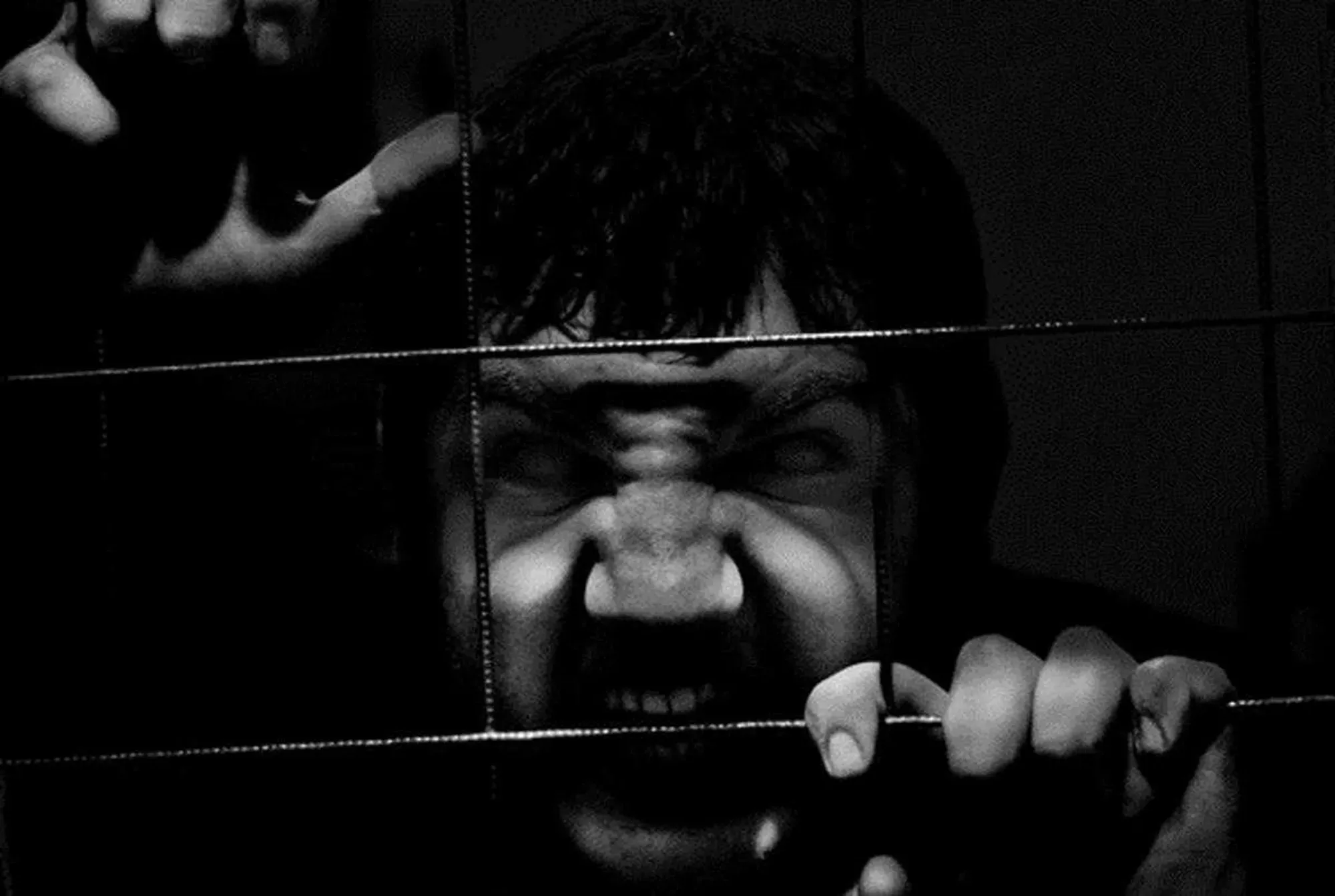
Your friend has been captured by a mentally ill person. You have very little time to save the captive and escape from the lair. We advise you not to make noise... He will hear you... Age restrictions: 18+
Здравствуйте!
Спасибо за бронирование — совсем скоро вас ждёт погружение в атмосферу игры!
Чтобы всё прошло идеально, перед посещением нужно сделать несколько вещей:
◆ Заполнить небольшую анкету
Для этого может понадобится код бронирования — он указан выше в графе «Code».
◆ Внести предоплату
https://gocrazy74.ru/prepayment
Предоплата подтверждает ваше бронирование.
Если оплата не поступит, бронь может быть отменена.
◆ Ознакомиться с правилами посещения и подписать их всем участникам
Сделать это можно через кнопку «Управление бронированием».
◆ Если в команде есть участники младше 18 лет — заполнить согласие от родителей
https://vk.ru/doc-110790710_498010752?hash=UC8HqSvLLZZ7u67FhWhwZBdphRX5Iy8ku03HMMesGXD&dl=yg2sxDe2dQV3Vz7bnDRZLHnHedzCzDxQeAJxsU4bIRc&api=1&no_preview=1
Если появятся вопросы — всегда на связи 😊
До встречи на игре!
Online booking
Location
AI Overview
Other escape rooms at this location
Escape rooms in Chelyabinsk by category
Pick a vibe — every category is a real page with reviews and booking.
Reviews