Escape room 18+
Devil's Box
- Instant booking
- Live actors
- 4–14Players
- 60 minutesTime
- Medium. Logic and teamwork. No special experience needed.Difficulty
- Scary. Actors, sudden appearances, psychological pressure.Scariness
About the escape room
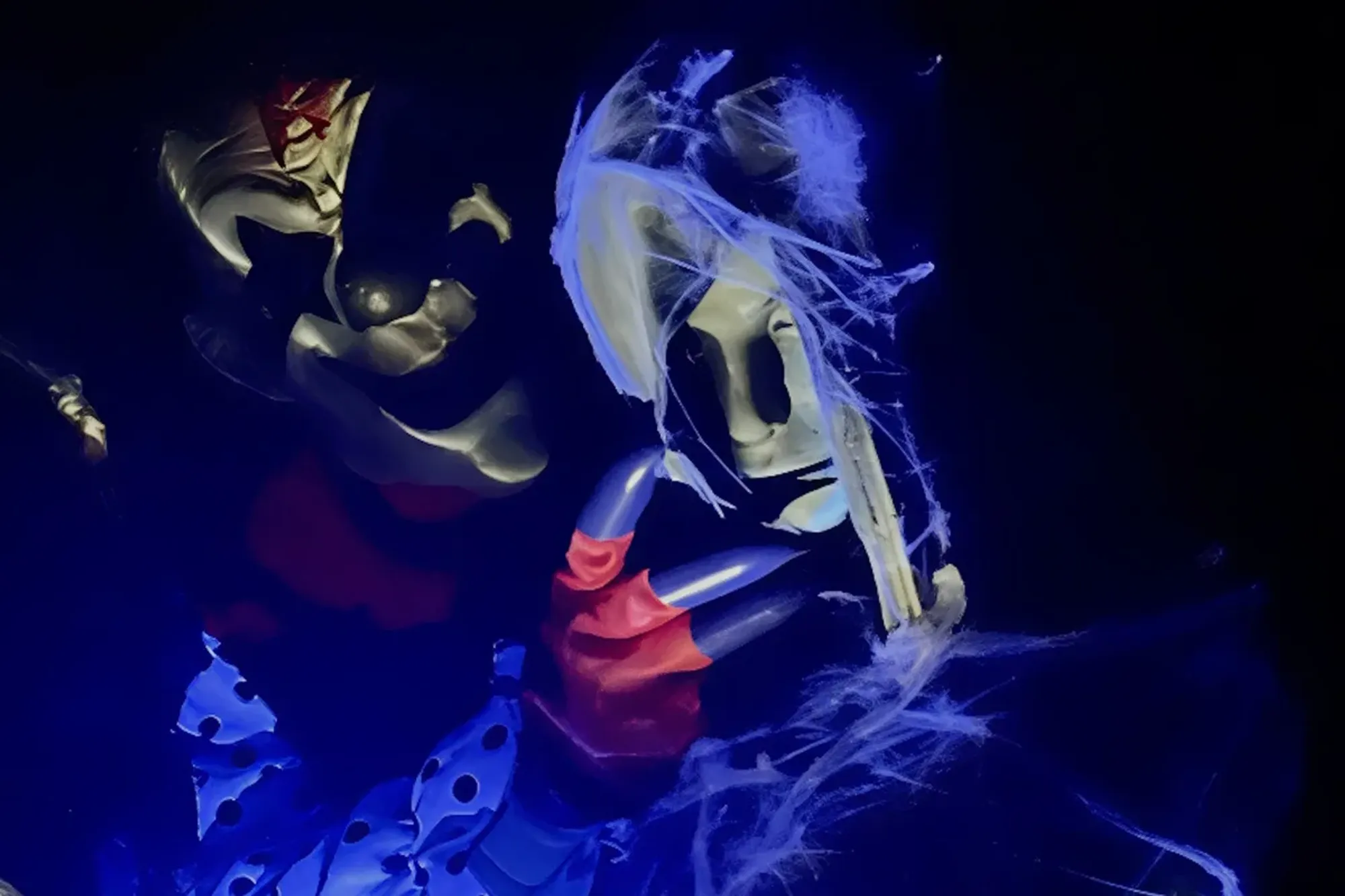
An American historian comes to the British countryside to work as a curator of a museum, where he accidentally discovers an ancient box, and along with it, releases an evil demon - clown Jack. After some time, he disappears and does not make contact. In his last message, he said that evil needs to be locked in the box. You are a brave team of seekers who set out to search for the historian. Age restrictions: 18+ (6+ (non-scary), 18+ (classic))
Important information and features of the escape room
Для подтверждения бронирования требуется предоплата в размере 1000 рублей.
Online booking
The owner of this escape room has not yet confirmed their details.
If you are the owner of this escape room, please confirm your details so that customers can see your contact information for bookings.Location
5 минут пешком от остановки «Соловьева», цокольный этаж жилого дома, вход со стороны дороги по улице Соловьева
Services are provided by ИП Головачева А.С.
Wardrobe
Waiting Area
AI Overview
AIMost praise the scary delivery, the sets, and the actors’ work, which keep the game tense. There are plenty of complaints too: organization and start timing misfire, light is lacking in places, and some tasks feel illogical. Difficulty is above average; without hints many stall, especially newbies and families with kids. The fear level is flexible, but the 6+ calibration doesn’t always work—some found it too much.
WeaknessesComplaints about illogical puzzles, poor visibility, and a lack of flashlights. There are delays and booking hiccups, and sometimes the finale feels rushed. There were grievances about the quality of interaction with the actor and the administrators’ work.
StrengthsStrong ambience, sound, and effects create a dense atmosphere. The performance is lively: the actor’s appearances are sudden, and contact adds drive.
SecurityThe performance is contact-based; it’s important to discuss rules and touch boundaries before the start; there was a complaint about an injury from an actor. From practice—ask for extra flashlights and clarify the fear mode to pass comfortably and safely.
Level of fearThe quest is genuinely scary even at the “medium” level. There’s a 6+ mode for kids, but reviews say it sometimes comes off too harsh—better to discuss the fear threshold in advance.
Actors' gameMany note the actors work powerfully: they appear suddenly, grab, and lead the game. But there’s negative too: somewhere the contact felt pointless, and one review reports a touch that caused injury—better to set boundaries in advance.
Quality of riddlesMixed impressions: some guests rate the puzzles highly, others call them illogical and “trial-and-error.” Hints are often needed, especially with weak lighting and hidden marks on locks. Visibility of key clues should be improved.
PlotA story about a box and a demon clown unfolds through the museum’s rooms and pushes you to search for a missing historian. The plot is clear, but for some the ending came unexpectedly.
Difficulty levelDifficulty from medium to high: without hints you can get stuck, and sometimes time isn’t enough. Teams without experience and families should take more hints and go as a group of 4–5 people.
Devil's Box4 - 14 people
Escape rooms in Perm by category
Pick a vibe — every category is a real page with reviews and booking.
Reviews