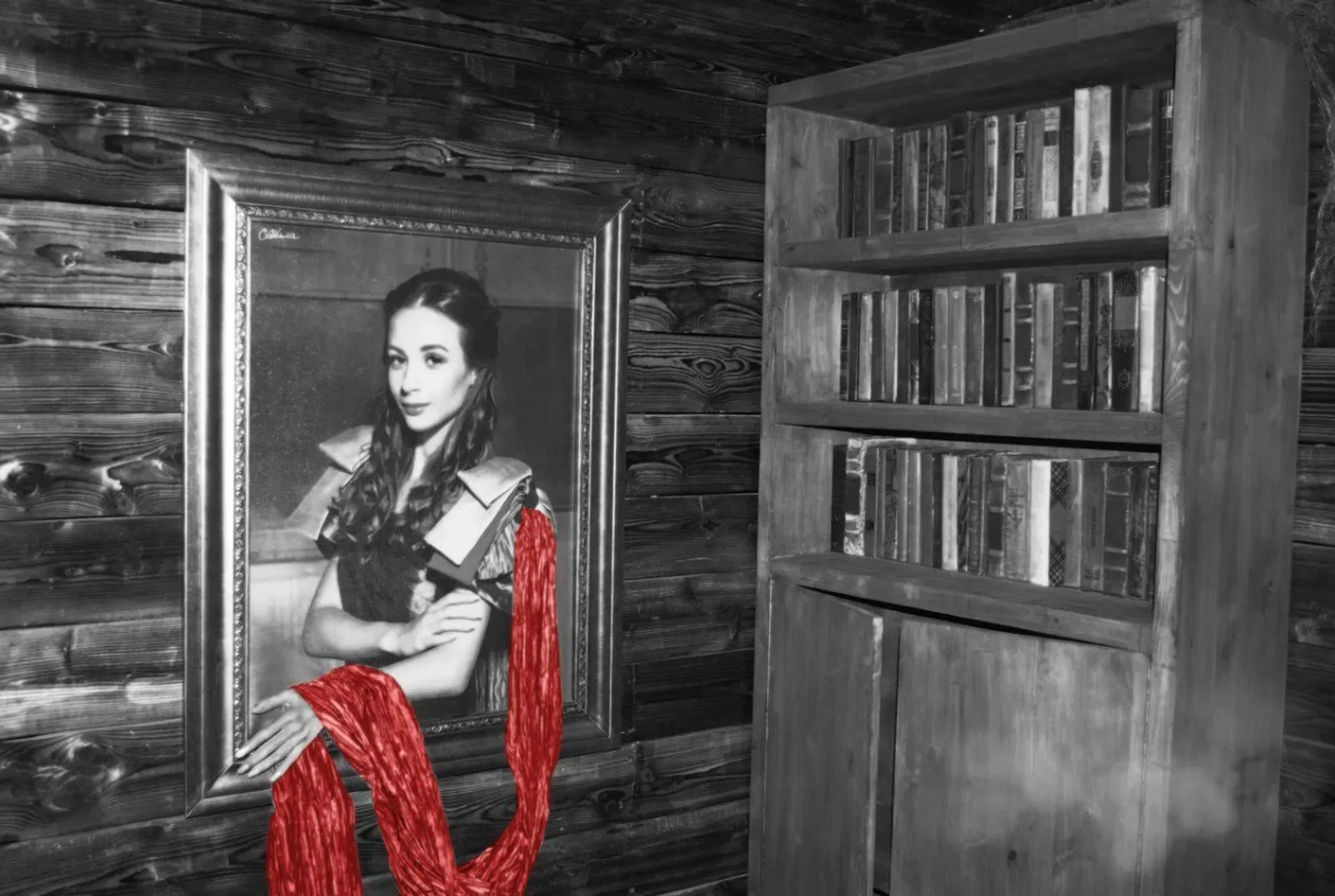
The Picture of Dorian Gray
- Instant booking
- 2–5Players
- 90 minutesTime
- Difficult. Dense puzzles. Better with some experience.Difficulty
- Not scary. Almost no tension.Scariness
You have been invited to Dorian Gray's mansion to celebrate Halloween. The host behaved strangely during dinner. The place where his magnificent portrait used to hang was empty, and the other guests never arrived. As soon as the host excused himself, someone remembered the dark rumors circulating about him. Overwhelmed with anxiety, you decided to find Dorian, say goodbye and leave the mansion. However, the host was missing, and all the doors were locked except for the door leading to the attic... Age restrictions: 14+ (from 10 years old accompanied by adults)
Фотографии игроков: организатор предоставляет возможность сфотографироваться на устройство игроков после игры.
Видео прохождения квеста: услуга не предоставляется.
Online booking
The owner of this escape room has not yet confirmed their details.
If you are the owner of this escape room, please confirm your details so that customers can see your contact information for bookings.Location
AI Overview
Other escape rooms at this location
Escape rooms in Perm by category
Pick a vibe — every category is a real page with reviews and booking.
Reviews