Escape room 12+
Minotaur's Labyrinth
- Verified
- Instant booking
- Live actors
- 2–14Players
- 60 minutesTime
- Easy. A few easy tasks. Good for a first visit.Difficulty
- A bit scary. Jump scares and dark scenes.Scariness
- from 3 200 руб.Price
About the escape room
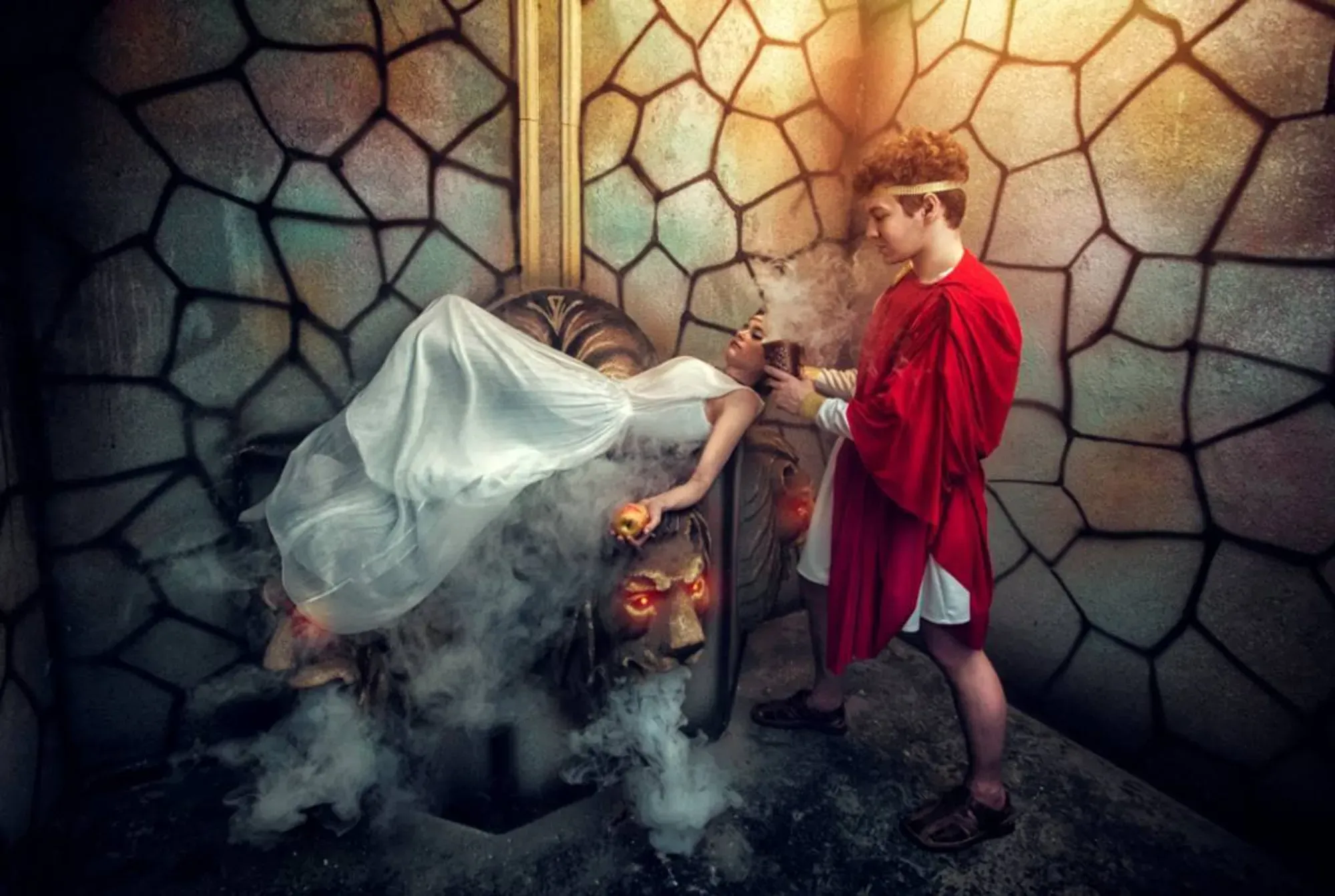
You are about to repeat the feat of real heroes: escape from the maze of a terrible monster with the body of a man and the head of a bull. Ancient Greek architects designed the maze so complex that no one could escape from it. The labyrinth constantly changes its location, the walls keep secrets. There is little time to think... The Minotaur is real and watches its victims...
Important information and features of the escape room
Доплата свыше 4 игроков - по 1000 руб. за человека.
Обязательна предоплата в размере 1000 руб. В случае отмены игры - предоплата не возвращается, при отмене за сутки и более - может быть перенесена на другую дату и игру. Уровень страха можно варьировать.
Online booking
Location
Центр города, рядом с гимназией № 1 (ближайшие остановки «Ул. Кирова», «Ул. 8-го Марта»)
Services are provided by ИП Беседин (560400516465)
Free Parking
Wifi
Wardrobe
Waiting Area
AI Overview
AIMost praise the scale and the location’s ‘liveliness’: corridors confuse, walls move, it’s easy to get lost. The actor’s performance tops many lists—hits the scares without contact and adapts to the team. Puzzles are mostly logical and medium difficulty, sometimes feel a bit simple amid all the running. Staff are attentive and caring: briefing, hints, fear modes, kids’ versions—this is mentioned often.
WeaknessesNarrow passages and claustrophobia can unsettle the sensitive. Some find puzzles few or simple, especially experienced players. Occasionally they note the actor’s appearance is predictable.
StrengthsStrong mythic atmosphere, high-level set design, and the feel of a real labyrinth. Great acting and attentive admins. Techy mechanics and a pleasant balance of fear and fun.
SecurityBefore the start, they brief you thoroughly; along the way you get voice hints or from the admin. No contact, adjustable fear level; they warn about narrow passages and you can always ask for help.
Level of fearScary and tense, but you can request a lighter mode or play without the actor altogether. There are adapted versions with a guide for kids—reviews say it works from ages 8–10.
Actors' gameThe actor works no-contact, appears unexpectedly and keeps the pace, yet easily lowers the intensity on request. Many note it’s more interesting with the actor, but you can go without.
Quality of riddlesThe puzzles are thematic, clear, and without ‘key-in-key’ nonsense, mostly medium or below-medium difficulty. Under pressure and in the running they feel tougher than they are. Mechanics are automated; doors and traps trigger cleanly.
PlotThe gist is to escape the mythical labyrinth and survive meeting the Minotaur. The maze ‘lives’, and the story gently leads to the finale without extra spoilers.
Difficulty levelTasks are a comfortable medium; newcomers will get enough hints. The biggest challenges are orientation and team coordination; the real hard lies in navigation.
Other escape rooms at this location
From 3 200 руб.2 - 14 people
Escape rooms in Orenburg by category
Pick a vibe — every category is a real page with reviews and booking.
Reviews