Escape room 18+
Psychiatric hospital
- 2–7Players
- 60 minutesTime
- Medium. Logic and teamwork. No special experience needed.Difficulty
- Not scary. Almost no tension.Scariness
About the escape room
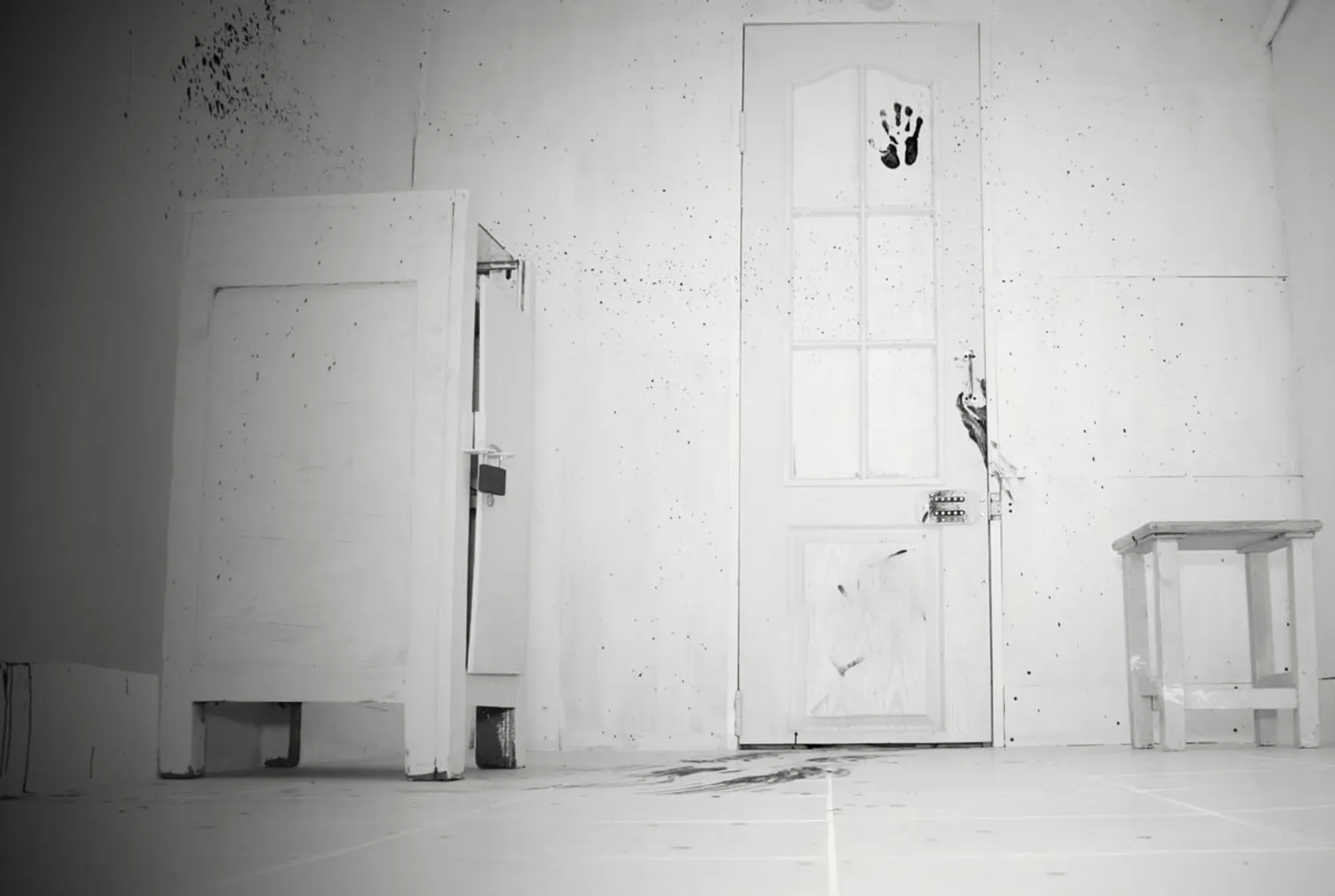
The plot of the quest unfolds in a psychiatric clinic where doctors conduct experiments on people. In special wards, patients are administered various substances and the reaction of the body to them is checked. In one of these rooms was a patient trying to escape, he mysteriously died. You need to understand his escape plan faster than you feel the effect of the administered drugs. The task is complicated: you start the game in a straitjacket.
Important information and features of the escape room
Фотографии игроков: организатор выкладывает в группу «ВКонтакте» или отправляет в сообщении.
Видео прохождения квеста: услуга не предоставляется.
The owner of this escape room has not yet confirmed their details.
If you are the owner of this escape room, please confirm your details so that customers can see your contact information for bookings.Location
вход со стороны гостиницы «Манго»
Services are provided by ИП Сазыкин С.А.
Free Parking
Wifi
Wardrobe
Waiting Area
AI Overview
AIMost often praised: realistic setting, strong actor work, and tight tension from start to finish. You can choose the fear level, so both friend groups and families feel comfortable. Puzzles are varied and at times not easy; many need hints. Occasionally they fault the organization: forgotten keys, a dead radio, delays, and booking mix-ups.
WeaknessesPeriodic organizational glitches: lateness, a closed location despite a booking, nonworking comms or forgotten items. Some found it too harsh — better discuss boundaries and fear level in advance.
StrengthsThe psych clinic atmosphere and sets are highly convincing, immersion is maximal. Actors work subtly and at the right moments, lots of emotion, adrenaline with purpose.
SecurityBefore the start there’s a briefing and you choose fear and contact levels — state your limits if you don’t want harsh effects. Occasionally there are complaints about delays and comms; better clarify the rules and schedule in advance.
Level of fearTruly scary, especially with an actor and at level 3 — the faint-hearted should go lighter. For kids and newbies there are lighter settings; actors can go gentle.
Actors' gameActors are praised almost unanimously: they scare unexpectedly, keep the rhythm, and don’t overdo it. Staff are usually friendly and engaging, but in rare shifts the game was criticized.
Quality of riddlesPuzzles are logical and diverse, sometimes tough but fair — hints help. At times progress stalled because of forgotten keys or tech, which breaks the tempo. Starting in a straitjacket adds a focus-and-coordination feel.
PlotYou are patients in a clinic with experiments, trying to repeat the escape plan before the drugs kick in. Starting in a straitjacket adds drive and urgency.
Difficulty levelDifficulty is medium and above: teams without experience struggle in places, but with hints it’s passable. It’s optimal to begin at levels 1–2; experienced players will enjoy the maximum.
Other escape rooms at this location
Psychiatric hospital2 - 7 people
Escape rooms in Novokuznetsk by category
Pick a vibe — every category is a real page with reviews and booking.
Reviews