Performance 18+
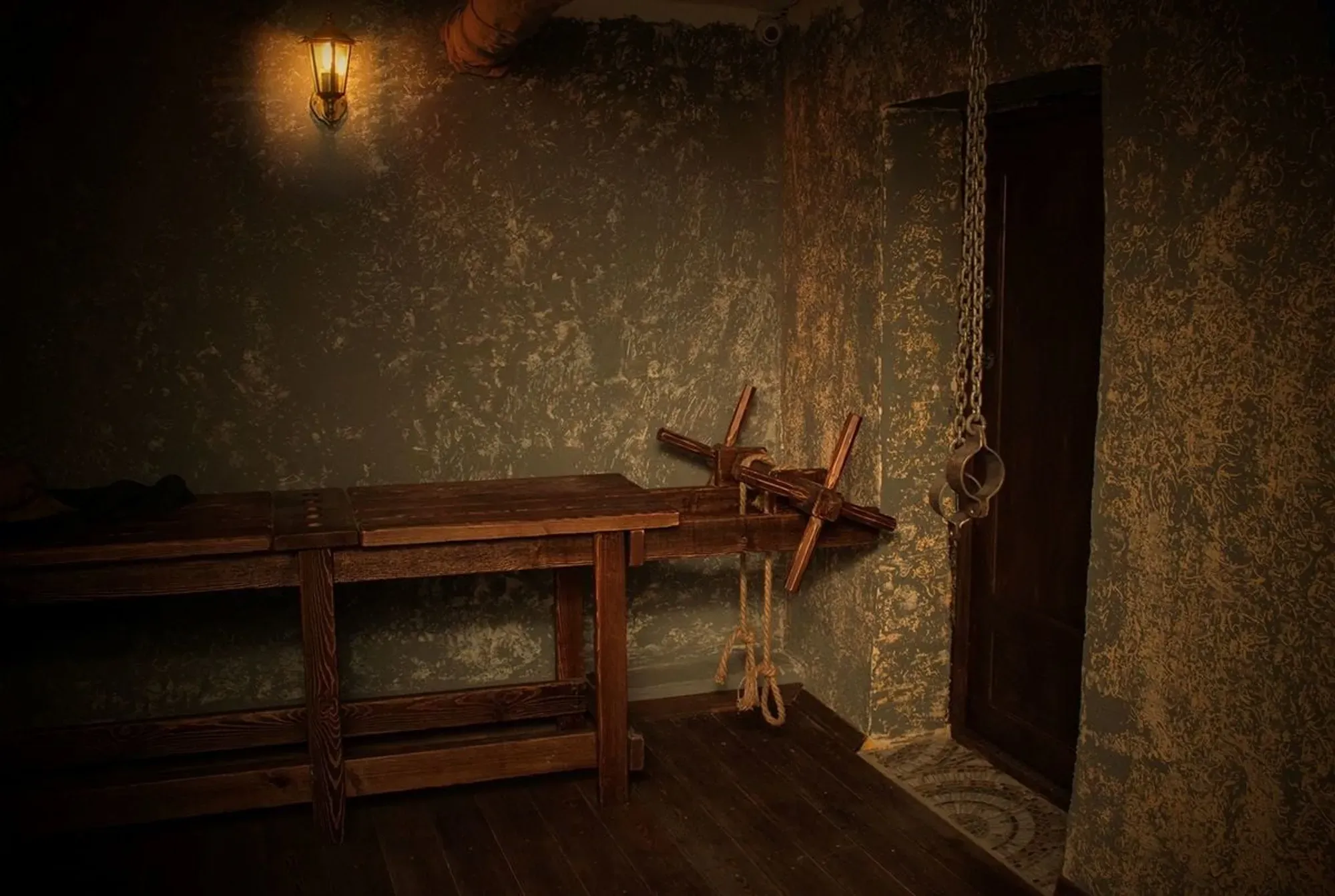
Torture Palace
- Live actors
- 2–8Players
- 60 minutesTime
- Medium. Logic and teamwork. No special experience needed.Difficulty
- Scary. Actors, sudden appearances, psychological pressure.Scariness
About the escape room
A series of violent burglaries occurred in the city, many leading to fatalities. The suspects were found dead near one of the houses. The city police asked for your assistance in finding the person who dealt with the suspects. You went to this house and got locked in.
Important information and features of the escape room
Фотографии игроков: организатор выкладывает в группу «ВКонтакте» или отправляет в сообщении.
Видео прохождения квеста: услуга не предоставляется.
The owner of this escape room has not yet confirmed their details.
If you are the owner of this escape room, please confirm your details so that customers can see your contact information for bookings.Location
вход со стороны гостиницы «Манго»
Services are provided by ИП Сазыкин С.А.
Free Parking
Wifi
Wardrobe
Waiting Area
AI Overview
AIOpinions are polarized: some guests are thrilled by the immersion and actors, others complain about organizational slip-ups. A noisy radio, one flashlight per team, and samey combination locks are mentioned often. For some, the story and setting are a strong side; for others, undercooked and weakly tied to the puzzles. There were complaints about safety and staff conduct after the game.
WeaknessesRepetitive code locks, darkness without proper lighting, and noisy comms often spoil the impression. There were organizational mistakes: forgotten keys, confusion about rules, sparse rooms, and rare appearances by the performer. The price seems inflated for some teams.
StrengthsThe grim atmosphere, music, and sense of presence keep you on edge. The emotions hit for many, especially at birthdays and with newbie groups; the actors sometimes carry the whole drive.
SecurityWorrying reports were noted: a stun gun among props, a shove at the exit, furniture in the way, and no first aid. Darkness and a single flashlight complicate visibility — ask in advance about contact, lighting, and rules to feel calmer.
Level of fearScary from moderate to very, with darkness, sudden moments, and contact elements. Teens enjoyed it, but it can be tough for the sensitive and small children — better with supervision and agreed boundaries.
Actors' gameReviews range from 'awesome, the maniac is terrifying' to 'rarely came out and the interaction logic jumped.' There were cases of changing costume in front of players and discussing slip-ups aloud, and the contact is sometimes rough — clarify the rules in advance.
Quality of riddlesPuzzles are mostly about codes and searching, variety is low, difficulty jumps from easy to medium. Hints are given over radio, but the connection sometimes crackles, which wastes time. Experienced players may miss logical depth.
PlotThe setup is about a series of attacks and tracking down the perpetrator; you're locked in a house and get out by following the traces. The plot's coherence with the tasks depends heavily on the host; some found it underdeveloped.
Difficulty levelDifficulty ranges from easy to medium; newcomers pass with hints and are satisfied. Hardcore teams may find it simple because of samey locks and darkness that hinders more than it meaningfully challenges.
Other escape rooms at this location
Torture Palace2 - 8 people
Escape rooms in Novokuznetsk by category
Pick a vibe — every category is a real page with reviews and booking.
Reviews