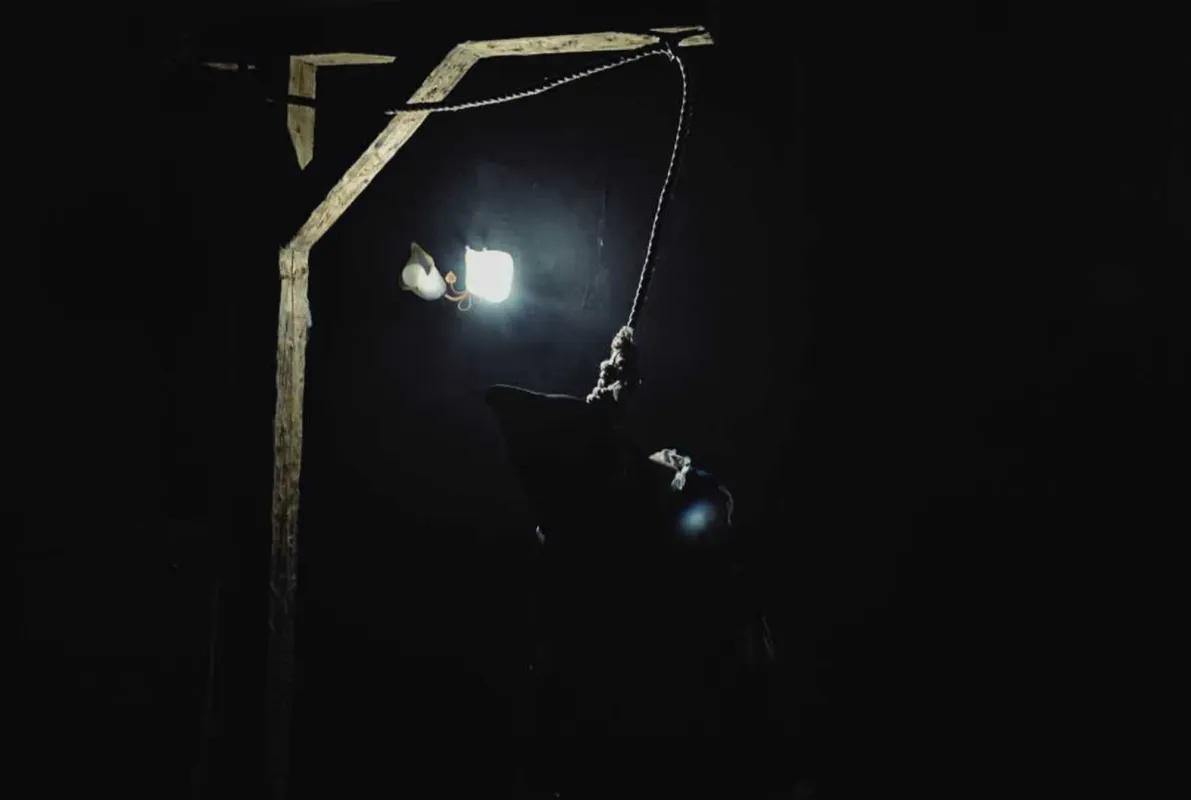
Mansion Mystery 2.0
On the outskirts of the city, there is an old abandoned mansion that few know about... And those who do know a little, only by hearsay, and even that they try not to mention... Sometimes at night, the city's inhabitants see a strange glow from this mansion, and sometimes a black silhouette in a hat can be seen in the window... They say it's the master of the mansion, who lost his wife. He made a deal with the unclean force... And since then, he's been cursed...
What really happens within the walls of this mansion, you're about to find out, because otherwise, you'll stay there forever, imprisoned with the secrets of these walls...
Требуется предоплата на все сеансы в размере 1000 рублей. При отмене менее чем за 48 часов до игры предоплата не возвращается.
The owner of this escape room has not yet confirmed their details.
If you are the owner of this escape room, please confirm your details so that customers can see your contact information for bookings.Location
AI Overview
Other escape rooms at this location
Escape rooms in Yekaterinburg by category
Pick a vibe — every category is a real page with reviews and booking.
Reviews