Soviet horror history
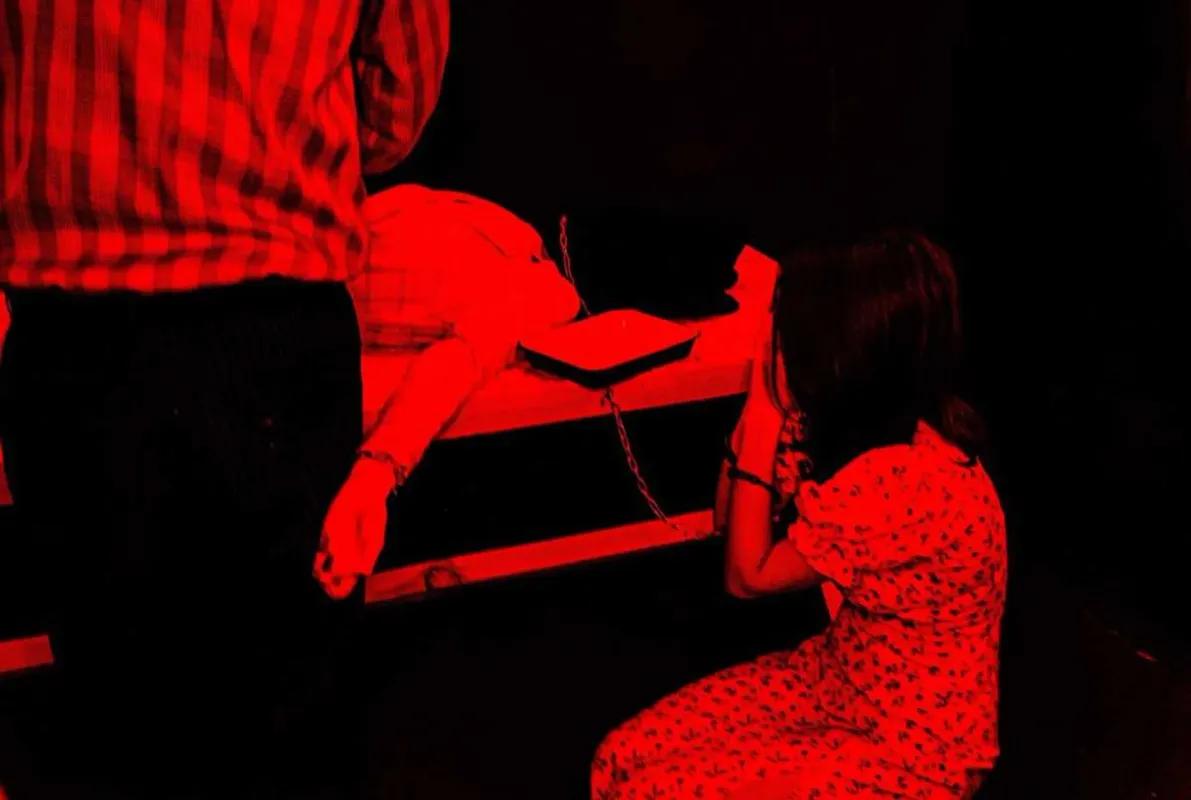
For half a year now, a series of disappearances of people has been rampant in the city. Just this month, over 30 people have gone missing. The authorities are doing everything possible to calm their citizens and ask them not to succumb to panic. The police are doing everything to find any lead or clue, but so far, they haven't found anything in common among the missing. People of various genders, students and adults, and even entire families with children are disappearing... What could unify them, what common purpose pursued? Alas, so far, more questions than answers...
Требуется предоплата на все сеансы в размере 1000 рублей. При отмене менее чем за 48 часов до игры предоплата не возвращается.
The owner of this escape room has not yet confirmed their details.
If you are the owner of this escape room, please confirm your details so that customers can see your contact information for bookings.Location
AI Overview
Other escape rooms at this location
Escape rooms in Yekaterinburg by category
Pick a vibe — every category is a real page with reviews and booking.
Reviews