Performance 12+
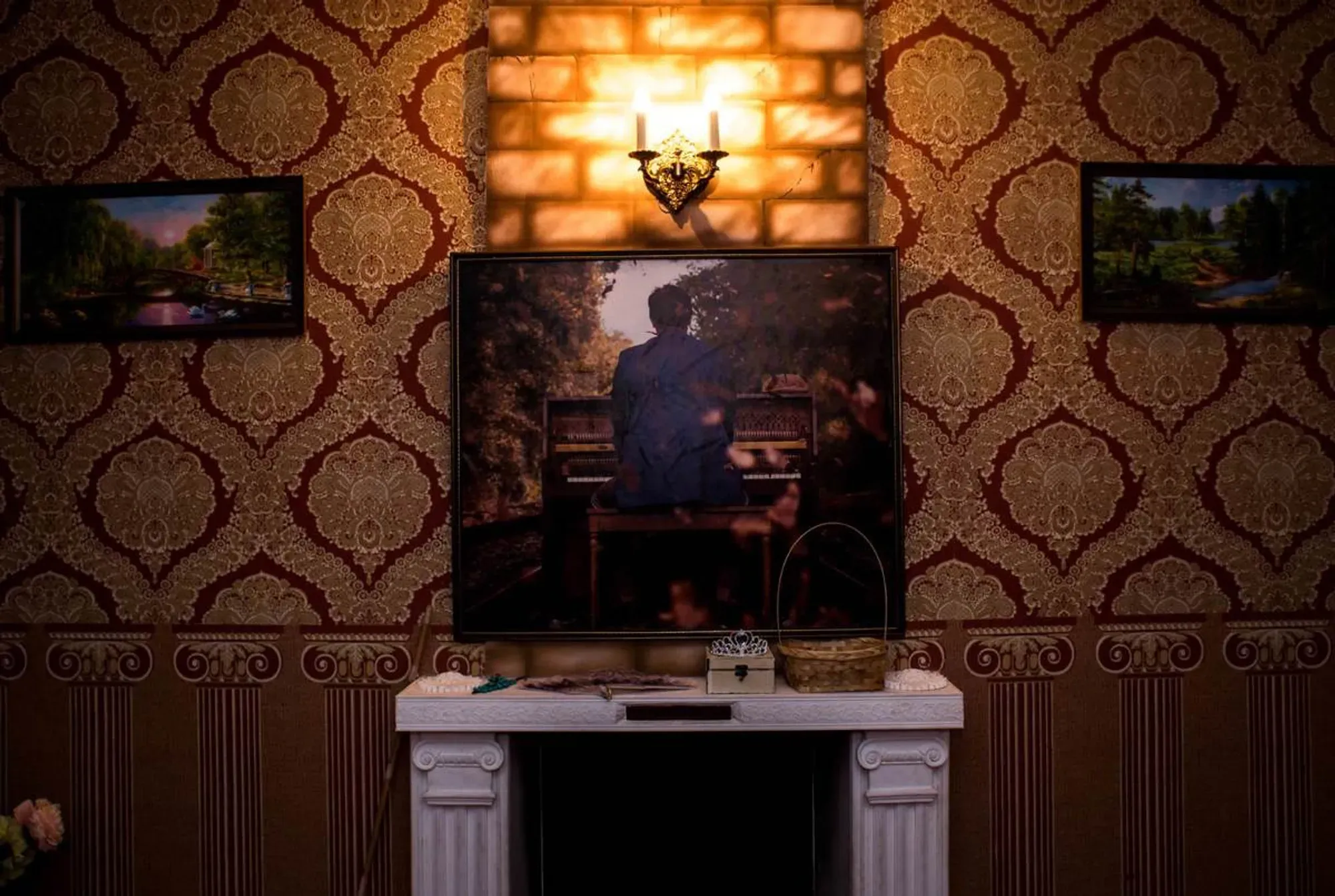
Pianist
- Live actors
- 2–10Players
- 60 minutesTime
- Difficult. Dense puzzles. Better with some experience.Difficulty
- A bit scary. Jump scares and dark scenes.Scariness
About the escape room
The city was engulfed by sinister events. One by one, young girls began to disappear. You are a valiant police squad. You have many challenging operations behind you, but even you did not expect such a turn of events...
Important information and features of the escape room
Требуется предоплата в размере 1000 рублей. При отмене бронирования менее чем за 24 часа предоплата не возвращается. Бронь можно перенести.
The owner of this escape room has not yet confirmed their details.
If you are the owner of this escape room, please confirm your details so that customers can see your contact information for bookings.Location
2 минуты пешком от остановки «ТЦ «Восточный», код домофона – 1
Services are provided by ООО Другая реальность
Free Parking
Wardrobe
Waiting Area
AI Overview
AIMost often people praise the ambience, sound, and the actors’ work; fear is adjustable on request, many choose the no‑contact version. Great for newcomers; experienced players sometimes complain about too few puzzles or shaky logic in the first room. The team is flexible and attentive: they tune the scare level, handle kids carefully, and help with timely hints. On the minus side, darkness, stuffiness, occasional prop glitches, and safety questions in certain spots come up.
WeaknessesAt times cramped, dark, and stuffy; there are sharp edges and hanging fixtures — you can bump into them. Occasional complaints about rare mechanism failures and dim props. Some find there are too few rooms and puzzles; sometimes the actor appears less than expected or, conversely, comes out despite a request to play without them.
StrengthsStrong atmosphere with music and lighting, immersion almost from the threshold. Actors and administrators are caring, flex the fear level, and help without being pushy. The story leans into mysticism and keeps the tension up to the finale.
SecurityBefore the start you get a clear briefing; they monitor via cameras and quickly escort out those who are too scared if needed. That said, there are complaints about dangerous protrusions and hanging elements in the dark and tight passages — be careful and don’t rush headlong.
Level of fearScary even without contact: many scream and end up asking to remove the actor mid‑game. For kids 10–12 it can be tough — better for older teens or ask for a soft mode right away.
Actors' gameActors often get tens out of ten: they scare on cue, without rough contact, and can defuse the situation with children. There are one‑off slips — rare appearances or ignoring the request to switch the actor off — but overall the team is responsive.
Quality of riddlesPuzzles are mostly mid‑level; comfortable for beginners. In the rush and the dark some tasks feel illogical. Some note a small number of puzzles in the second half. Hints are available, but don’t hesitate to ask — mechanics in the dark can be confusing.
PlotA plot about disappearances and a grim musician smoothly shifts from detective to the mystical. The story unfolds as you progress and the fear ramps up — without extra spoilers.
Difficulty levelOptimal for newcomers and groups with teens; seasoned quest fans may miss the number of tasks. Darkness and tension raise the perceived difficulty, so without hints it can be tight.
Other escape rooms at this location
Pianist2 - 10 people
Escape rooms in Yekaterinburg by category
Pick a vibe — every category is a real page with reviews and booking.
Reviews