Performance 18+
Creature
- Live actors
- 2–8Players
- 60 minutesTime
- Medium. Logic and teamwork. No special experience needed.Difficulty
- Scary. Actors, sudden appearances, psychological pressure.Scariness
About the escape room
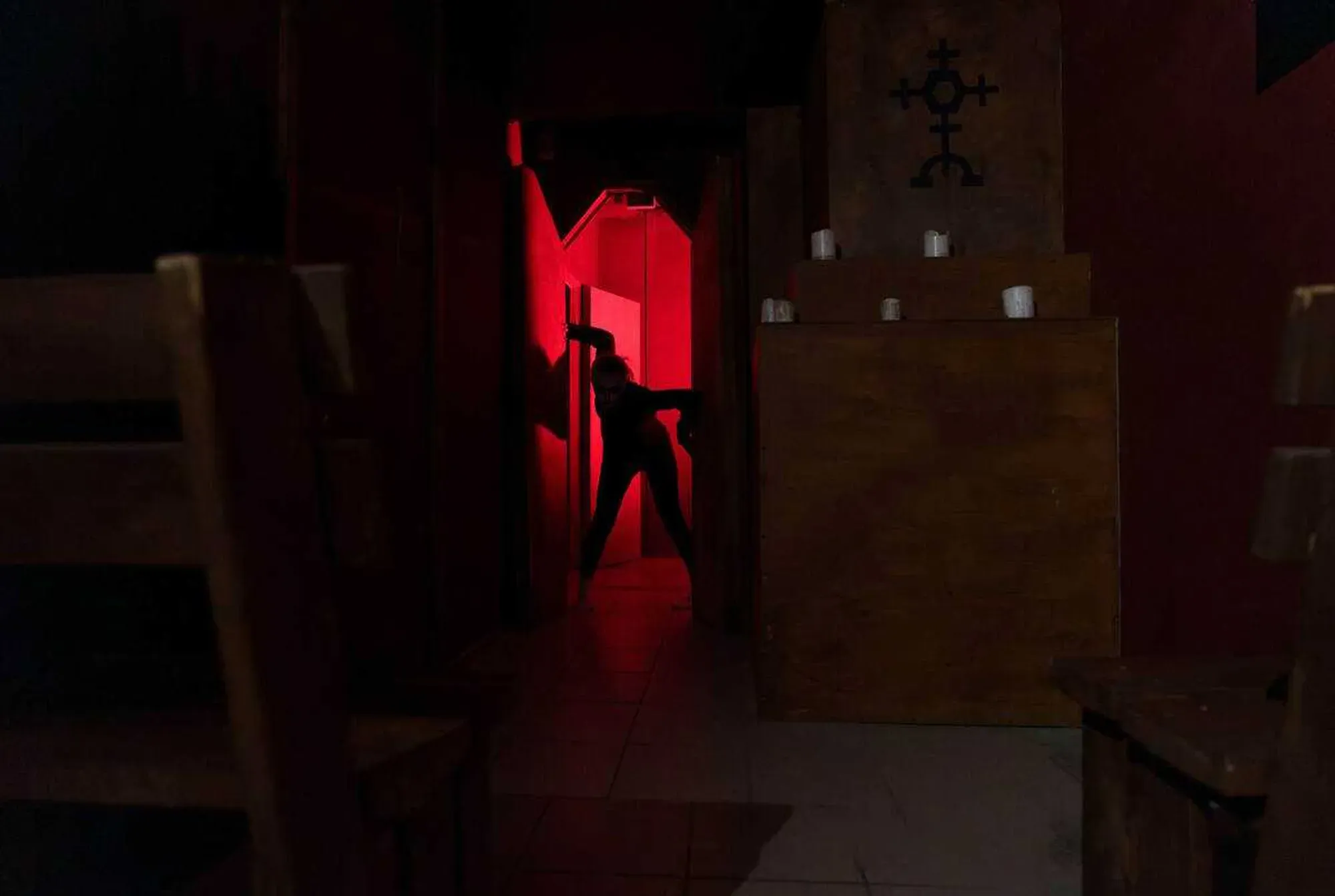
Be ready to face a terrible nightmare. The creature is one of those beings that society has decided to forget. His relatives have abandoned him, doctors have given up, and psychiatry has admitted its powerlessness. It seemed that his mind was destroyed, and only the old priest serving in the hospital chapel dared to reach out to help him. But even the old man was powerless, this creature was burning in fire...
Important information and features of the escape room
Для бронирования квеста необходимо внести предоплату, на сеансы до 22:00 – 500 рублей, после 22:00 – 1000 рублей.
The owner of this escape room has not yet confirmed their details.
If you are the owner of this escape room, please confirm your details so that customers can see your contact information for bookings.Location
290 метров от остановки «Цирк», рядом учебный центр, цокольный этаж
Services are provided by ИП Тлеубаев Ж.С.
Free Parking
Wifi
Wardrobe
Waiting Area
AI Overview
AIMost often people praise the setting, acting, and constant tension; many liked the team‑split gimmick and the padded room. With actors, the quest is noticeably more vivid and scarier. The puzzles are moderately challenging and logical, but feel harder under fear. Occasionally there are notes about overly dark and loud moments, rare organizational hiccups, and a lack of interaction even with more actors.
WeaknessesSometimes the fear level isn’t tuned to the team, causing players to freeze up and lose pace. Complaints crop up about darkness, volume, and occasional logistical or technical glitches. It happens that even with multiple actors there’s still too little interaction, and one group found their session short.
StrengthsStrong performances and atmospheric hospital sets create dense immersion. Jump scares are well placed, and the puzzles are well thought out and solvable without endless hints. Adrenaline and emotions are the main bonus once you step out.
SecurityThere’s a briefing before the start; the admin stays in touch and prompts if needed. Contact and splitting are present, so voice your boundaries in advance, as there are occasional complaints about roughness and noise.
Level of fearVery scary, with contact moments and frequent actor appearances — not suitable for the sensitive or for children. It’s better to discuss boundaries and desired intensity in advance.
Actors' gameActors keep you on edge from the first minutes, varying contact from gentle to firm; the actress’s work is praised especially often. Interaction is usually active, but sometimes people complain it wasn’t enough or wasn’t adapted to the team.
Quality of riddlesPuzzles are varied, logical, and overall fair; fear and splitting up make them harder, but the sense of reward is higher. Most can be solved without hints, though you can get stuck at times. Technical snags are rarely noted, and there are no critical dead ends.
PlotThe legend of a “creature” abandoned by everyone and an old priest’s attempt to save its soul gradually unfolds through the locations and the actors’ actions. The story is delivered without spoilers, in the spirit of a grim hospital.
Difficulty levelMedium difficulty: newcomers are comfortable with occasional hints, and experienced players won’t be bored thanks to the pace and fear. Best with four players; more can get cramped and noisy.
Other escape rooms at this location
Creature2 - 8 people
Escape rooms in Chelyabinsk by category
Pick a vibe — every category is a real page with reviews and booking.
Reviews