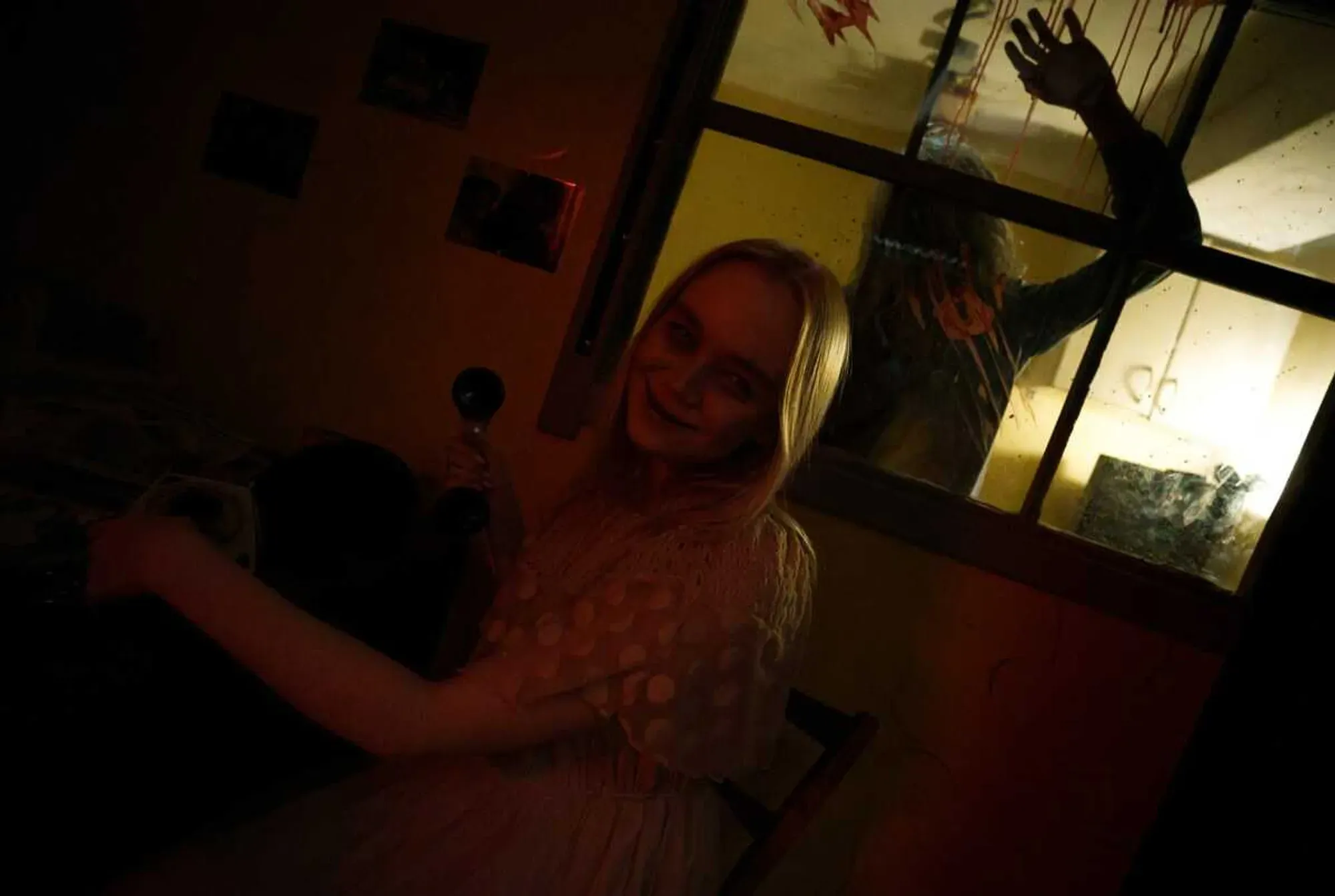
Performance 18+
Apartment for rent
- Live actors
- 2–6Players
- 60 minutesTime
- Above average. More puzzles and a faster pace. Tight for beginners.Difficulty
- Scary. Actors, sudden appearances, psychological pressure.Scariness
About the escape room
You've decided to rent an apartment at a strangely low price. No, don't get me wrong, this is almost a regular apartment that needs to be rented out urgently.
They are already waiting for you there, but when you come, try not to make noise, otherwise you will become part of the stories waiting for their time…
Important information and features of the escape room
Для бронирования квеста необходимо внести предоплату, на сеансы до 22:00 – 500 рублей, после 22:00 – 1000 рублей.
The owner of this escape room has not yet confirmed their details.
If you are the owner of this escape room, please confirm your details so that customers can see your contact information for bookings.Location
290 метров от остановки «Цирк», рядом учебный центр, цокольный этаж
Services are provided by ИП Тлеубаев Ж.С.
Free Parking
Wifi
Wardrobe
Waiting Area
AI Overview
AIMost often praised are the actors, the set, and the puzzle logic; many note everything works and leads to solutions. Fear level varies widely: from “very scary” to “expected more,” depending a lot on the chosen contact level and the specific cast. There are complaints about organization—delays, seeing actors before the start, phone-based hints, and an occasionally smudged finale. A separate pain point is contact boundaries: some found it careful and well-judged, others felt it was rough and not as agreed.
WeaknessesOrganization sometimes limps: waiting before start, a dry briefing, phone hints yank you out of the mood, and the finale can be bland. Complaints include not honoring the agreed contact level and uncomfortable props like stuffy hoods. Rarely, you’ll see “not scary” or “illogical.”
StrengthsA realistic apartment set and well-thought-out locations create solid immersion. Actors are often noted as strong and flexible in interaction, with fitting bits of humor. Puzzles are mostly logical, mechanisms work, and there are physical elements.
SecurityThere’s a briefing beforehand and contact levels to choose from, but adherence to boundaries varies by reports, so confirm your comfort level in advance. Physical elements are present; props like hoods may be uncomfortable.
Level of fearFear ranges from moderate to high, depending on the chosen level and the cast. Not for kids, 18+ format; at times there’s rough contact.
Actors' gameMost guests highlight strong acting and close interaction, from gentle touches to holds and individual tasks. Some rotations feel “peaceful,” others overly rough, so it’s key to set boundaries in advance.
Quality of riddlesPuzzles are mainly fair and varied, with clear logic and reliable mechanisms. Hints, when needed, are given precisely, but the phone line can break immersion. A few players note illogic or a muddied ending, though that’s more the exception.
PlotThe story revolves around a suspiciously cheap apartment and the histories that come alive in it, without extra spoilers. The arc is generally readable, but the finale doesn’t land for everyone.
Difficulty levelMedium difficulty: puzzle fans will have things to do, and newcomers will get help. Teams without experience should take hints and not hesitate to ask for nudges.
Other escape rooms at this location
Apartment for rent2 - 6 people
Escape rooms in Chelyabinsk by category
Pick a vibe — every category is a real page with reviews and booking.
Reviews