Performance 18+
Psychiatric Hospital № 13
- Live actors
- 2–8Players
- 60 minutesTime
- Medium. Logic and teamwork. No special experience needed.Difficulty
- Scary. Actors, sudden appearances, psychological pressure.Scariness
About the escape room
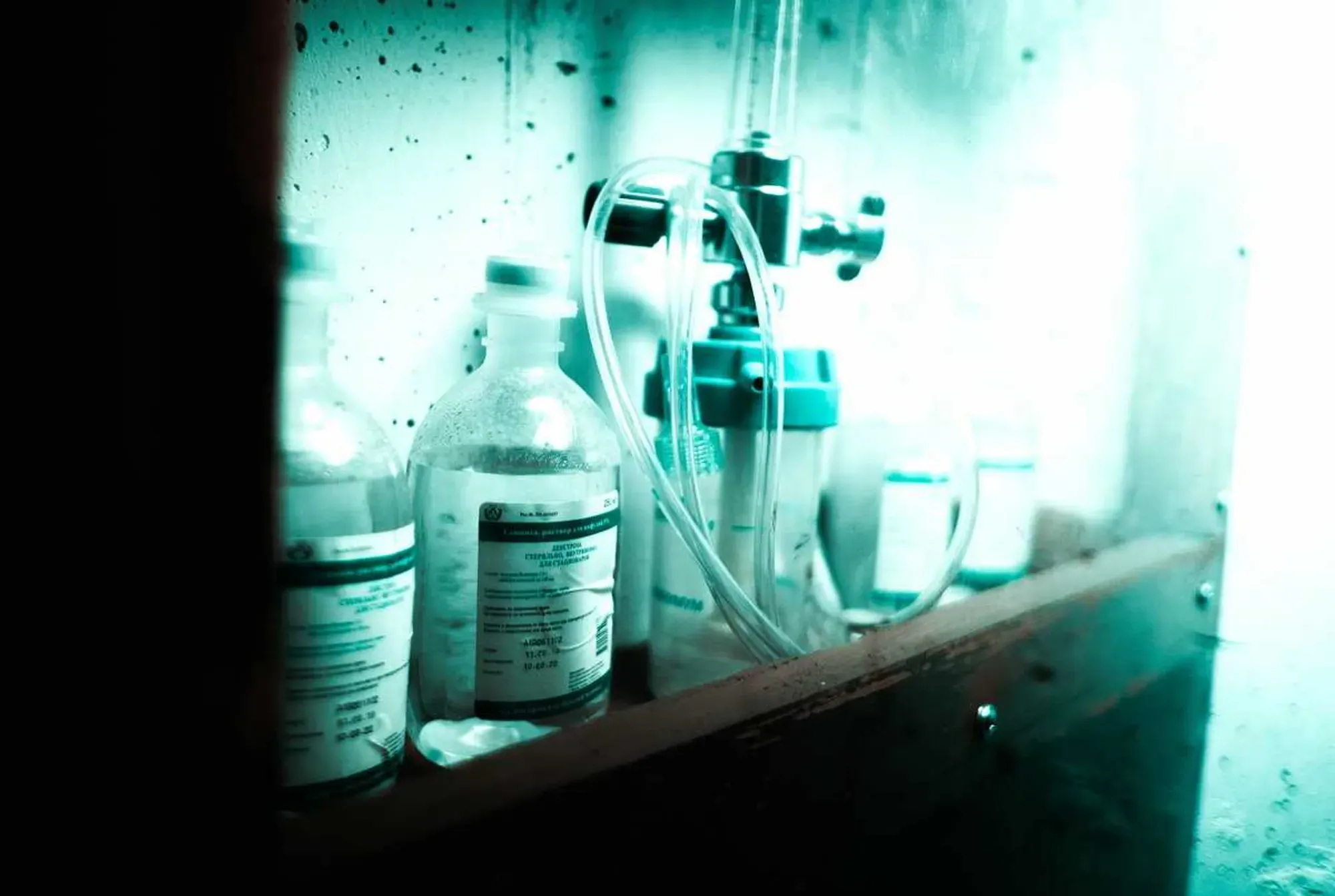
You, a group of student psychiatrists, are heading to an abandoned psychiatric hospital for mentally ill criminals suffering from rare forms of schizophrenia.
Your task is to find evidence of unscientific experiments being conducted on the patients. However, it turns out that one of the patients is still alive and extremely unwelcome to guests.
Hurry up to get out of here, or you risk becoming patients of psychiatric hospital number 13 yourself!
Important information and features of the escape room
Для бронирования квеста необходимо внести предоплату, на сеансы до 22:00 – 500 рублей, после 22:00 – 1000 рублей.
The owner of this escape room has not yet confirmed their details.
If you are the owner of this escape room, please confirm your details so that customers can see your contact information for bookings.Location
Остановка «8-й микрорайон»
Services are provided by ИП Тлеубаев Ж.С.
AI Overview
AIMost praise the actors and atmosphere; many suggest booking two — it gets noticeably scarier and more dynamic. The level of contact is discussed in advance, but there are complaints about roughness and heavy-handed interactions. Puzzles are often called 'moderately difficult,' though some guests would like more of them, others — simpler and without glitches. Negatives are more often about cramped spaces with large groups, stuffiness, and the fact that by the end it becomes more fun than scary.
WeaknessesRooms feel tight for 5–6 people; it can get stuffy. Contact on the harsher levels felt unpleasant and at times rough to some. Puzzles sometimes feel scant, sometimes a bit raw or buggy.
StrengthsActing is top-notch: distinct characters, improvisation, and well-timed humor keep you on edge. Set design and sound build a convincing abandoned psych hospital vibe. Contact and fear level are flexibly tuned to the team.
SecurityBriefing is clear, contact level is discussed in advance, staff are attentive. That said, some guests noted roughness on the hard levels — it’s worth clearly agreeing on boundaries and comfort.
Level of fearScary ranges from moderate to very, especially with two actors and close contact. The impressionable and newcomers should pick a soft level and go in a small team.
Actors' gameActors are the main draw: lively, hands-on, they scare but can defuse the tension. Often advised to take two — you get more interaction and dynamism, but make sure to agree on contact intensity.
Quality of riddlesFeels like medium difficulty: logical, sometimes with hints, but there aren’t many and the action often distracts. Some teams complained about overly convoluted tasks or mechanical glitches. Puzzle-head veterans may find them lacking; for beginners — just right.
PlotA story about experiments and a surviving patient is felt throughout and helps maintain tension. The plot is there, but the focus is on immersion and performance.
Difficulty levelPuzzles sit at a mid bar; a mixed-experience team will cope. Those who love to really 'think' may find too few tasks, and large groups will feel cramped and have a harder time coordinating.
Other escape rooms at this location
Psychiatric Hospital № 132 - 8 people
Escape rooms in Chelyabinsk by category
Pick a vibe — every category is a real page with reviews and booking.
Reviews