Escape room 18+
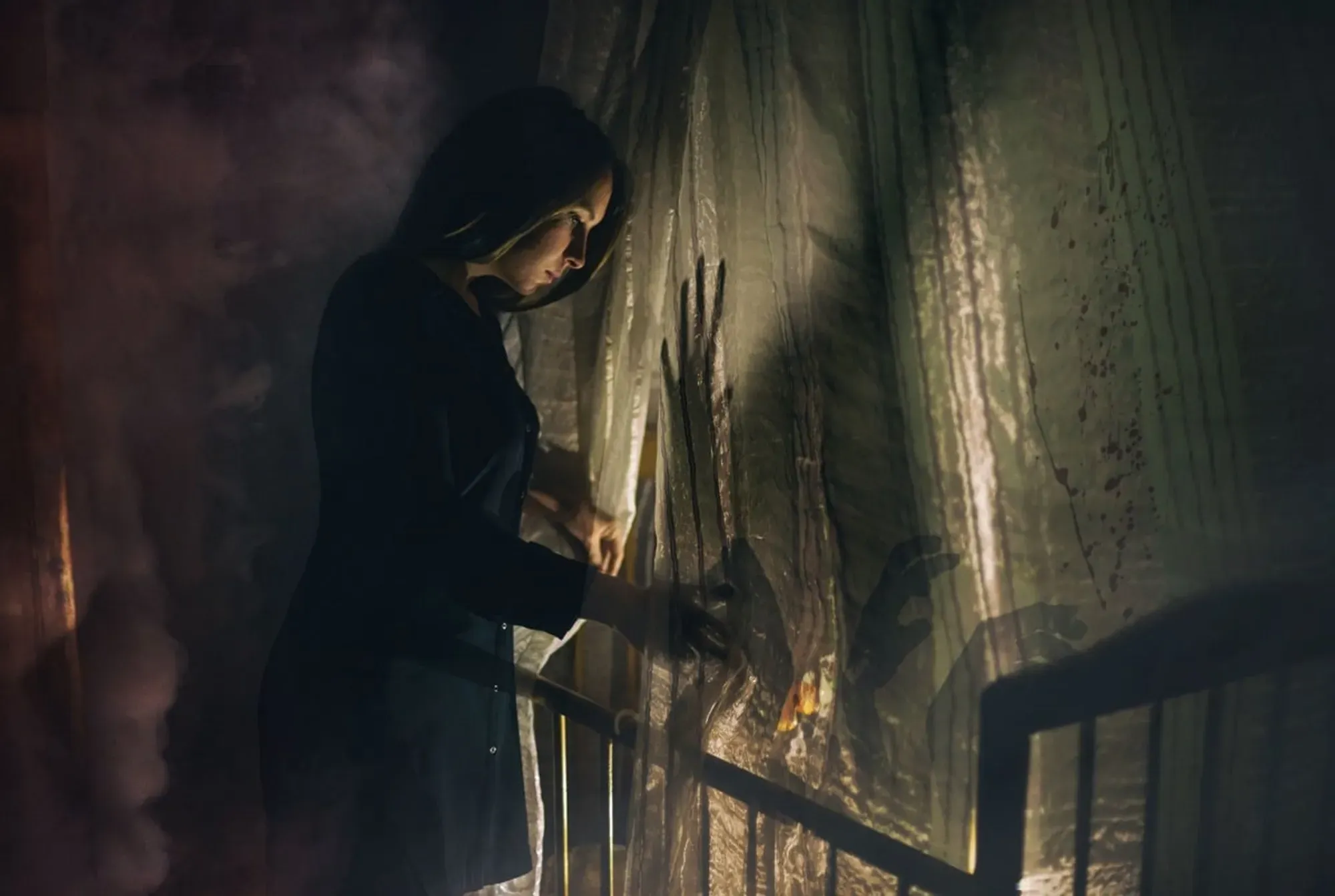
Astral
- 2–6Players
- 60 minutesTime
- Medium. Logic and teamwork. No special experience needed.Difficulty
- Scary. Actors, sudden appearances, psychological pressure.Scariness
About the escape room
The human subconscious is most afraid of what it believes in but does not see, often painting even more terrifying images in the mind.
Will you have the courage to embark on a dangerous and exciting astral adventure, and leave the afterworld before it takes hold of you?
Gather your team and show what you're capable of!
Important information and features of the escape room
Для подтверждения бронирования требуется предоплата в размере 1000 рублей.
The owner of this escape room has not yet confirmed their details.
If you are the owner of this escape room, please confirm your details so that customers can see your contact information for bookings.Location
Services are provided by ООО "Реалити-Квесты"
Free Parking
Waiting Area
AI Overview
AIMost often they praise the atmosphere and the actors; with them it’s noticeably scarier and more dynamic, but even without an actor the quest keeps you on edge. The venue is small, at times cramped, so teams of 3–5 feel more comfortable, and the game flies by. Puzzles are mostly mid‑difficulty and logical, though there aren’t many and sometimes they feel a bit simple. Occasionally people complain about weak actor interaction or tired décor.
WeaknessesThere aren’t many rooms, and with a large group it can feel cramped, making the quest feel short. Some décor begs for an upgrade, hints are sometimes too direct. There are rare sessions with a passive actor or an overdoing of physical contact; the final photo zone doesn’t always impress.
StrengthsStrong abandoned‑house atmosphere and solid suspense from the first minutes. Actor appearances trigger screams and laughter at once; organization and hosts are attentive. Puzzles are clear and on‑theme, and transitions between rooms are a delight.
SecurityBefore the start you get a clear briefing; contact with the actor is selectable — you can go softer or tougher. In the dark and narrow passages it’s better not to sprint and to listen to the host to avoid extra bruises.
Level of fearGenuinely scary; with an actor the fear level is higher and holds till the end. Teens 14–15 enjoy it, but it’s better to agree on contact and intensity in advance.
Actors' gameMost guests are delighted: the actor senses the pace, can heat things up and defuse them. Rarely you get either a too cautious or, on the contrary, overly forceful performance — the level of contact should be discussed.
Quality of riddlesThere aren’t many puzzles, but they’re logical and without nasty trickery; in the dark and under pressure of fear they’re more engaging to solve. Experienced players may miss depth, some tasks feel fragmented. Overall, the puzzle‑to‑horror balance is successful.
PlotThe story about the astral and an otherworldly house is delivered straight, without extra chatter, and it immerses you quickly. The plot frame is simple but serves fear and drive.
Difficulty levelIn terms of tasks, difficulty is closer to medium: newcomers are comfortable, veterans will breeze through, but they’ll get enough scares. Optimal group size is three to five; otherwise it can be tight and noisy.
Other escape rooms at this location
Astral2 - 6 people
Escape rooms in Barnaul by category
Pick a vibe — every category is a real page with reviews and booking.
Reviews