Escape room 14+
Z.L.O.
- 2–5Players
- 60 minutesTime
- Medium. Logic and teamwork. No special experience needed.Difficulty
- A bit scary. Jump scares and dark scenes.Scariness
About the escape room
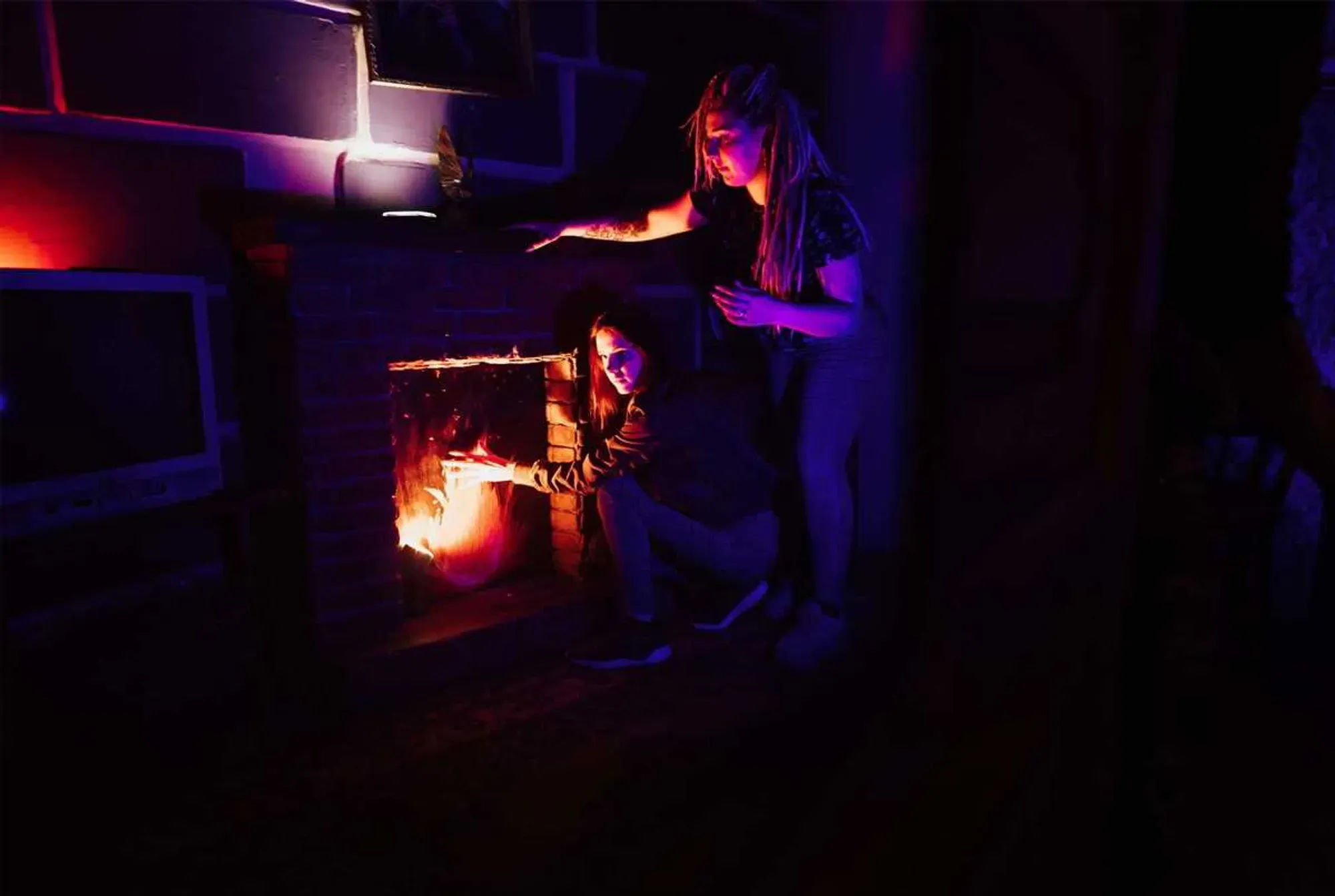
You and your company arrive at the coolest new building in town to look at the apartment of your dreams. Here you are, already going up to it in the elevator, but something happens that you didn't expect at all!
Important information and features of the escape room
Для подтверждения бронирования требуется предоплата в размере 1000 рублей на все сеансы. При отмене бронирования позднее чем за день до игры предоплата не возвращается.
The owner of this escape room has not yet confirmed their details.
If you are the owner of this escape room, please confirm your details so that customers can see your contact information for bookings.Location
остановка «Детская поликлиника»
Services are provided by ИП Пермяков В.В.
Wardrobe
AI Overview
AIMost often, people praise the atmosphere: darkness, sound, and lighting keep you on edge from the first minutes; players both scream and laugh at their own reactions. The staff is a strong suit: careful voice hints, a warm welcome, and skillful immersion. It scares even without an actor, but with one it becomes markedly tougher and more dynamic. Rare downsides include compact rooms, stuffiness and deep darkness in places, and an occasionally rushed finale.
WeaknessesSpaces are small; with four it can feel cramped and stuffy, and in places the flickering light and deep darkness get in the way. Several teams found the ending rushed, and some props unnecessary. The opening scene can be hard for people with claustrophobia.
StrengthsSet design and sound are top-notch, immersion is instant. The balance of fear and tasks keeps interest to the end, much runs automatically and without hiccups. Hosts and actors set the mood and gently steer without breaking the game.
SecurityBefore the start, you get a detailed briefing; during the game they watch closely and help over the radio. There’s a lot of darkness, sharp sounds, and tight spaces — wear comfortable clothing; people with claustrophobia should consider the first scene.
Level of fearScary even without an actor; with actor encounters it’s noticeably harsher and more unpredictable. Suitable for teens around 12+ in a gentle mode, kids are better off without an actor.
Actors' gameActors appear suddenly and keep the whole game tense, adding drive and jump scares. Even without an actor the quest works thanks to the atmosphere and voice prompts, and the hosts competently guide the plot.
Quality of riddlesPuzzles are logical and moderately challenging, sometimes non-linear, requiring attention to small details and reading clues. Thinking is harder in panic, but the hosts give veiled nudges. Doable for newcomers, not boring for veterans.
PlotThe story about viewing an apartment unfolds through objects and details, growing darker as you progress. The finale felt rushed to some teams, but the overall concept hooks you.
Difficulty levelDifficulty leans toward medium: with hints, beginners feel comfortable, while veterans enjoy the presentation and non-linearity. In the actor mode, stress makes tasks feel harder.
Other escape rooms at this location
Z.L.O.2 - 5 people
Escape rooms in Tyumen by category
Pick a vibe — every category is a real page with reviews and booking.
Reviews