Performance 16+
Judgment Night
- Instant booking
- Live actors
- 2–6Players
- 60 minutesTime
- Medium. Logic and teamwork. No special experience needed.Difficulty
- A bit scary. Jump scares and dark scenes.Scariness
About the escape room
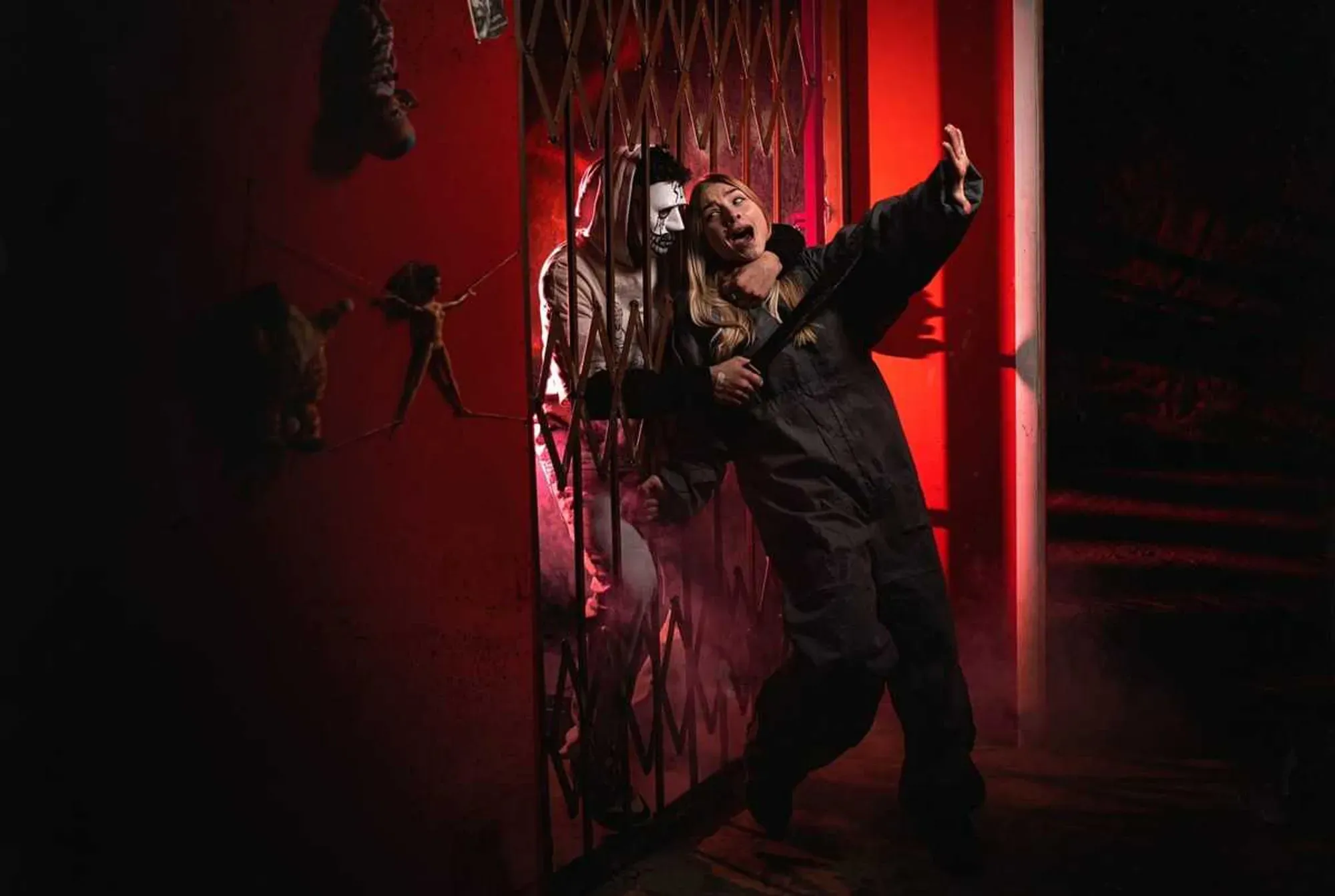
The government has developed a new social-psychological experiment "The Purge". It will awaken the most unpredictable emotions in you. Everything is allowed this night.
In the darkness of the streets, some crave revenge, others seek entertainment, the rest try to survive until dawn...
Are you ready to become victims of this experiment?
Important information and features of the escape room
На сеансы в 10:00, 22:00 требуется обязательная предоплата в размере 1000 рублей.
Online booking
The owner of this escape room has not yet confirmed their details.
If you are the owner of this escape room, please confirm your details so that customers can see your contact information for bookings.Location
Остановка «Улица Рахова»
Services are provided by ИП Ушаков Н.Д.
Free Parking
Wardrobe
AI Overview
AIAlmost everyone praises the actors: they engage you from reception, deftly improvise, adapt to requests, and interact gently. Fear peaks in the starting zones; later the rhythm shifts toward dynamism, jokes, and chatting with characters. There are few puzzles and they’re not hard—the focus is on action, touch, and location features (bar, lighting, SFX). People note a large, detailed venue and a powerful soundtrack; rare downsides include heat/dust and one sharp complaint about excessive roughness.
WeaknessesSome will miss puzzles and a clear “plot”; it’s more performance-action. There are reports of it being hot/dusty. There’s a single negative story about traumatizing touch—at odds with the general care.
StrengthsThe strongest side is the acting and contact: lots of improvisation, humor, and tailored attention to each player. The atmosphere is boosted by music, lighting, scents, and cool set-pieces; the bar is a favorite spot for many. The location is large and rich, and the pace holds to the finale.
SecurityThe administrator gives a thorough briefing and gathers contact preferences; most note care and safety. But there was a rare review about overly rough handling—choose a comfortable mode and state your limits.
Level of fearIn terms of fear, it starts intense with crushing anxiety, then shifts to more fun and action. Unlikely to suit kids and those who dislike contact; contact levels are chosen in advance.
Actors' gameThe actors are called pros: they appear unexpectedly, make you laugh, scare, and keep the pace, while listening to requests and acting carefully. Lots of dialogues and individual interactions—this is what makes the quest feel alive.
Quality of riddlesThere are puzzles, but few and of medium simplicity; adrenaline gets in the way more than difficulty. They’re fair and logical; if you stall, you get hints. For fans of brain-busters, the quest may feel easy.
PlotThe plot is about surviving a night of chaos: scenes, transitions, and mini-stories instead of a linear drama. Nonlinearity and performance drive the game better than any monologues.
Difficulty levelMentally easy–medium, physically dynamic: running, jumps, contact. Ideal for those who want action and emotion rather than long puzzle-solving.
Other escape rooms at this location
Judgment Night2 - 6 people
Escape rooms in Saratov by category
Pick a vibe — every category is a real page with reviews and booking.
Reviews