Performance 18+
Hellfest
- Instant booking
- Live actors
- 2–10Players
- 60 minutesTime
- Medium. Logic and teamwork. No special experience needed.Difficulty
- A bit scary. Jump scares and dark scenes.Scariness
About the escape room
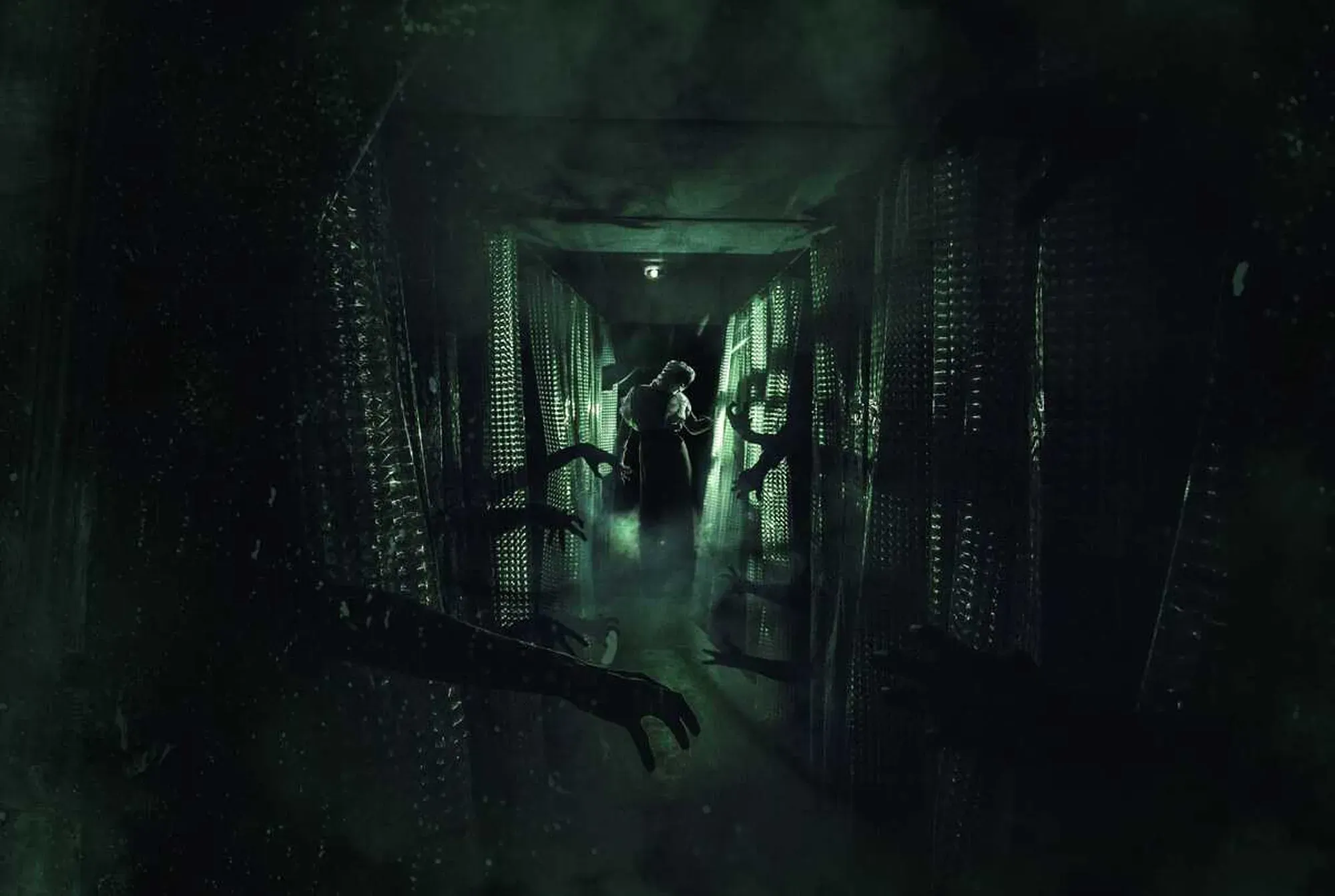
Hellfest is an experimental system created by a team of researchers and engineers from the Saratov laboratory. Using artificial intelligence, the mechanism identifies hidden fears, phobias, desires, and fantasies, and then immerses them in a simulation. What story will you live through? Who will you meet? It's all up to your consciousness.
Important information and features of the escape room
Требуется обязательная предоплата в размере 1000 рублей.
Online booking
The owner of this escape room has not yet confirmed their details.
If you are the owner of this escape room, please confirm your details so that customers can see your contact information for bookings.Location
Остановка «Улица Рахова»
Services are provided by ИП Ушаков Н.Д.
Free Parking
Wardrobe
AI Overview
AIMost guests praise the atmosphere, music, and lighting, plus careful yet tangible actor contact and the large space for chases. Puzzles are few and mostly logical; the focus shifts to action, hiding, and pursuits, especially in slasher mode. People note the detailed briefing and that the team honors tactile preferences; many return for other modes and team lineups. Rare cons include administrative hiccups and requests for more jump scares or separate room lock-ins.
WeaknessesSometimes people complain about a lack of jump scares or puzzles, and that the team is split by rooms less often. Isolated reviews mention issues with administrators and contentious situations after the game. The most active part can feel too exhausting for those who don’t like running.
StrengthsFrom the first minutes, the atmosphere is dense: music, light, unexpected appearances—all feed the tension. A large, run-friendly layout and careful actor contact that flexes to the team. Nonlinearity, stealth, and cat-and-mouse make the quest replayable and genuinely alive.
SecurityBefore the start, rules and safety are explained in detail; reviews say they closely monitor player condition. The spaces are built so running is relatively safe; tactile contact is careful, and staff help with minor scrapes.
Level of fearTangible fear: jump scares, darkness, pursuits, and tension until the finale. For children—no data; newcomers should start with a gentler mode.
Actors' gameActors get the main praise: careful tactile contact, a precise sense of distance, and vivid personas that keep the whole game taut. They honor contact preferences and can shift delivery from soft horror to dense slasher.
Quality of riddlesPuzzles are measured and painless: clear, fair, and made tougher under fear. In slasher there are fewer of them, with emphasis on collecting pieces and action; in horror and mystic—balance of logic and pace. Nonlinear tasks send you back and forth across the venue, adding drive.
PlotThe experimental AI-system concept sets the frame: you live through your own simulation and meet different figures. The plot is delivered nonlinearly, with nods to stealth games and mode switching, without spoilers or “rails.”
Difficulty levelMentally—medium; physically—hard: lots of running, stealth, and tension. Beginners should take a soft mode; experienced players will enjoy slasher or hard with dense contact.
Other escape rooms at this location
Hellfest2 - 10 people
Escape rooms in Saratov by category
Pick a vibe — every category is a real page with reviews and booking.
Reviews