
Performance
Лекарство от здоровья
Примите участие в эксперименте нового медицинского препарата, блокирующего страх! Станьте героем фильма ужасов, испытайте свои границы и помогите нам изменить мир.
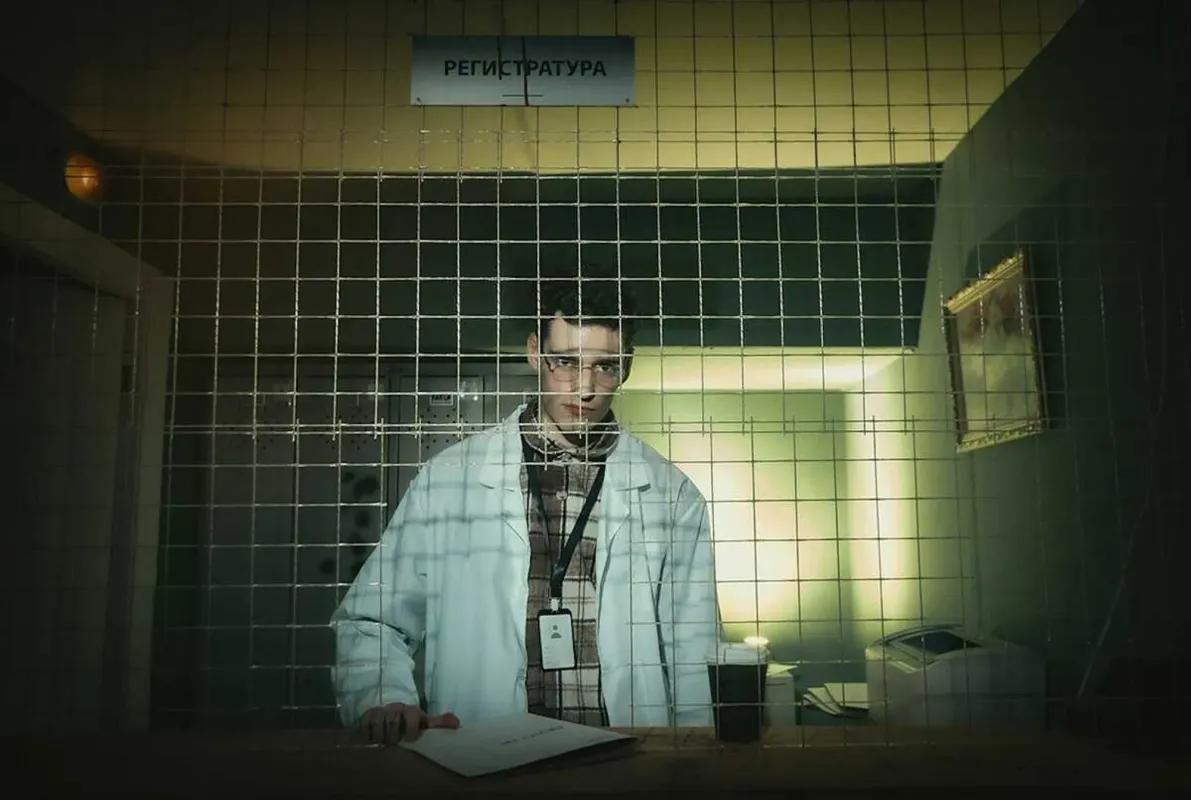
Overbrook Psychiatric Hospital specializes in containing dangerous criminals and maniacs, from 1896 to the present day.
There are many rumors about the hospital, including those related to paranormal phenomena and unconventional treatment methods.
However, the greatest danger is posed by the patients of this clinic, who will never leave its walls.
You are a team of young interns, who are about to be sent to this place to do their training.
Getting here was difficult as Overbrook is located away from residential areas. Mobile communication and internet are completely unavailable...
And finally: remember, patients can be very aggressive and unpredictable, so we cannot guarantee your complete safety within these walls...
Примите участие в эксперименте нового медицинского препарата, блокирующего страх! Станьте героем фильма ужасов, испытайте свои границы и помогите нам изменить мир.
Pick a vibe — every category is a real page with reviews and booking.
Reviews