Medicine for health
- Live actors
- 2–6Players
- 90 minutesTime
- Above average. More puzzles and a faster pace. Tight for beginners.Difficulty
- A bit scary. Jump scares and dark scenes.Scariness
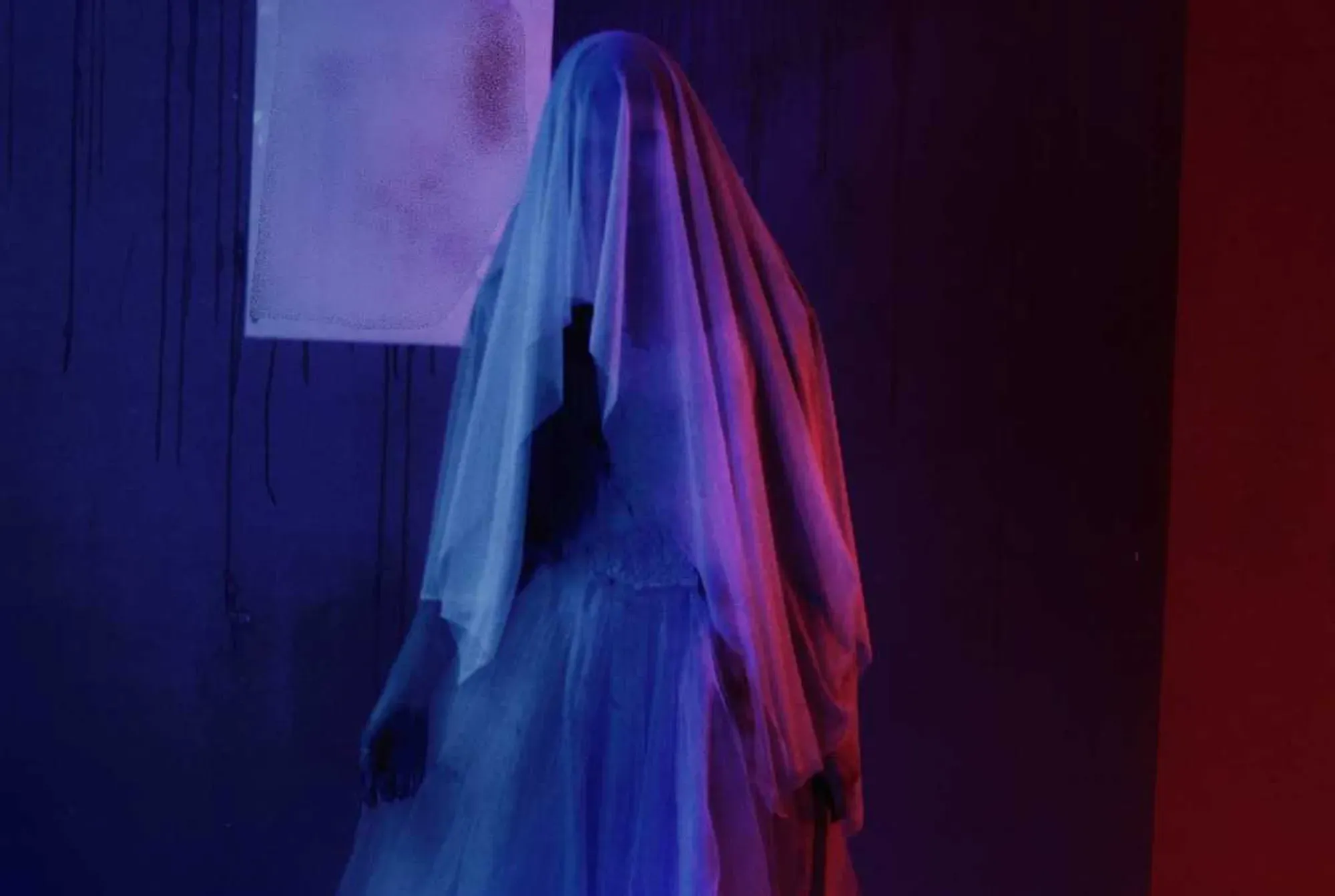
Welcome to our experimental medical complex! Currently, we are testing a new medication aimed at blocking human fear. Our development has the potential to completely change the world.
You are volunteers, who will be among the first to try the medicine on themselves. You will be sent to a specially adapted location for the experiment, where you will be completely safe. Here, we will monitor how your brain reacts to fear, stress, and other critical situations.
Now you are the main character of a real horror movie. Our test platform will reproduce a large number of different characters and will do everything so that you can't escape from it until you manage to block the fear. Until the experiment is completed, no one will be able to predict what or who will be behind the next door...
The owner of this escape room has not yet confirmed their details.
If you are the owner of this escape room, please confirm your details so that customers can see your contact information for bookings.Location
AI Overview
Other escape rooms at this location
Escape rooms in Saratov by category
Pick a vibe — every category is a real page with reviews and booking.
Reviews