Performance 14+
Аненербе
- Instant booking
- Live actors
- 2–30Players
- 90 minutesTime
- Medium. Logic and teamwork. No special experience needed.Difficulty
- Not scary. Almost no tension.Scariness
Escape room awards

Входит в топ 5 квестов города на агрегаторах
About the escape room
Вы – группа испытуемых.
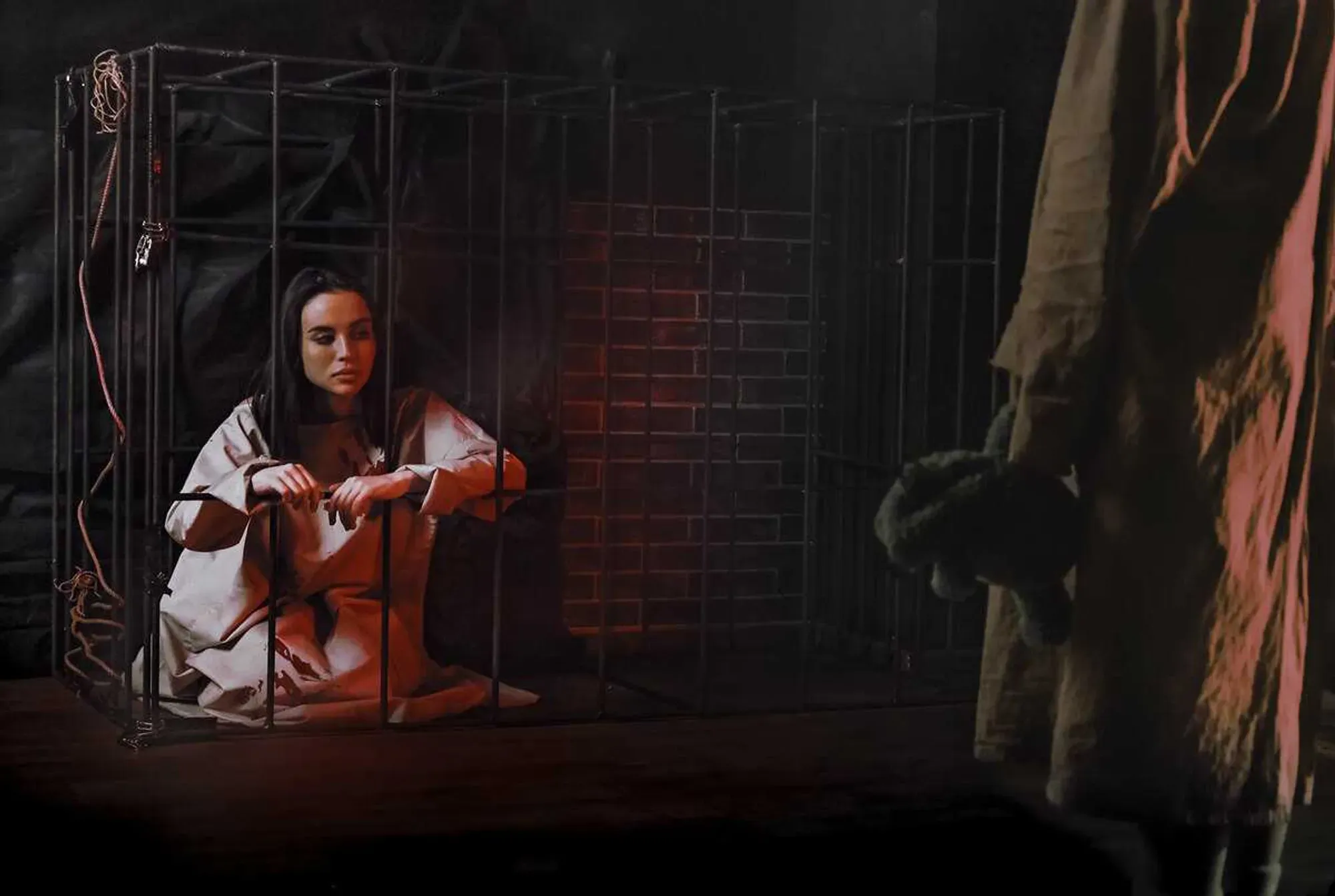
Сейчас с помощью ритуала вы попадете в прошлое через портал. Ваша главная задача – узнать, куда пропала команда наших испытуемых в 1943 году. Мы до сих пор не нашли никакой информации об их исчезновении, и вам необходимо вернуться в тот день и выяснить все. Хочу сказать, что у вас нет выбора. Если вы готовы, то приступайте прямо сейчас. Ах, да! Портал скоро закроется. Если вы не успеете выбраться оттуда, останетесь в этом месте навсегда. Удачи вам, герои!Возрастные ограничения: 14+
Online booking
The owner of this escape room has not yet confirmed their details.
If you are the owner of this escape room, please confirm your details so that customers can see your contact information for bookings.Location
1 минута пешком от остановки «Улица Мусы Джалиля», ТЦ «Губернский»
Paid Parking
Wifi
Wardrobe
AI Overview
AIAlmost everyone notes strong acting, realistic sets, and scale — the team maintains contact most of the time. Puzzles are mostly simple and serve the pacing, with the focus on interactivity and fear. Fear level is adjustable from light to 18+, where contact is tangible and bruises are possible. Downsides include pauses on soft modes, crowding in large groups, and occasional fluctuations in cast quality.
WeaknessesFew puzzles and they’re easy; riddle fans may be left wanting. Large teams can feel cramped and noisy, and light modes may have downtime. Isolated complaints about excessive roughness and different contact for women and men.
StrengthsAtmosphere and setting are well thought-out, with sound and light working for immersion. Actors are charismatic, hints are given in character, and the location is large and varied.
SecurityClear briefing before the game, the safeword works, and contact level is tailored to your request and age. If you don’t want rough stuff, set boundaries in advance; on hard modes contact is tangible and may leave marks.
Level of fearScary and tense, but you can choose the mode: 14+ without brutality suits teens, 18+ with pain for the experienced. On hard settings the contact is rough, bruises and use of stun devices are possible — choose consciously.
Actors' gameActors are praised almost unanimously: they keep the pace, scare with a mere appearance, and interact subtly with the team. Hints and scenes are woven into the game; sometimes there are many actors accompanying the whole session.
Quality of riddlesPuzzles are logical and fair, at times unconventional, but there aren’t many — the emphasis is on dynamics and contact. Experienced players may find it easy; for newcomers it’s just right.
PlotThe story about a missing team in 1943 unfolds through actions and encounters, without extra lectures. On light modes, some players noted pauses in plot development.
Difficulty levelDifficulty leans toward easy-medium, suitable for newcomers and groups without experience. Fans of complex ciphers and dense plotting may lack challenge.
Other escape rooms at this location
Аненербе2 - 30 people
Escape rooms in Orenburg by category
Pick a vibe — every category is a real page with reviews and booking.
Reviews