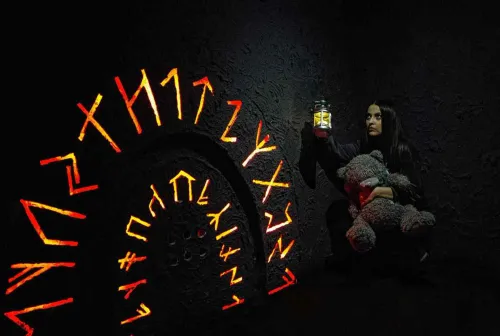
Темный лес, заброшенный приют и таинственная легенда. Вы решили разгадать эту загадку. Но сумеете ли вы выбраться оттуда живыми?
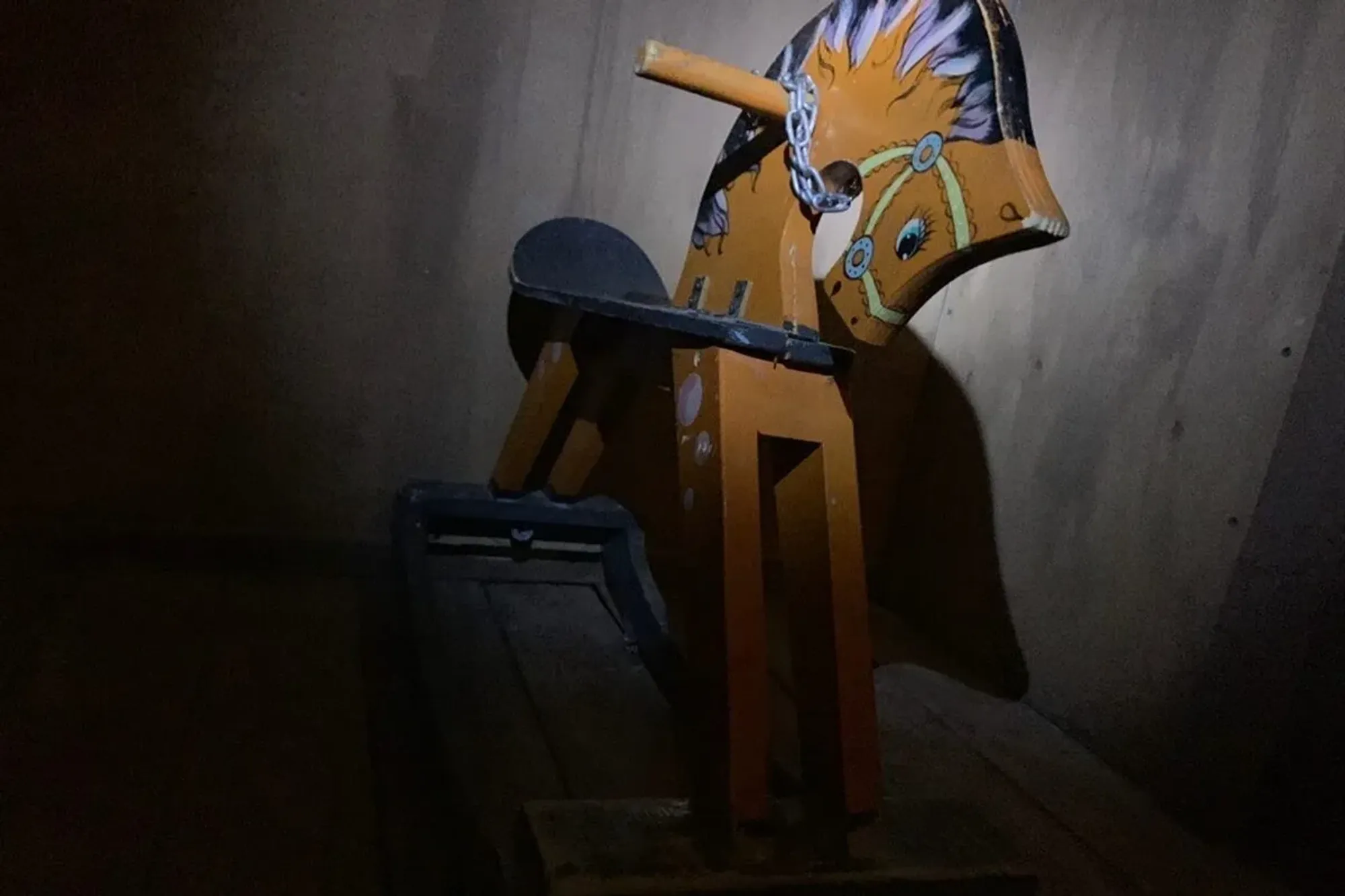
Escape room 6+
Abandoned camp
- Instant booking
- 2–8Players
- 60 minutesTime
- Medium. Logic and teamwork. No special experience needed.Difficulty
- Tense. A heavy mood, few sudden scares.Scariness
About the escape room
Legends circulate about an old abandoned camp where, many years ago, the director made a deal with the devil, giving him all the children's souls in exchange for his own immortality.
The children from the last shift never returned home, and since then the camp has been impossible to find. Anyone who has found this place has never been seen again. It is said that children's screams can still be heard in the local forest at night, and the locals say they see children there.
Important information and features of the escape room
На вечерние сеансы (20:30, 22:00) требуется обязательная предоплата в размере 700 рублей. При отмене бронирования позднее чем за 2 часа до начала игры предоплата не возвращается.
Online booking
The owner of this escape room has not yet confirmed their details.
If you are the owner of this escape room, please confirm your details so that customers can see your contact information for bookings.Location
Вход с торца дома, стеклянная пристройка
Services are provided by ИП Мочалова Н.М.
Free Parking
Wifi
Wardrobe
Waiting Area
AI Overview
AIMost rave about the ambience, sound, and plot — it feels like stepping into a horror movie. Actors and admins flexibly adjust the fear level; their engagement and friendliness are noted constantly. Puzzles are logical and varied; under tension they feel tougher, but hosts help. Cons mentioned: darkness toward the finale for large groups, occasional hiccups with age ratings, and complaints about the waiting area’s condition.
WeaknessesSometimes it gets too dark by the end, especially if the team is large, and not everyone gets enough light. There were isolated complaints about a mismatch with the stated age and a cramped, simple waiting area. One negative case with organization and escorting out a frightened child — better to agree on rules and supervision in advance.
StrengthsStrong atmosphere: light, sound, set design, and story all drive immersion. Acting is on point with lots of interactivity; you can choose how scary. Puzzles aren’t repetitive: searching, logic, and a bit of team coordination.
SecurityRules are explained before the start, you can choose a softer version, and no shock devices are used. Still, there were rare complaints about organization and darkness; better to clarify age, the option to remove a participant, and, if needed, supervision in advance.
Level of fearBy feel — from light spooky to full-on horror, with an adjustable level. For younger kids, ask for a lighter version and go with a chaperone: darkness and screams can scare the sensitive.
Actors' gameActors and animators are praised almost unanimously: vivid performances, no masks, with makeup, and they factor in age and team dynamics. Administrators are attentive, help tune the fear level, and stay in touch during the game.
Quality of riddlesPuzzles are clear and fair, no cheap tricks; they require attentiveness and some logic. Under pressure, solving feels harder, but the host hints gently. Kids may struggle without light, yet there’s something for everyone to do.
PlotThe story about a mysterious camp and a grim deal works as a solid frame leading you from room to room. No spoilers: the plot accompanies and sustains the tension till the end.
Difficulty levelMedium difficulty: great for newcomers; experienced players will come for the atmosphere and performance. Large teams may find it harder due to darkness and coordination.
Alternative scenarios
Different scenarios take place in this very room - choose the plot that interests you.
Other escape rooms at this location
Abandoned camp2 - 8 people
Escape rooms in Omsk by category
Pick a vibe — every category is a real page with reviews and booking.
Reviews