Breath
- Live actors
- 2–8Players
- 60 minutesTime
- Above average. More puzzles and a faster pace. Tight for beginners.Difficulty
- A bit scary. Jump scares and dark scenes.Scariness
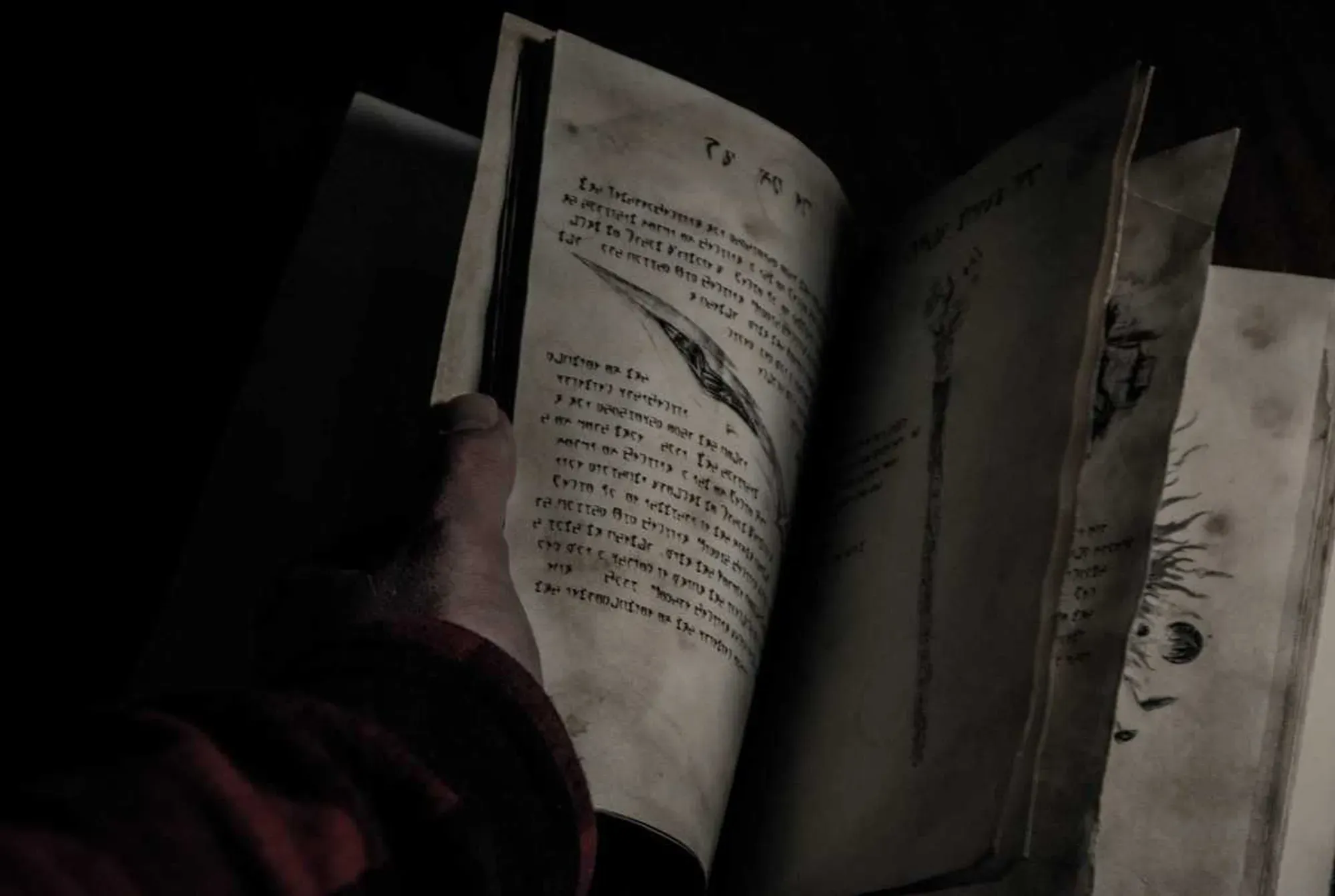
Professor Anton Pavlovich Sokolov, a distinguished military biologist, was appointed the head of a secret military base to maintain the combat power of the state after the end of the Cold War. Under his leadership, a team of advanced scientists was assembled to develop biological weapons. Despite careful employee checks, sabotage occurred on the base. In one of the sections, there was a leak of an experimental sample. The security system instantly blocked the exits and sealed the doors for twenty years... Now you have been thrown into a mission to retrieve the experimental sample. The mission must be completed at any cost.
Важно! На сеансы с 20:00 обязательна предоплата в размере 400 рублей.
The owner of this escape room has not yet confirmed their details.
If you are the owner of this escape room, please confirm your details so that customers can see your contact information for bookings.Location
AI Overview
Escape rooms in Kirov by category
Pick a vibe — every category is a real page with reviews and booking.
Reviews