Performance 18+
Серп и морда. Пугало
- Instant booking
- Live actors
- 1–12Players
- 60 minutesTime
- Medium. Logic and teamwork. No special experience needed.Difficulty
- Not scary. Almost no tension.Scariness
About the escape room
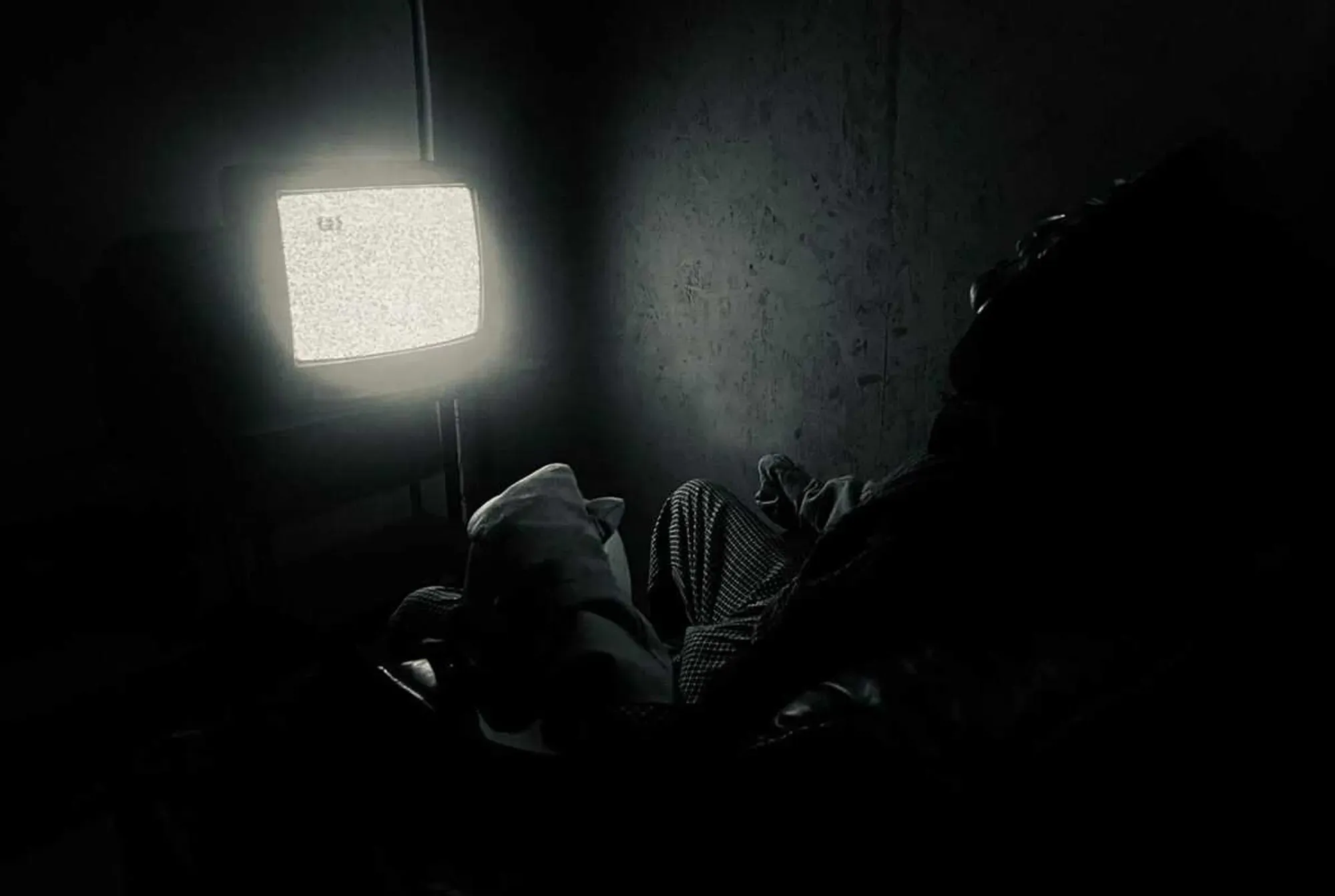
В глухой глубинке, где-то на краю густого заповедного леса стоит небольшая деревушка, о которой местные предпочитают не говорить. Когда-то эта деревня процветала, пока одно из пугал, поставленных для охраны полей, вдруг не ожило и не взялось за серп. В одну роковую ночь оно вырезало всех жителей деревни и заняло дом семьи, которая его сделала. С тех пор деревня пуста, но говорят, что пугало до сих пор бродит по ее улицам, в поисках новых жертв.
Вы – усталые путники, которые отбились от своей туристической группы. Начало темнеть, вы увидели посреди развалин заброшенной деревни один единственный дом, в котором горел свет, и решили, что можно там заночевать и, возможно, даже поесть. Но когда дверь захлопнулась за вашими спинами, вы поняли, что ужинать будут вами…Возрастные ограничения: 18+
Online booking
The owner of this escape room has not yet confirmed their details.
If you are the owner of this escape room, please confirm your details so that customers can see your contact information for bookings.Location
вход с торца, со стороны ул. Весенней
Paid Parking
Wifi
Wardrobe
AI Overview
AIMost often, people praise the actor and the atmosphere: they carry the experience. Puzzles get mixed reviews: sometimes interesting, sometimes with “wobbly logic,” especially in the first room, plus it’s quite dark. Staff are friendly and engaged, but there can be timing hiccups and an assembly-line feel. You can play with large groups; there’s plenty of actor interaction tied to the chosen level.
WeaknessesSome puzzles feel illogical or break the pace; the starting room eats up time for many. Darkness and weak lighting make locks hard to handle, hints are sometimes hard to hear. Occasionally — a tight schedule and complaints about the Scarecrow’s portrayal from experienced players.
StrengthsDeep immersion, quality set design and acting, lots of live interactions. Friendly admins, clear hints, fun phone gimmicks. Adjustable modes for different fear thresholds and experience.
SecurityThere’s a briefing before the game and a request to handle props carefully; you may be asked to sign a waiver. On hard, people note elements of physical impact and a stun device — discuss boundaries in advance and choose a comfortable mode.
Level of fearScary and dynamic; on hard — very, with jump-scares and chases. Officially 18+, but reviews say teens are allowed on an easier level with supervision — better check the venue’s rules.
Actors' gameActors are the main plus: charisma, a good sense of limits, and improvisation, with lots of direct interaction. On request, the team can get a soft format or action with physical contact on hard; the Scarecrow appears often and keeps the tension high.
Quality of riddlesPuzzles are varied and generally solvable, but logic falters in places, especially in the first room and with the “generator.” Experienced teams cope more easily; newcomers will appreciate hints. The darkness sometimes obscures clues and lock numbers.
PlotA legend about a living scarecrow in an abandoned village and a trap-house sets the right degree of creepiness. The story supports room exploration and encounters with the “host” without extra spoilers.
Difficulty levelDifficulty ranges from medium to high; the start can snag you without hints. Hard means more action and less time to think; the medium level suits most.
Other escape rooms at this location
Серп и морда. Пугало1 - 12 people
Escape rooms in Kemerovo by category
Pick a vibe — every category is a real page with reviews and booking.
Reviews