Escape room 18+
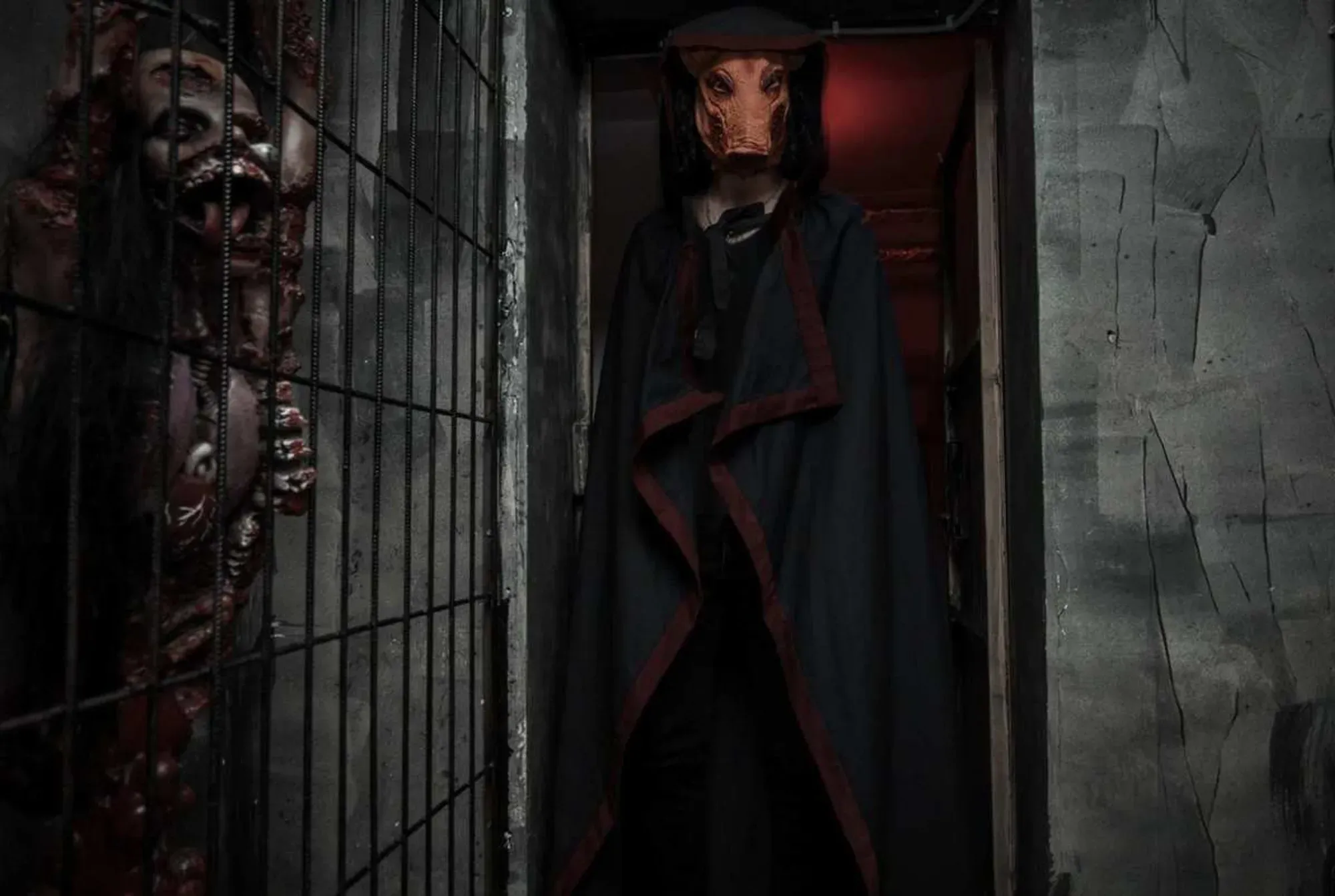
Saw 2. The Final Test
- Instant booking
- 2–10Players
- 60 minutesTime
- Above average. More puzzles and a faster pace. Tight for beginners.Difficulty
- Scary. Actors, sudden appearances, psychological pressure.Scariness
About the escape room
Now the game has become even more difficult, the rules are stricter, and the traps are more sophisticated. Can you pass the final test and escape from the clutches of the maniac with your whole team? Test yourself!
Important information and features of the escape room
При бронировании всех сеансов необходима предоплата в размере 500 рублей и подтверждение по телефону. Просим отнестись с пониманием.
Online booking
The owner of this escape room has not yet confirmed their details.
If you are the owner of this escape room, please confirm your details so that customers can see your contact information for bookings.Location
Остановка «Больничный комплекс», 1-й этаж
Services are provided by ИП Казаков В.Р.
Free Parking
Wifi
Wardrobe
Waiting Area
AI Overview
AIThe overwhelming majority of guests are delighted: they praise the set, music, difficulty, and acting, especially in contact modes. The degree of fear varies a lot with the chosen level and the specific shift: some found it "very scary," others on medium felt more thrill than dread. Puzzles are generally logical and varied, but many struggle without hints; sometimes people complain about tech hiccups, excess hints, or overdone contact. There are isolated tough complaints about safety and organization, and cases where the stated number of actors didn’t match reality.
WeaknessesSometimes there are too many or too few hints, which breaks the pace. Technical issues occur: stiff locks, missing items, rare breakdowns. Reported breaches of contact agreements and actor count, and it can feel cramped with a large group.
StrengthsA strong set with nods to the film, tense atmosphere, and great acting make the run memorable. Many rooms and tasks, with variability in fear and contact levels. Staff are usually responsive and provide timely hints.
SecurityThey usually give a briefing and let you choose the degree of contact, including banning specific impacts. However, there were complaints about painful contact, a stun gun, and injuries, as well as unsanctioned actions — discuss boundaries in advance and carefully verify conditions before the start.
Level of fearBy feel — from 'creepy' to 'panic,' especially with an actor and on hard; without an actor and on light it’s noticeably calmer. Teens 13–16 often go and are satisfied, but for kids it’s better to choose a soft mode or no contact at all.
Actors' gameActors are widely praised for immersion, charisma, and variable contact — from gentle touches to a hard performance on request. In rare cases they complain about excesses, extra hints, and sometimes a mismatch in the stated number of actors.
Quality of riddlesThe puzzles are varied, at times very difficult, but overall fair and logical if you’re attentive. Often it’s tough without hints, yet the win feels earned. Occasionally there are tech problems and illogical moments noted by dissatisfied teams.
PlotThe story stays true to the Saw vibe: traps, pressure, and choices keep you on edge until the finale. References to the film and voice inserts deepen immersion without unnecessary spoilers.
Difficulty levelTask-wise it’s above average: newcomers should pick medium and not shy away from hints, while experienced teams will enjoy hard/ultra. Teams noted you have to think actively, and under strong emotions the difficulty feels even higher.
Other escape rooms at this location
Saw 2. The Final Test2 - 10 people
Escape rooms in Cheboksary by category
Pick a vibe — every category is a real page with reviews and booking.
Reviews