Performance 18+
Butterfly effect
- Live actors
- 2–8Players
- 90 minutesTime
- Medium. Logic and teamwork. No special experience needed.Difficulty
- A bit scary. Jump scares and dark scenes.Scariness
About the escape room
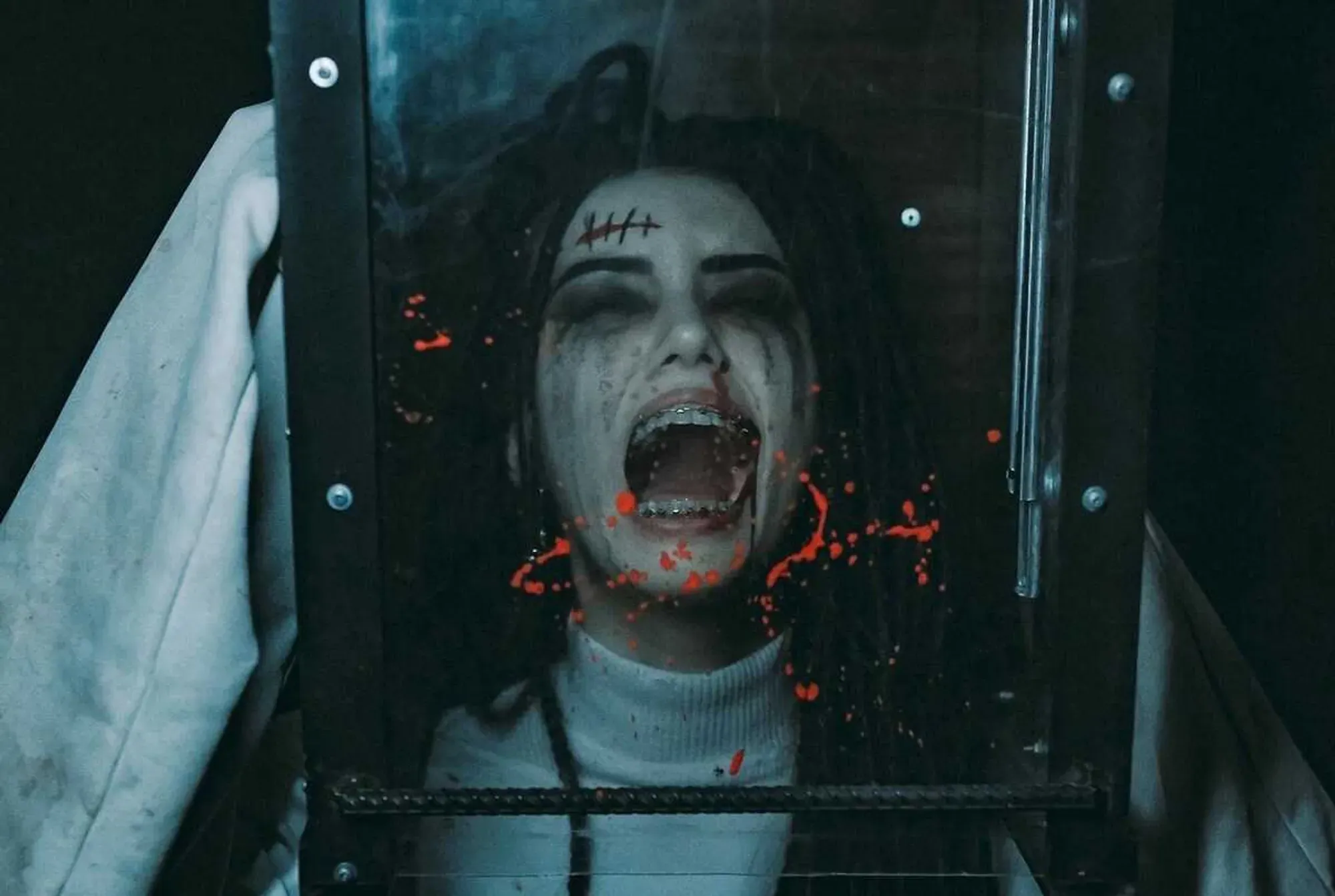
You will go back in time and find yourself in a psychiatric hospital, where Dr. Samantha Parker conducts her research on creating a serum against personality disorders. You will have to immerse yourself in the world of the doctor's madness, who conducted experiments on herself, and try to get back.
Remember, you cannot change the past, the consequences will be irreversible!
Important information and features of the escape room
При бронировании всех сеансов необходима предоплата в размере 500 рублей и подтверждение по телефону. Просим отнестись с пониманием.
The owner of this escape room has not yet confirmed their details.
If you are the owner of this escape room, please confirm your details so that customers can see your contact information for bookings.Location
5 минут пешком от остановки «Фруктовая улица»
Services are provided by ИП Казаков В.Р.
Free Parking
Wifi
Wardrobe
Waiting Area
AI Overview
AIAlmost everyone praises the actors: they improvise, pull you into the game, and can both scare and make you laugh. The psych hospital vibe, lighting, and sound create strong immersion; many come for birthdays and choose versions with one or two actors. Puzzles are varied, mostly logical, but can be tough for newcomers — hints come via radio. In rare reviews they complain about service, loud music, a small venue, timing mismatches, cleanliness, and overly harsh tactile contact.
WeaknessesSometimes they mention loud music, a small number of rooms, and session time discrepancies. There have been complaints about the administrator and cleaning, as well as rough contact. Isolated — weak logic of some mechanisms.
StrengthsStrong performance with live contact, attention to each player, and well-thought-out set design. Good balance of fear and play, flexible modes, and the option to book two actors. Often noted: beautiful location details and unusual mechanics.
SecurityThere’s tactile contact and pain-involving attractions; it’s best to agree in advance and choose the right mode; some players leave with bruises. Reviews mention short briefings and occasional rudeness — don’t hesitate to set boundaries and ask questions.
Level of fearOn medium and hard it’s genuinely scary and at times painful; the sensitive may want to skip. For kids they usually pick light — still thrilling, but more about emotions than outright scares.
Actors' gameThe actors are the main draw: they adapt on the fly, crack jokes, press on your nerves, call you by name, and play hide-and-seek/tag. With two actors there’s more interaction and higher tension.
Quality of riddlesPuzzles are varied: you’ll need logic and teamwork; hints come over the radio. Overall fair and to the point, but some spots can be tough for newbies. Rare remarks about logic or a feeling of “too few rooms.”
PlotYou land in a psych hospital with Dr. Samantha Parker and her personality experiments, trying to escape without breaking the flow of time. The story is delivered through actions and interactions with the actors, with no extra spoilers.
Difficulty levelDifficulty is medium, sometimes higher — especially in a small group; experienced players will like it, newcomers will get help via hints. Light/medium/hard modes differ noticeably; pick according to your nerves.
Other escape rooms at this location
Butterfly effect2 - 8 people
Escape rooms in Cheboksary by category
Pick a vibe — every category is a real page with reviews and booking.
Reviews