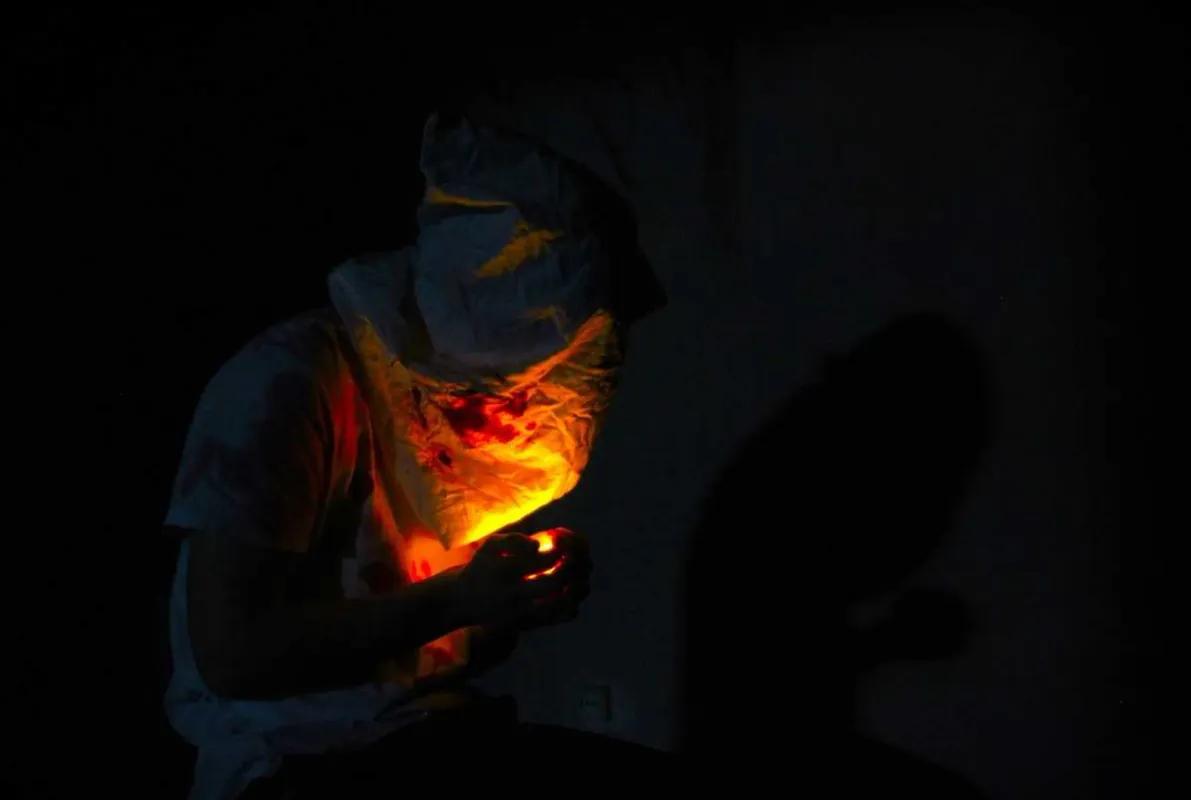
Clinic
One of your friends works at a clinic. You asked him to help with medical documents. He agreed for a nominal fee, telling you where and when they could be picked up. You arrived at the indicated address, the door was opened by a security guard. Recognizing who you were, he invited you in. At that moment, you felt something was off, a slight chill ran down your spine. Questions were swirling in your head: "What kind of clinic is this, located in a basement?" "Why has your friend never detailed about his job?" "Should you cross the threshold?" Make the right choice and stay alive…
На все сеансы требуется предоплата в размере 500 рублей. При отмене бронирования менее чем за сутки до игры предоплата не возвращается.
The owner of this escape room has not yet confirmed their details.
If you are the owner of this escape room, please confirm your details so that customers can see your contact information for bookings.Location
AI Overview
Other escape rooms at this location
Escape rooms in Ufa by category
Pick a vibe — every category is a real page with reviews and booking.
Reviews