Escape room 14+
Den
- Instant booking
- 2–8Players
- 90 minutesTime
- Difficult. Dense puzzles. Better with some experience.Difficulty
- Scary. Actors, sudden appearances, psychological pressure.Scariness
About the escape room
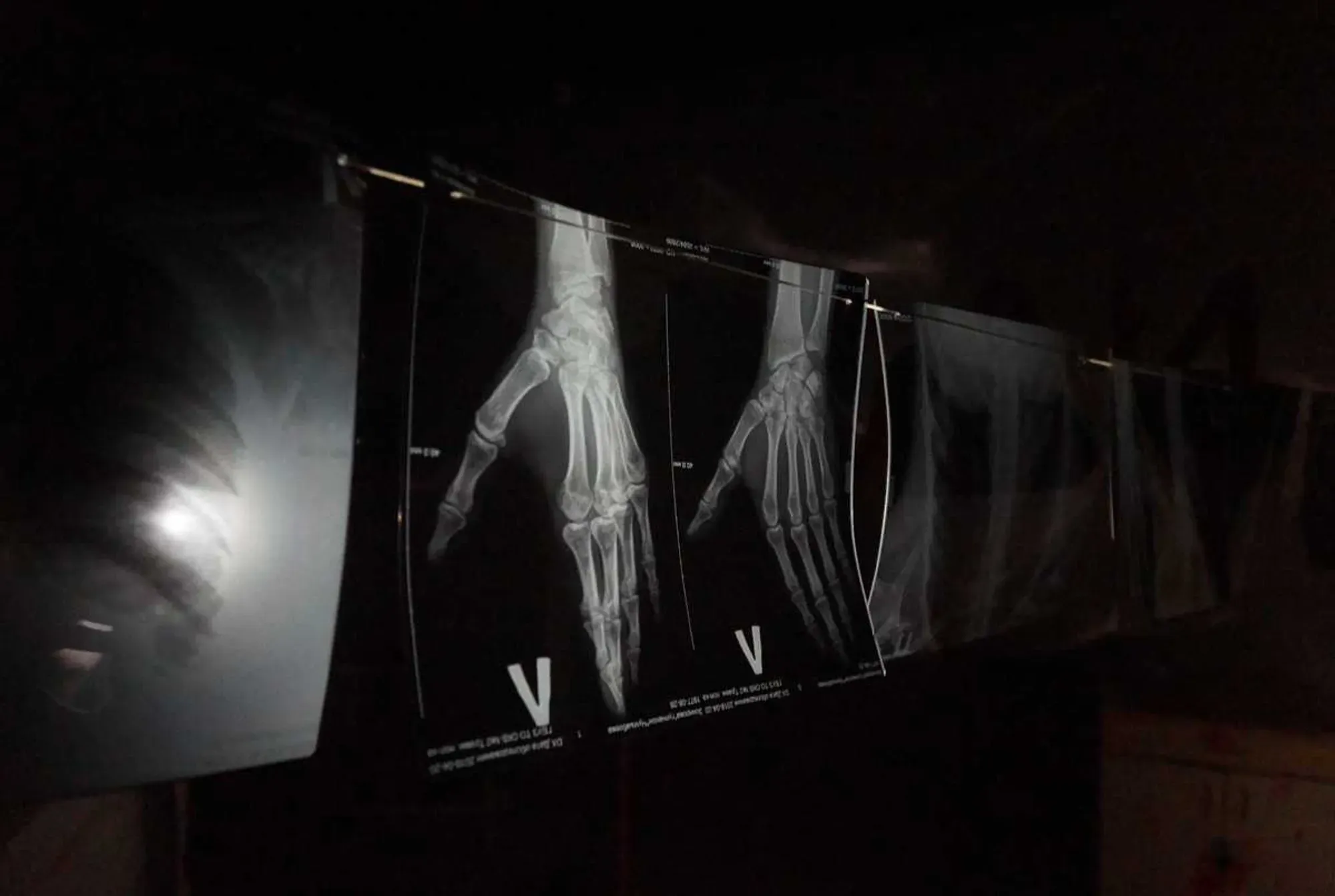
You are about to escape from the lair of a maniac surgeon! Solve all the puzzles, find clues to figure out the mechanisms, hide from the surgeon. Only your logic, teamwork and attention to detail will help. Age restrictions: 14+
Important information and features of the escape room
Фотографии игроков: услуга не предоставляется.
Видео прохождения квеста: услуга не предоставляется.
Online booking
The owner of this escape room has not yet confirmed their details.
If you are the owner of this escape room, please confirm your details so that customers can see your contact information for bookings.Location
рядом с мостом на Червишевский/Московский тракт. Вход с торца, со стороны моста
Services are provided by ИП Карагодин А.С.
Free Parking
Wardrobe
Waiting Area
AI Overview
AIMost praise the actors: they carry the quest, adapt flexibly, and keep the tension. The atmosphere is thick; sound and light work toward fear; many teams scream and sometimes have an actor removed mid-game. Puzzles are mostly reasonable, but there are contentious and repetitive moments, especially closer to the finale. There are complaints about organization, broken locks, pushy hints, and rough contact on hard.
WeaknessesSometimes they mention rudeness on the phone and weak info on the website, broken locks and hints 'over the head.' Part of the audience dislikes the sameness of locks, contentious tasks like mirrored text or origami, and the detective-style ending. There were complaints about the chainsaw smell and painful contact on hard.
StrengthsStrong acting and immersion from the start, modes from light to 'hard with pain.' Good sets and sound, friendly administrators, hints on point. Newcomers enjoy it; many want to return.
SecurityThere is a briefing and the option to choose the degree of contact; most note attentive administrators. At the same time, there were reports of a burn from a stun device, yanking by hands or hair, and heavy chainsaw fumes - better to clarify the format in advance and dress comfortably.
Level of fearTruly scary: even teens 14-16 often ask to lower the level or leave early. If you do not like close contact, take light - there is plenty of adrenaline that way too.
Actors' gameActors are praised by name - Gleb, Roman, Denis, Ilya, Dmitry, Rizvan - for charisma, improvisation, and helping in character. On hard, physical contact is possible; on lighter modes it is softer and more careful.
Quality of riddlesMid-level puzzles; under stress they feel harder, but with hints they are passable. People note both successful mechanics and variety, and also repeating locks; mirrored text, origami, and the final 'detective' spark debate. Overall, the balance of 'think and fear' is preserved.
PlotYou are locked in the lair of a maniac surgeon and try to escape, finding clues, starting mechanisms, and hiding from the hunter. The story is simple but keeps the right tension to the finale.
Difficulty levelFor newcomers it is sometimes tough due to fear and pace, but hints save the day; experienced players may find the puzzles simple without the actor. On hard, the main challenge is pressure from the actor, not the difficulty of the tasks.
Den2 - 8 people
Escape rooms in Tyumen by category
Pick a vibe — every category is a real page with reviews and booking.
Reviews