Shelter
- Instant booking
The end of the 60s.
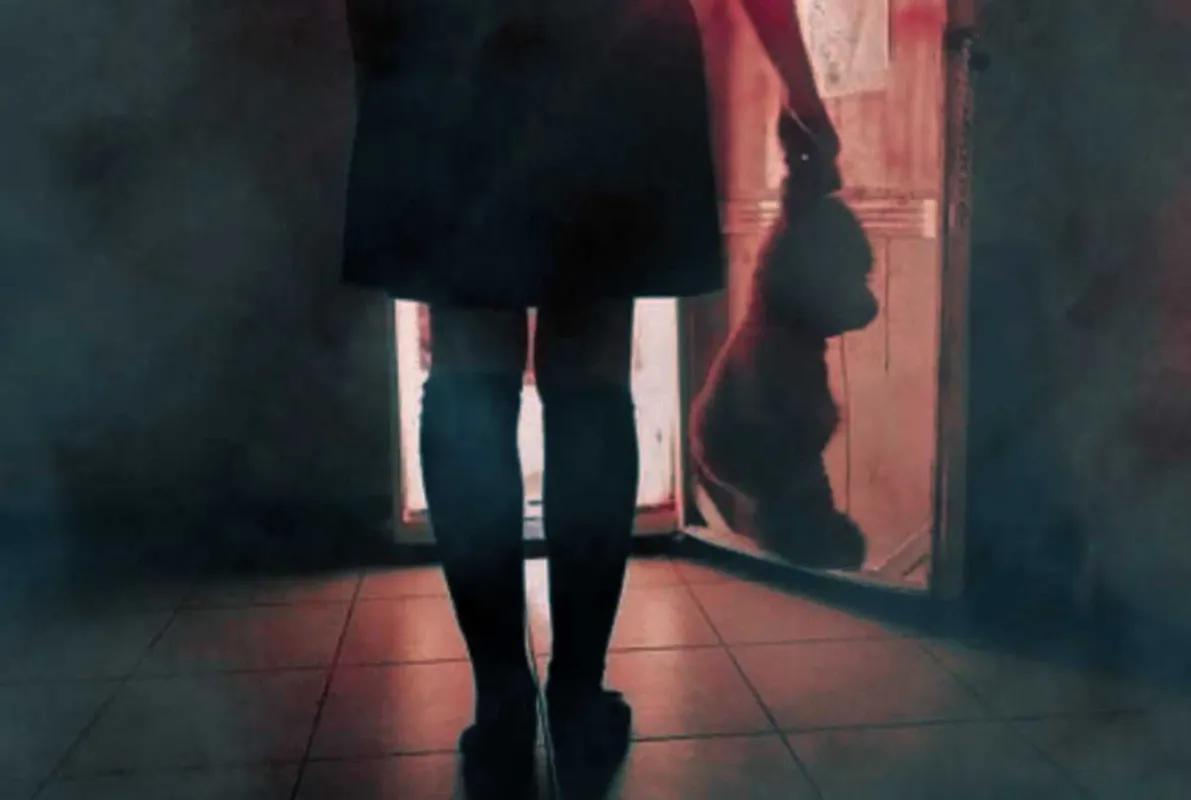
The school-orphanage, located in one of the numerous cities of the now former USSR, is being liquidated.
All the children there are finally supposed to find new families.
It seems as though everything is good and nothing dreadful lurks here. But have you really examined everything carefully? Perhaps, something has slipped your notice.
Step onto the threshold of the shelter. Study it. Become a part. And, perhaps, you will discover something that will make your heart beat faster, and your breath treacherously falter.
Quiet... Can you hear it?
Требуется частичная предоплата в размере от 1000 до 2000 рублей на все сеансы. Необходимо внести предоплату в течение часа после брони, в противном случае организатор вправе отменить игру. При отмене бронирования предоплата не возвращается, но закрепляется за клиентом в течение 1 года. При повторном бронировании возврат предоплаты невозможен.
Online booking
The owner of this escape room has not yet confirmed their details.
If you are the owner of this escape room, please confirm your details so that customers can see your contact information for bookings.Location
AI Overview
Escape rooms in Tambov by category
Pick a vibe — every category is a real page with reviews and booking.
Reviews