Action game 12+
Hide and Seek
- 2–15Players
- 60 minutesTime
- Without riddles. Story and atmosphere, almost no puzzles.Difficulty
- Tense. A heavy mood, few sudden scares.Scariness
About the escape room
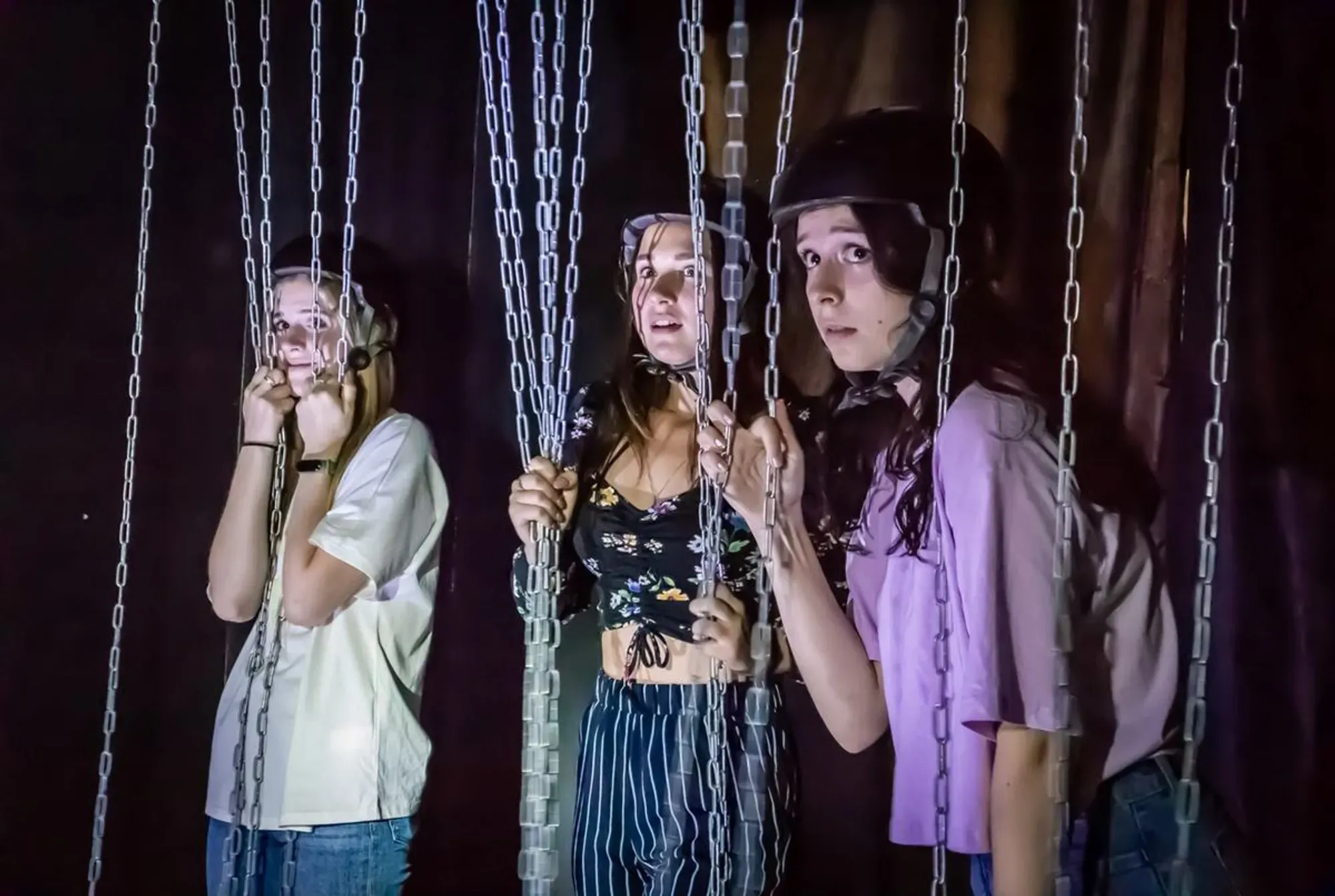
Hide and Seek is an adventure based on the idea of the well-known game and supplemented with game scenarios, a game zone in the form of a maze, a "surround sound" system, and darkness.
Players will have to find secluded spots, climb to different levels, listen to mysterious sounds, transform the space using walls, and find each other!
Important information and features of the escape room
При бронировании сеансов после 20:00, а также в выходные и праздничные дни необходимо внести предоплату в размере 1000 рублей.
The owner of this escape room has not yet confirmed their details.
If you are the owner of this escape room, please confirm your details so that customers can see your contact information for bookings.Location
Рядом с остановкой «Губернский рынок», вход через крыльцо бистро «Салат», 6-й этаж
Services are provided by ИП Мизулин А.В.
Free Parking
Wifi
Wardrobe
Waiting Area
AI Overview
AIMost people praise the full-darkness atmosphere, the large zone with passages and hideouts, and caring hosts. Fear is usually only in the first round; after that it gets fun and competitive. They run gentler kids versions, and actors are added on request and in moderation. The most common organizational minus — water without cups or no cooler; it can feel tight with a big crowd, and after the first round the map sticks.
WeaknessesSometimes people complain about crowding with an oversized group and a lack of hiding spots. There are occasional household hiccups — no cooler or cups. Some missed “originality” in the crawlspaces or wanted an actor/automation; somewhere the rules briefing felt muddled.
StrengthsExcellent organization, attentive administrators, and a safe venue with helmets and soft padding. Lots of emotion, the format is brisk and clear, roles and rounds add excitement. Cozy waiting and tea areas get frequent shout-outs.
SecuritySafety is on point: helmets and disposable caps, soft edges, a briefing, and staff control. Parents are sometimes allowed to watch via cameras; the venue is clean and tidy.
Level of fearScariness is moderate: creepy at first, then funny and engaging. Kid-friendly; for the most timid they hand out flashlights or ease the lighting in the kids version, and an actor is added on request.
Actors' gameWhen present, actors work gently and adapt to age, often “scare in moderation” and keep the pace. Many versions run without actors — then the drive comes from the darkness, sound, and the team itself.
Quality of riddlesThere are almost no classic puzzles — this isn’t about ciphers but tactics, hearing, and orienting in the maze. Rule fairness is fine, rounds and role swaps add variety. Those expecting brainteasers may miss the “brain-burn.”
PlotThere’s no real plot — it’s full-immersion hide-and-seek. For kids they sometimes add themed legends, which adds spark to the party.
Difficulty levelAt first it’s hard to orient in the dark; by the second round it gets easier and more dynamic. Best with 6–8 people; with a huge crowd it can feel cramped.
Other escape rooms at this location
Hide and Seek2 - 15 people
Escape rooms in Saratov by category
Pick a vibe — every category is a real page with reviews and booking.
Reviews