Cradle of Nightmares: new story
- Instant booking
- Live actors
- 2–8Players
- 60 minutesTime
- Above average. More puzzles and a faster pace. Tight for beginners.Difficulty
- A bit scary. Jump scares and dark scenes.Scariness
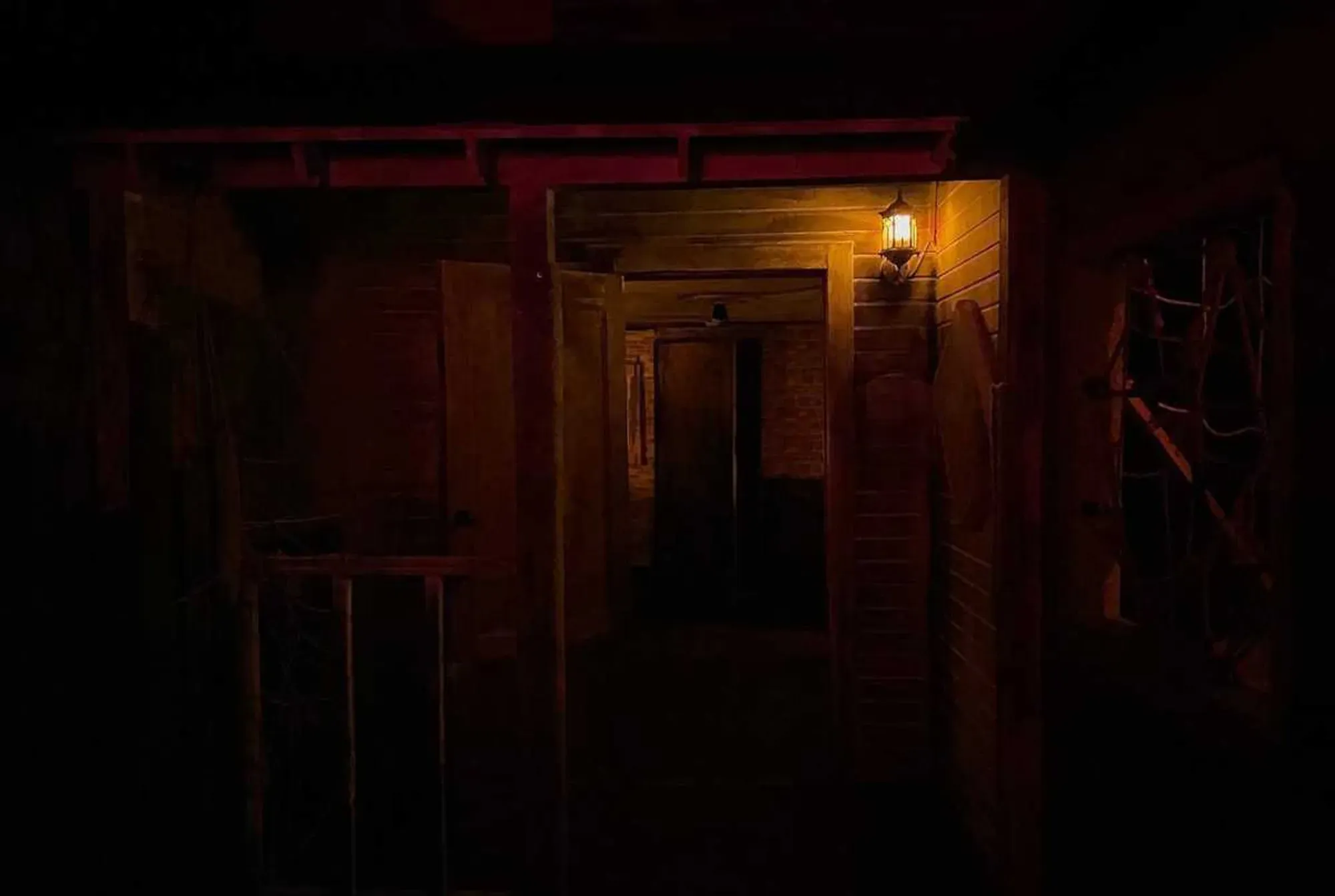
You are a team of researchers whose hobby is searching for anomalies and places notorious for their ill-fame. While staying in a small town hotel, you learn the legend about how the couple, the Mitchells, failed to cope with the loss of their daughter Molly, whose soul was taken and kept captive by a doll they had purchased from a local retailer.
Subsequently, their house was inherited by relatives who were never seen again after inspecting their new property. All the townsfolk avoid this house, saying that they see shadows and silhouettes in the windows. You, enthusiasts of paranormal phenomena, decide to tempt fate and visit that very place, not even suspecting what awaits you ahead.
Для подтверждения бронирования на все сеансы требуется обязательная предоплата в размере 1000 рублей.
Online booking
The owner of this escape room has not yet confirmed their details.
If you are the owner of this escape room, please confirm your details so that customers can see your contact information for bookings.Location
AI Overview
Escape rooms in Saratov by category
Pick a vibe — every category is a real page with reviews and booking.
Reviews