Escape room 14+
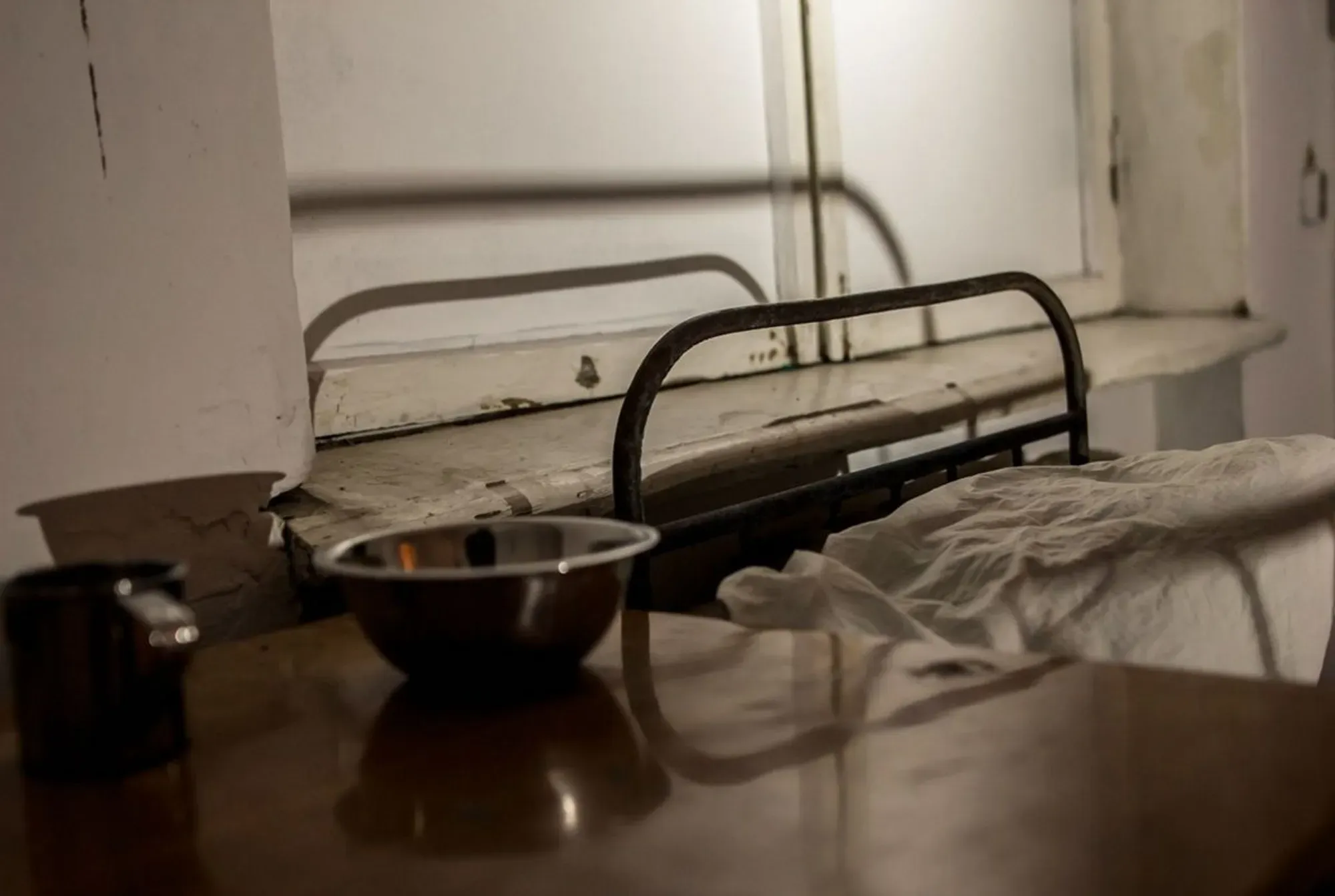
Mental hospital
- 2–5Players
- 60 minutesTime
- Medium. Logic and teamwork. No special experience needed.Difficulty
- Tense. A heavy mood, few sudden scares.Scariness
About the escape room
You are facing a challenging task: to understand the history of a mentally ill person and find out what he encrypted in his messages. Don't forget: time is limited.
Important information and features of the escape room
При бронировании всех сеансов необходимо внести предоплату в размере 500 рублей.
The owner of this escape room has not yet confirmed their details.
If you are the owner of this escape room, please confirm your details so that customers can see your contact information for bookings.Location
6 минут пешком от остановки «Элеватор»
Services are provided by ИП Гадаев Е. В.
Free Parking
Wardrobe
AI Overview
AIMost often, people praise the atmosphere and the attentive administrator. Technical hiccups pop up regularly: radios crackle, the flashlight fails, and a lock or door can glitch. Fear level is moderate: the start hooks you, later the emphasis is on tasks. Room prep is inconsistent, though there are reports that it got better after a management change.
WeaknessesTech periodically lets you down, which costs hints and tempo. There are organizational slips like an unlocked door and questionable logic in some puzzles.
StrengthsSolid atmosphere and a patient-centered plot draw you in. The administrator helps promptly and keeps the team’s mood up.
SecurityNo direct risks were mentioned, but tech and prep sometimes misbehave. It makes sense to check radios and working flashlights before the start; no data on the briefing.
Level of fearMore atmospheric than scary: a light creep at the start, then no nightmares. Suitable for teens and impressionable adults; small children are better with adults.
Actors' gameNo actors as such are noted; interaction is through the host and administrator. The host helps over the radio, but the connection is not always stable.
Quality of riddlesTasks are varied, but some players find them a bit dull or opaque without hints. Heavy dependence on tech: if the radio or flashlight fails, progress stalls. There have been cases where an unlocked door broke the integrity of the chain.
PlotThe patient’s story and his encrypted messages drive the quest, with the timer adding pressure. No spoilers: the finale hinges on cracking a code.
Difficulty levelMedium difficulty: just right for newcomers with hints, while veterans may find some steps simple or murky. Without help, ambiguous puzzles can cause stalls.
Other escape rooms at this location
Mental hospital2 - 5 people
Escape rooms in Saransk by category
Pick a vibe — every category is a real page with reviews and booking.
Reviews