Psychosis
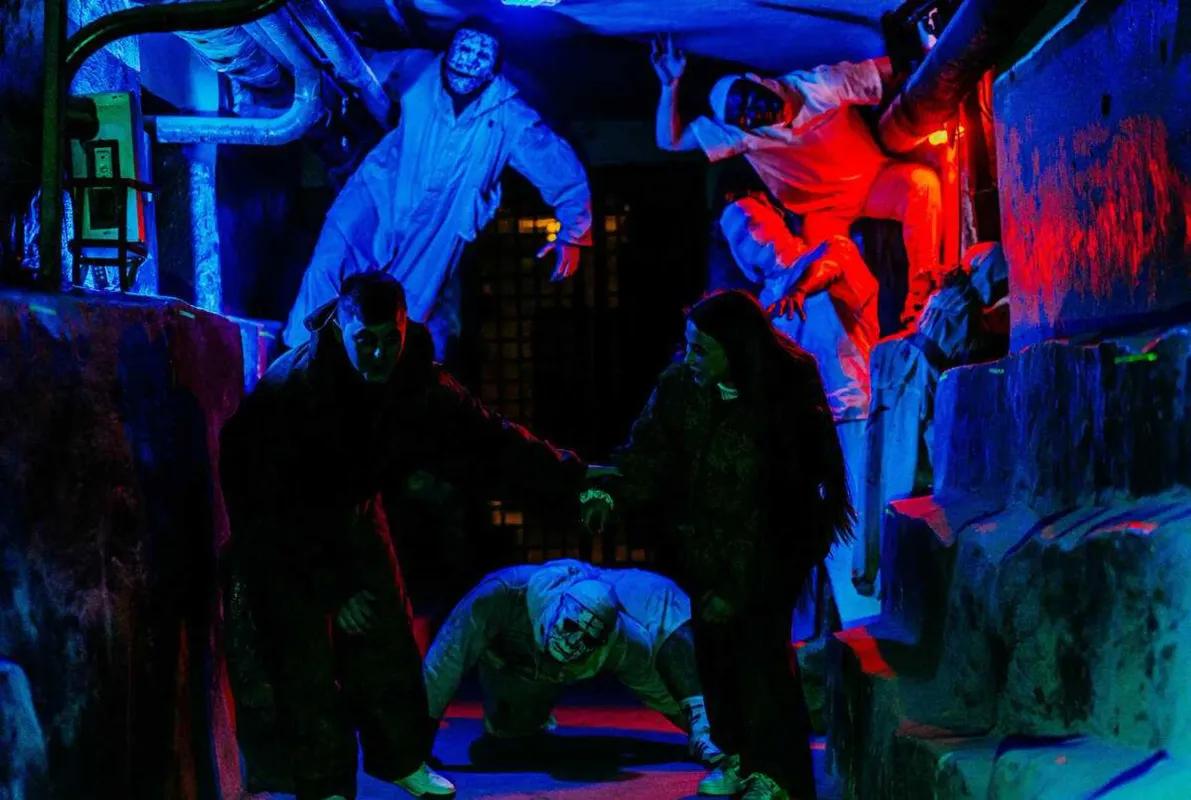
You and your team decide to explore this place to uncover its darkest secrets, but at one point you realize that you have become hostages of this godforsaken asylum. You will have to go through locked doors and dark corridors, full of abandoned wards and gloomy offices.
You must be on guard, as each step could be your last. You will have to come face to face with terrifying creatures that will try to hinder you. The initial purpose of the visit is of little interest to you now because all you want is to escape from here as quickly as possible and forget everything like a terrible dream. But will you be able to do it?
Для подтверждения бронирования на сеансы с 19:30 требуется предоплата в размере 1000 рублей.
The owner of this escape room has not yet confirmed their details.
If you are the owner of this escape room, please confirm your details so that customers can see your contact information for bookings.Location
AI Overview
Escape rooms in Rostov-on-Don by category
Pick a vibe — every category is a real page with reviews and booking.
Reviews