Performance 16+
Saw: Survival Game
- Instant booking
- Live actors
- 2–10Players
- 90 minutesTime
- Above average. More puzzles and a faster pace. Tight for beginners.Difficulty
- Tense. A heavy mood, few sudden scares.Scariness
About the escape room
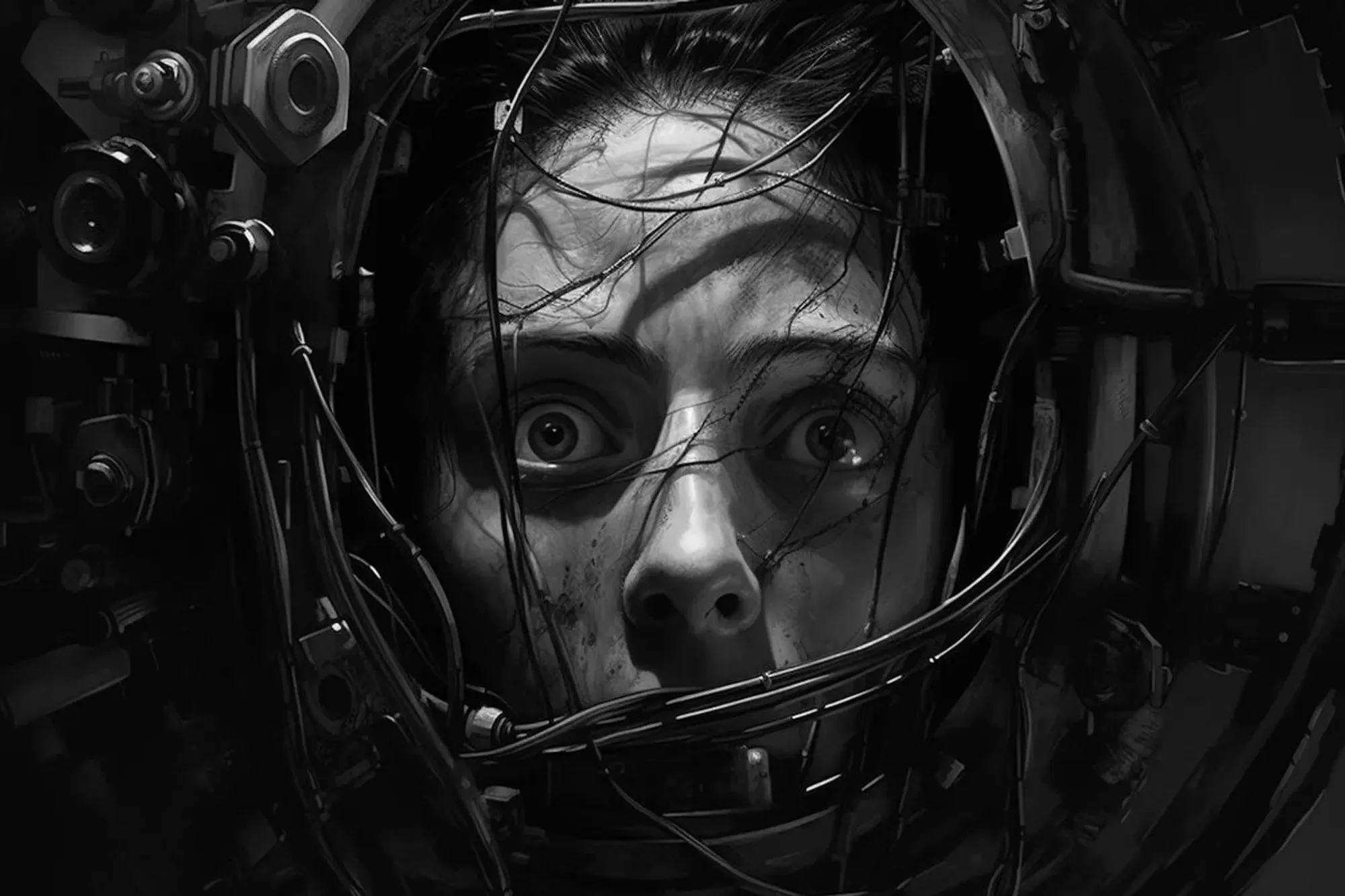
You will be given the opportunity to undergo a forensic experiment to reconstruct the events and experience all the horror for yourself.
Important information and features of the escape room
Требуется предоплата в размере 500 рублей на все сеансы. При согласовании за сутки до бронирования предоплату можно 2 раза перенести на другую дату. При бронировании на сеансы после 20:00 включительно и за 2 часа до игры предоплата не возвращается.
Online booking
The owner of this escape room has not yet confirmed their details.
If you are the owner of this escape room, please confirm your details so that customers can see your contact information for bookings.Location
Остановка «Магазин «Сакмара»
Services are provided by ООО Семейный Дом
Free Parking
Wardrobe
Waiting Area
AI Overview
AIMost rave about the set design, music, and resemblance to the original films. They note powerful acting and good organization; admins greet warmly and brief clearly. Puzzles are generally interesting and at times tough, but some guests complain about illogic and occasional mechanism failures. Fear level varies: some find it very scary, others want it darker and more unpredictable.
WeaknessesSometimes there are “fake” or illogical puzzles, and the tech occasionally fails. It can be a bit dirty, so avoid light clothes. Some teams complained the actor was predictable and audible in advance.
StrengthsAtmosphere and sets feel cinematic; light and sound build suspense. Actors keep the tension and guide the team flexibly, hints arrive on time. Lots of nods to the franchise, plot twists land.
SecurityClear briefing before the start, they ask about well-being, props are generally safe. In contact modes everything is controlled, but wear simpler clothes — it can get dirty.
Level of fearMostly scary, especially on advanced modes, but you can choose the intensity. Kids 11–12 have done it and got spooked, so for younger ones — with caution and on a lighter mode.
Actors' gameActing is often top-notch: they engage, scare in varied ways, and don’t overdo physical contact. Occasionally people note there’s one actor and his appearance is predictable.
Quality of riddlesTasks are varied, sometimes tricky and logical; without hints it can be tough. There are debatable solutions and elements from older versions; sometimes mechanisms glitch. Hints help, but more transparency in the logic is desired.
PlotThe plot has you reconstruct events and live through an investigative experiment, keeping you tense until the finale. There are unexpected moments and callbacks to the films.
Difficulty levelAbove-average difficulty: experienced players will love it, newcomers should sensibly take hints. Sometimes the solution is simpler than it seems, but that’s not always obvious.
Other escape rooms at this location
Saw: Survival Game2 - 10 people
Escape rooms in Orenburg by category
Pick a vibe — every category is a real page with reviews and booking.
Reviews