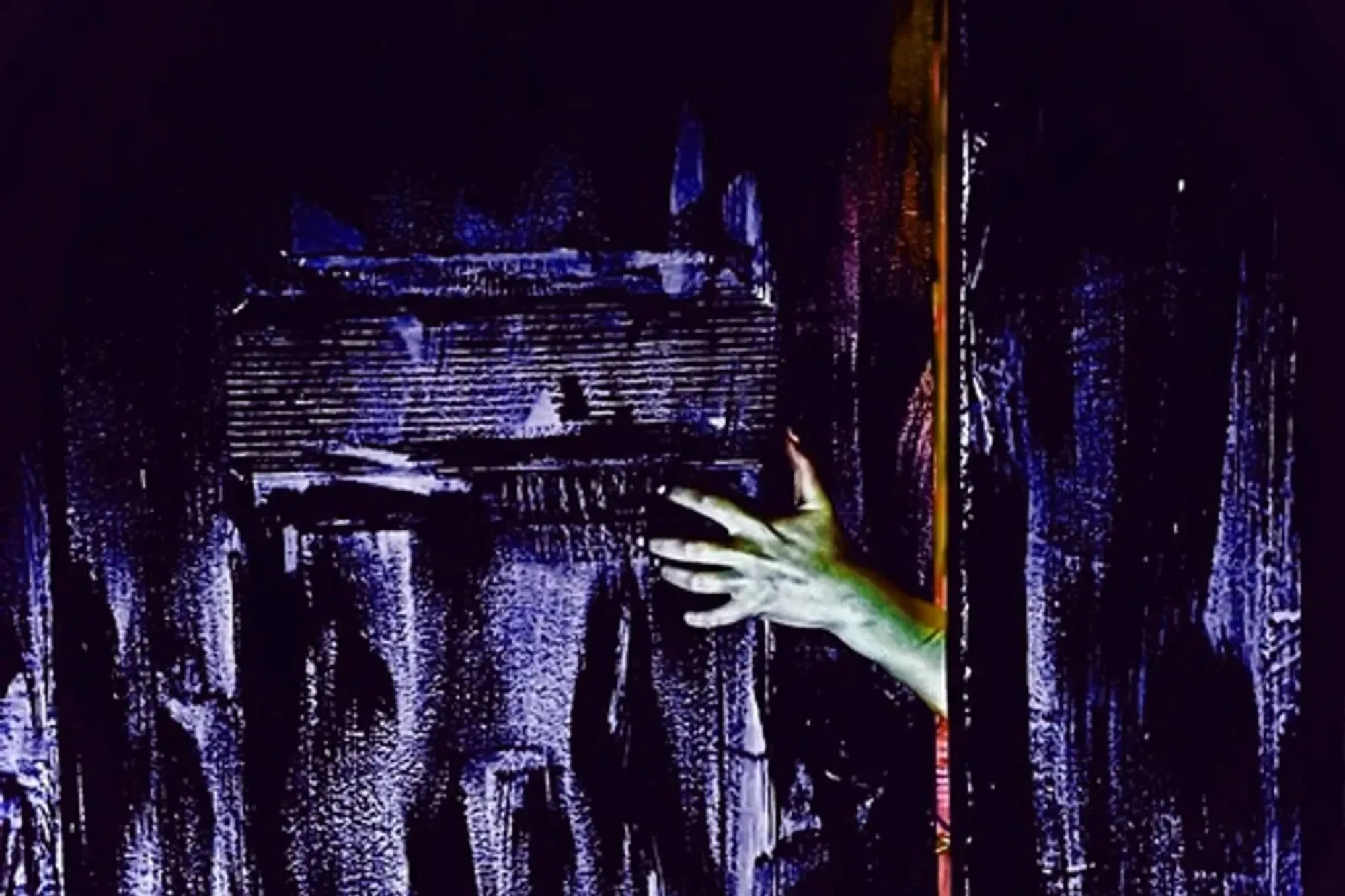
In the power of fear
- Instant booking
- 2–5Players
- 60 minutesTime
- Medium. Logic and teamwork. No special experience needed.Difficulty
- A bit scary. Jump scares and dark scenes.Scariness
Each of us encounters an emotion that causes feelings of helplessness, anxiety, and unrest. This emotion is called "fear". Everyone has their own: some are afraid of heights, some of large spaces, some have a fear of spiders, and some cannot be in confined spaces. But the biggest and most common is the fear of darkness. What lies in wait, and what unknowns lurk in the dark? You are about to face this, overcoming all your phobias, and look fear straight in the eye. After all, only fear can protect from danger. Age
На сеансы в 20:30 и 22:00 требуется обязательная предоплата в размере 600 рублей. Сумма предоплаты не возвращается при отмене бронирования позднее чем за 2 часа до игры.
Online booking
The owner of this escape room has not yet confirmed their details.
If you are the owner of this escape room, please confirm your details so that customers can see your contact information for bookings.Location
AI Overview
Other escape rooms at this location
Escape rooms in Omsk by category
Pick a vibe — every category is a real page with reviews and booking.
Reviews