Performance 18+
Silent Hill. New Fear
- Live actors
- 2–8Players
- 60 minutesTime
- Above average. More puzzles and a faster pace. Tight for beginners.Difficulty
- Scary. Actors, sudden appearances, psychological pressure.Scariness
About the escape room
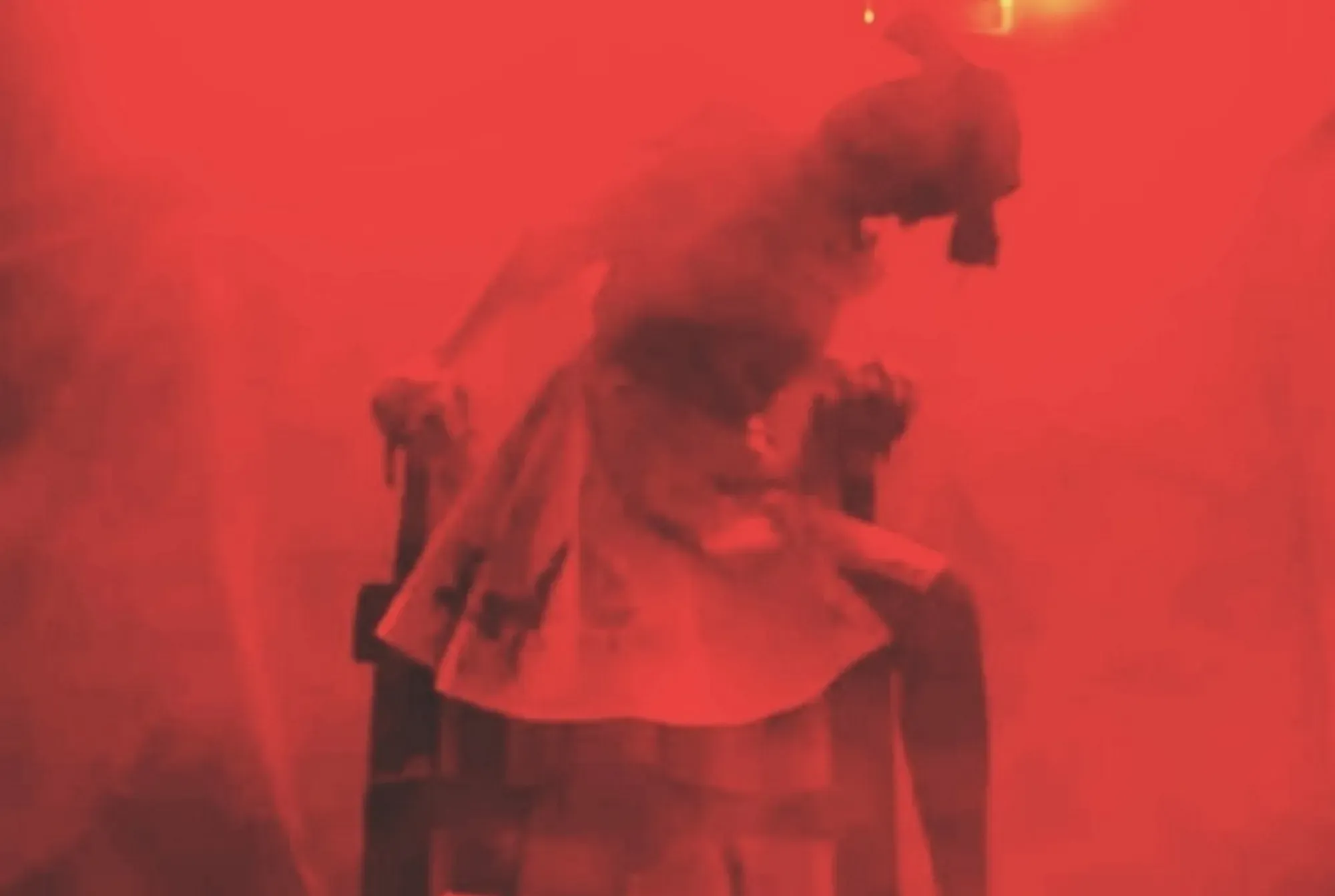
It is unknown how many people have forever disappeared in the mist of this resort town, lost in the mountains on the shore of a picturesque lake. Silent Hill is a town with a long and dark history, where a multitude of horrific events have occurred. Rumours circulate that the city's energy manifests the deepest fears and gives them physical form... Only by coming to terms with their inner fears and using all the capabilities of their mind, will players be able to leave Silent Hill.
The owner of this escape room has not yet confirmed their details.
If you are the owner of this escape room, please confirm your details so that customers can see your contact information for bookings.Location
67 м от остановки «Октябрьский проспект»
Services are provided by ИП Смирнов И.Э.
Free Parking
Wardrobe
Waiting Area
AI Overview
AIReviews most often praise the setting, sound, lighting, and fog — feels like stepping into a film. The actors carry the performance, especially the Nurse and Pyramid Head; contact is adjustable from light to hard with a shock device. Puzzles are mostly clear and logical, though some guests find them few, and at times the team gets too many hints. Rare downsides include organizational hiccups, grime, trimmed content, and safety concerns.
WeaknessesSometimes the puzzles feel few or boil down to searching; at times there are too many hints and the run is sped up. Complaints about organization: reschedules, delays, unopened locations, or a missing actor. In rare reviews — dirty, slippery, reported bruises and rough contact.
StrengthsStrong atmosphere: detailed locations, dark sound, lighting and fog — full immersion. Acting is vivid and varied, roles are recognizable, the finale is memorable. A large area and the sense of moving through a city/hospital add scale.
SecurityThere’s a briefing before start and a choice of contact level; the shock device is only with consent. However, there were complaints about bruises, dirty surfaces, and staff rushing, so it’s best to set boundaries in advance and be careful in the dark.
Level of fearVery scary, downright brutal on hard in places; the sensitive should beware. For newcomers and teens, the light mode without contact and without a shock device helps.
Actors' gameActing is praised almost unanimously: physicality, surprise entrances, tailored work with teams. Contact is adjustable: from gentle light to tough hard with a shock device, though occasionally people complain it’s too soft or, conversely, too rough.
Quality of riddlesPuzzles are generally fair and cohesive, medium difficulty; newbies manage with rare hints. For experienced players it may feel a bit easy and somewhat search-heavy. Actors and the operator sometimes steer or hurry you, which not everyone likes.
PlotThe legend and setting are familiar, the story is delivered through atmosphere and set pieces. The finale is powerful, but sometimes guests say the intro wasn’t included or the plot was barely revealed.
Difficulty levelPuzzle-wise — medium and friendly to newcomers; you can get through without prior experience. Veterans should pick hard, otherwise it may feel easy; optimal team is 3–5 people, big groups can feel cramped.
Silent Hill. New Fear2 - 8 people
Escape rooms in Kirov by category
Pick a vibe — every category is a real page with reviews and booking.
Reviews