Performance 18+
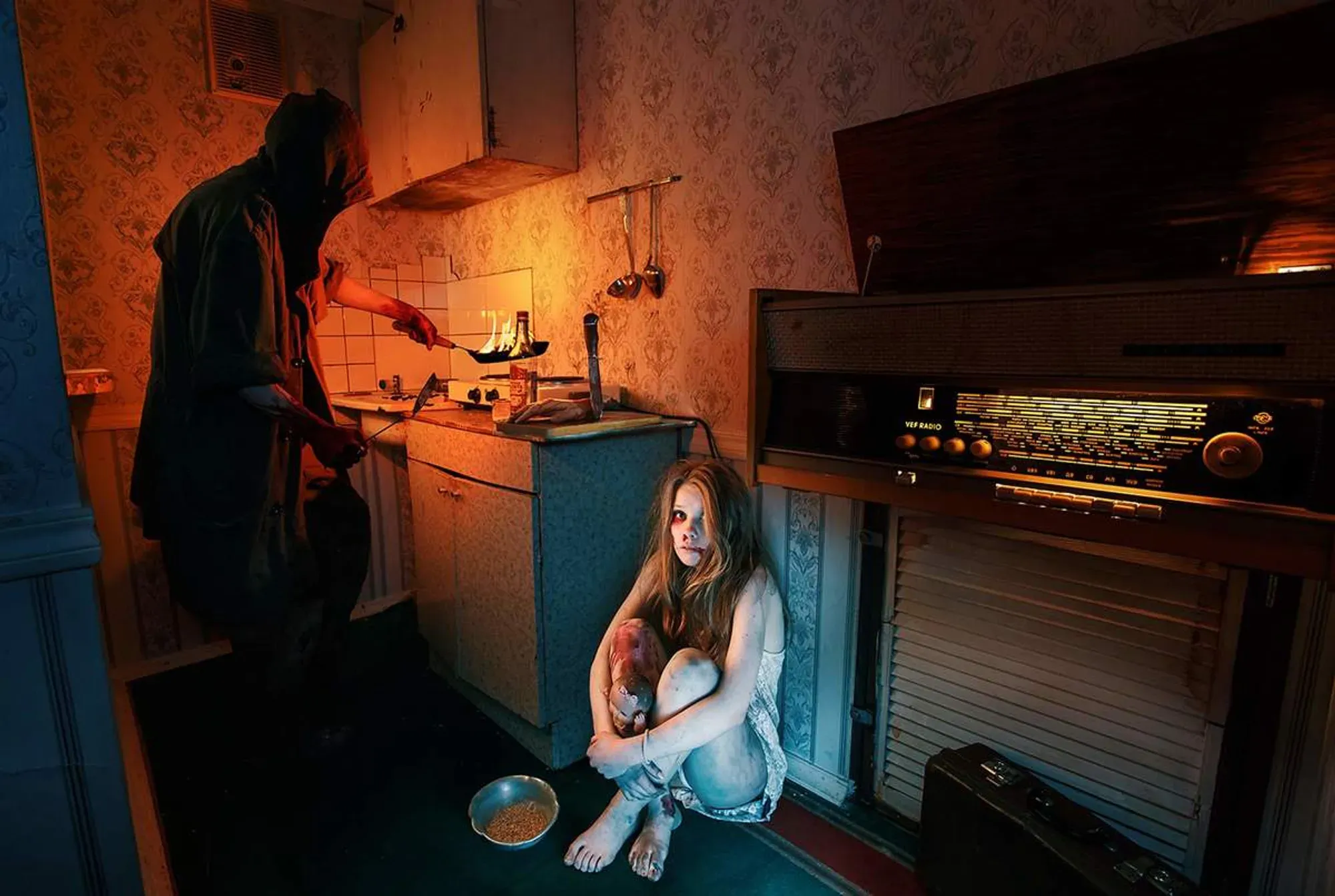
Cannibal
- 1–6Players
- 55 minutesTime
- Without riddles. Story and atmosphere, almost no puzzles.Difficulty
- A bit scary. Jump scares and dark scenes.Scariness
Escape room awards

Входит в топ 5 квестов города на агрегаторах
About the escape room
The abandoned dwellings of condemned serial killers attract thrill-seekers. Their walls are steeped in pain, and the floors are soaked in blood.
In one of such places, they've taken care of you and assure that you are not in danger...
Tours there are conducted during the day, nothing special. But strangely enough, after them, visitors were never met again. No details. It's just that passers-by still hear strange sounds at night. Now is the perfect time to find out everything for yourself!
Important information and features of the escape room
Требуется предоплата в размере 1000 рублей.
The owner of this escape room has not yet confirmed their details.
If you are the owner of this escape room, please confirm your details so that customers can see your contact information for bookings.Location
63 метра от остановки «Восточная улица»
Services are provided by ООО Стар Сервис
Wifi
Wardrobe
Waiting Area
AI Overview
AIMost praise goes to actors who never break character and subtly adapt to the team. The location is multi-level, atmospheric, with an old-apartment vibe, and immersion begins right at the entrance. It’s more of a performance with minimal puzzles; fear level and contact are adjustable. In smaller groups the experience is brighter; experienced players sometimes miss action and tasks.
WeaknessesFew puzzles and they’re simple — puzzle seekers may lack challenge. In larger groups some players complain about limited individual contact and tight space; it can be stuffy or dusty in places. Sometimes the pacing dips in the middle, and you want more action or stealth.
StrengthsTop-tier acting, lots of interaction and improvisation. The 'maniac’s apartment' setting and story delivery create a dense atmosphere; the finale is striking. The team considers preferences for contact and fear levels.
SecurityBefore the start they discuss rules and contact level; requests are usually accommodated. There were isolated complaints about unconsidered restrictions and dust, so it’s best to voice important requests in advance.
Level of fearScary in moderation, with adjustable levels — from light to 'rougher.' Not suitable for small children or the overly sensitive; teens are more comfortable with adults.
Actors' gameActors are almost unanimously called the strongest side: honest performances with humor, improvisation, and targeted attention to each person. Many thank specific performers by name and note they never drop character from the first minute to the finale.
Quality of riddlesThis is a performance with a minimal set of easy tasks and key searches. Puzzle lovers may leave hungry, but for those who don’t like 'head-scratching,' the format works great. No unfair moments noted — everything is transparent.
PlotThe story leads you into the 'maniac’s apartment,' where you’re, by the legend, realtors with a very risky task. The plot is coherent, with an unexpected twist and good pace toward the end, no spoilers.
Difficulty levelTask-wise — easy; the main challenge is in emotions and interaction. Comfortable for newcomers, while veterans may miss puzzles; optimal group size is 2–5.
Other escape rooms at this location
Cannibal1 - 6 people
Escape rooms in Yekaterinburg by category
Pick a vibe — every category is a real page with reviews and booking.
Reviews