Closed
Paranoia
- Live actors
- 3–8Players
- 60 minutesTime
- Above average. More puzzles and a faster pace. Tight for beginners.Difficulty
- Scary. Actors, sudden appearances, psychological pressure.Scariness
About the escape room
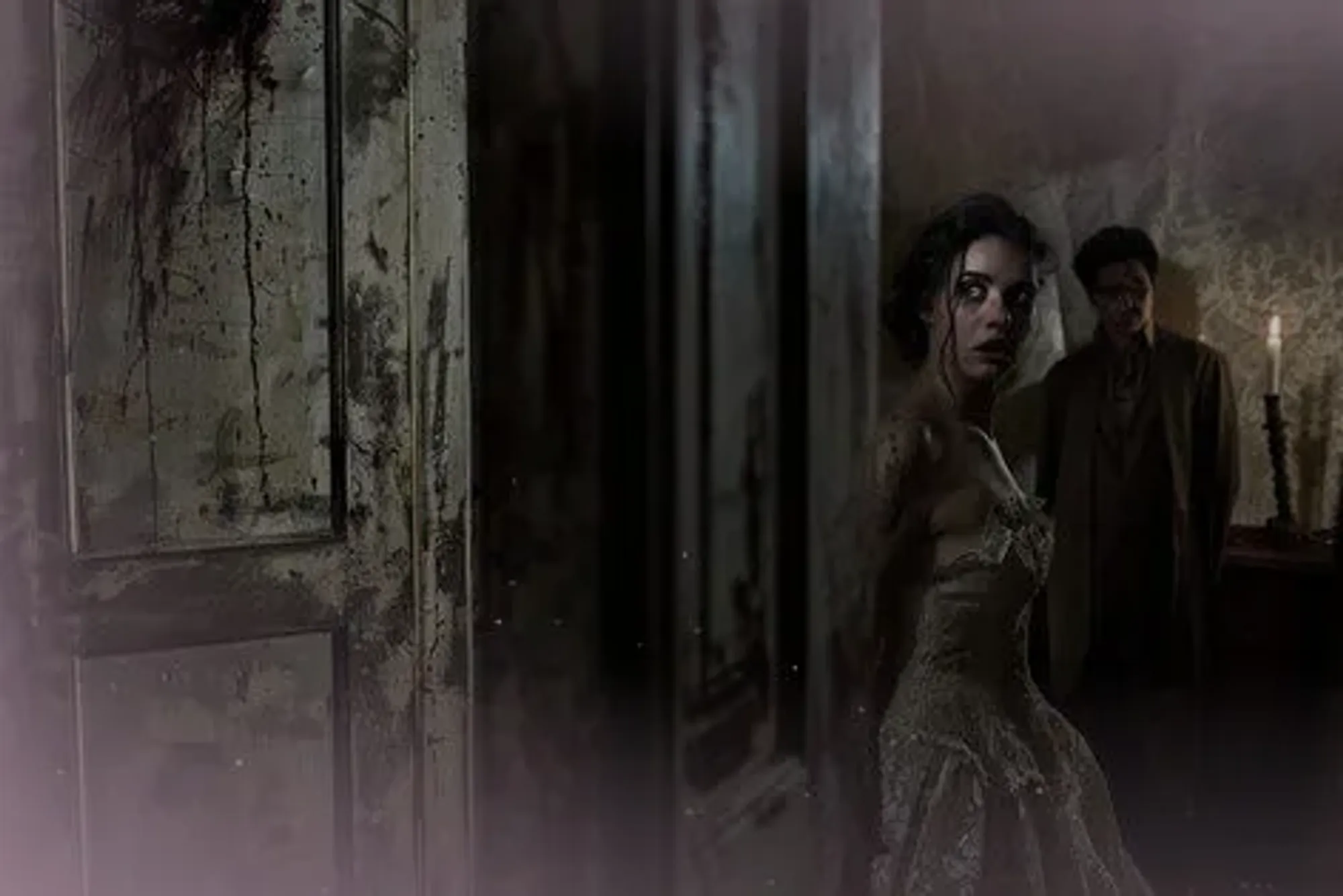
Tired of everyday hustle, stress, fatigue, and depression, you and your friends find an advertisement for group therapy at one of the clinics. Without thinking too much, you head there ... But behind the screen of relaxing procedures hides the horrors of patients. Realizing this, you understand that the doors are already locked, and the only way to freedom is to go through the entire course! Whether to remain a patient of the clinic or to survive and escape - will depend only on you!
Important information and features of the escape room
Организатор вправе потребовать внесение предоплаты в размере 500 рублей на все сеансы. При отмене бронирования предоплата не возвращается.
The owner of this escape room has not yet confirmed their details.
If you are the owner of this escape room, please confirm your details so that customers can see your contact information for bookings.Location
2 минуты пешком от остановки «Алое поле»
Services are provided by Никитина Ю.С.
Free Parking
Wifi
Wardrobe
Waiting Area
AI Overview
AIMost praise the huge, well-designed location, the hospital vibe, and the actors’ work — they scare you from the get-go and keep the pace high. Teams are advised to book 3 actors: then there’s enough contact and attention for everyone. Puzzles are mostly logical and story-driven, but feel tougher on adrenaline; newcomers get helpful hints. Rare downsides include hints given too early and a shortened run, plus confusion about when to act on your own versus obey the actors.
WeaknessesSometimes hints arrive too early, making the quest fly by faster than expected. For larger teams, two actors aren’t enough — contact and tension drop. Some reviews mention organizational issues: requests to leave a “strict 5,” tipping, occasional safety slips, and access to non-game areas.
StrengthsActing and improvisation are top-notch, with lots of interaction and roleplay. Large, varied location with corridors, wards, and “secret” areas, immersion from minute one. Good balance of fear, dynamics, and puzzles; contact level can be tuned.
SecurityThere’s a pre-game briefing and contact-level options, but reviews suggest wearing comfy shoes and staying alert during running and tunnels. A couple of times people mentioned open non-game doors and minor breakages — it’s worth clarifying rules and reporting issues to the admin right away.
Level of fearScary and at times very intense, but the contact level is adjustable. Not for children; more comfortable for teens and adults, especially without claustrophobia — there are tunnels and tight passages.
Actors' gamePlayers are thrilled: the actors attune to the team, keep the rhythm, and don’t let go until the finale. Almost everyone recommends taking three — that way everyone gets enough attention and the atmosphere is tighter.
Quality of riddlesPuzzles fit the story, mostly intuitive and fair, without “open ten identical locks.” Comfortable for newcomers; experienced players may want more challenge. Sometimes mechanics hinge on the host, which can confuse if not explained in advance.
PlotYou go in for “therapy” and suddenly find yourself in a chain of procedures where it’s easy to turn from patients into “one of their own” for the staff. The plot unfolds through interaction with actors and the space, without spoiler overload — choices affect the experience.
Difficulty levelMedium difficulty: manageable for most teams, especially with hints. Experienced players should ask for fewer hints or a harder mode to avoid blasting through in 40–50 minutes.
Escape rooms in Chelyabinsk by category
Pick a vibe — every category is a real page with reviews and booking.
Reviews