Escape room 14+
Indiana Jones
- 2–6Players
- 60 minutesTime
- Above average. More puzzles and a faster pace. Tight for beginners.Difficulty
- Not scary. Almost no tension.Scariness
About the escape room
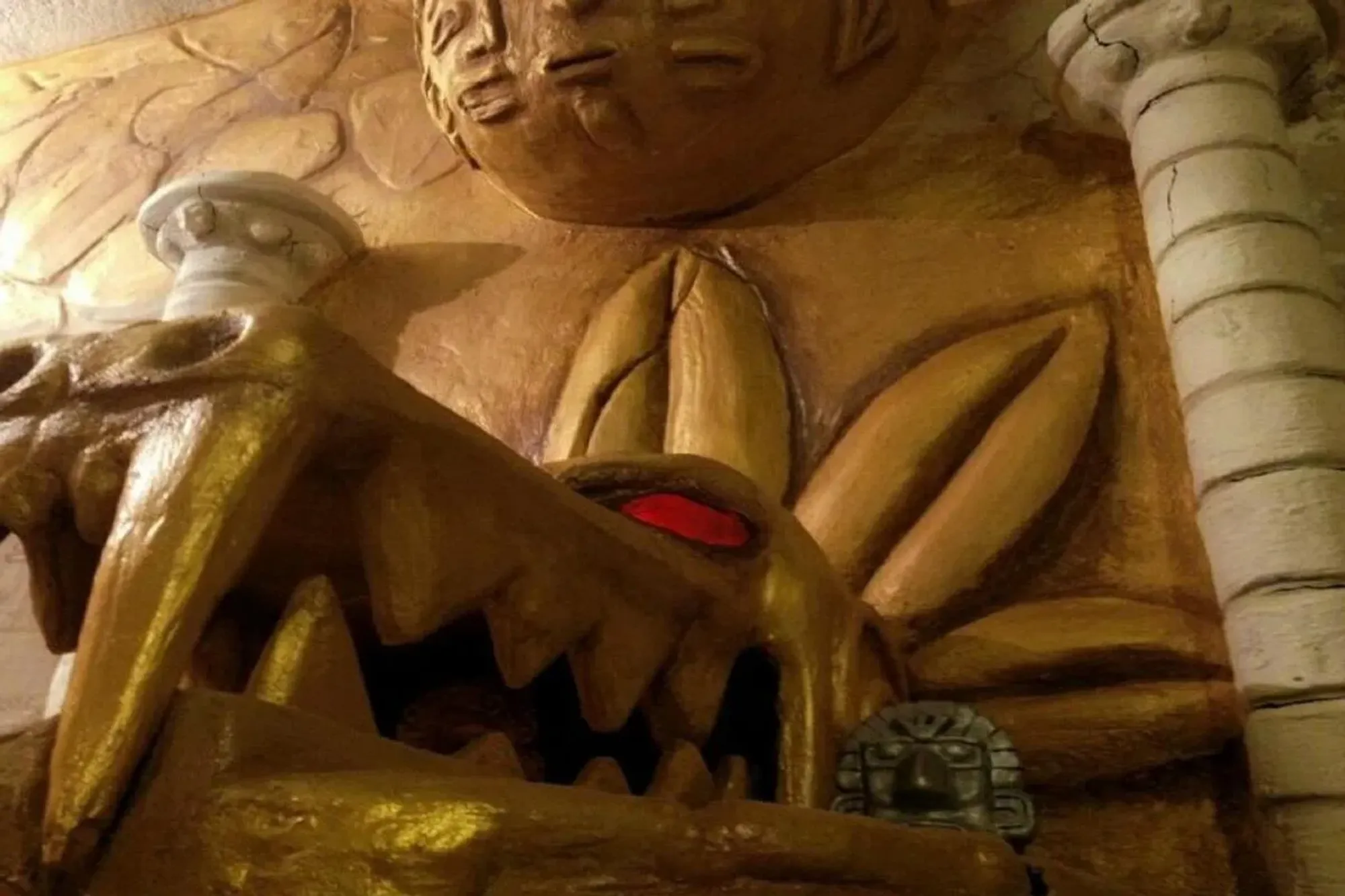
Professor Indiana Jones has left you all his findings so that you could complete the work of his entire life. As you know, he loved adventures very much. Perhaps, you will not only manage to find out what happened to the professor, but also find the golden Mayan statuette.
The owner of this escape room has not yet confirmed their details.
If you are the owner of this escape room, please confirm your details so that customers can see your contact information for bookings.Location
Остановка «Свердловский проспект», цокольный этаж
Services are provided by Гребенщиков А.А.
Free Parking
Wifi
Wardrobe
Waiting Area
AI Overview
AIMost often praised are the cave-and-temple vibes, the absence of code locks, and the abundance of working mechanisms. Difficulty leans high, and many find the ending the toughest, so hints are taken often. The host is generally tactful and helps on request; sometimes they let you play beyond the hour, though there are complaints about overhinting and minor tech hiccups. Space is limited, it can feel stuffy, and some elements show wear; on weekdays the quest is especially praised for price, though there are occasional complaints about cost.
WeaknessesSometimes the tech is finicky and the location feels a bit worn, so you may need to press harder or call the host. It can feel cramped and stuffy, and some people want more story and more rooms. Some teams complain about intrusive hints and, more rarely, an overpriced fee.
StrengthsExcellent set design and immersion, varied and logical puzzles, lots of mechanics and automation. The host is attentive to the team's pace, hints are to the point. They often let you finish the game even if you slightly run over time.
SecurityClear briefing before the start, the host carefully guides you over comms. Mechanisms are mostly reliable, but due to wear it's better to act carefully; slight stuffiness is possible.
Level of fearThis is not a horror: at most a couple of light "boo!" moments. Suitable for kids around 10 and up and family teams, more about excitement and searching than fear.
Actors' gameNo actors; the game runs via the host over comms. Their work is mostly praised for delicate nudges and a good sense of rhythm, though sometimes they hint earlier than you'd like.
Quality of riddlesPuzzles are fair and varied: logic, observation, mechanics; solutions feel earned. Lots of automation, almost no code locks, which pleases veterans. Occasional technical hiccups get in the way, but overall quality is high and without randomness.
PlotYou finish a professor's work and hunt for an artifact — classic adventure. The story is secondary to the tasks, so there aren't many dramatic twists.
Difficulty levelDifficulty is medium-high, especially the finale; best for 2–4 experienced players. Newcomers are comfortable with hints; without them you can get stuck in one zone or on 15-puzzles.
Indiana Jones2 - 6 people
Reviews