Performance 18+
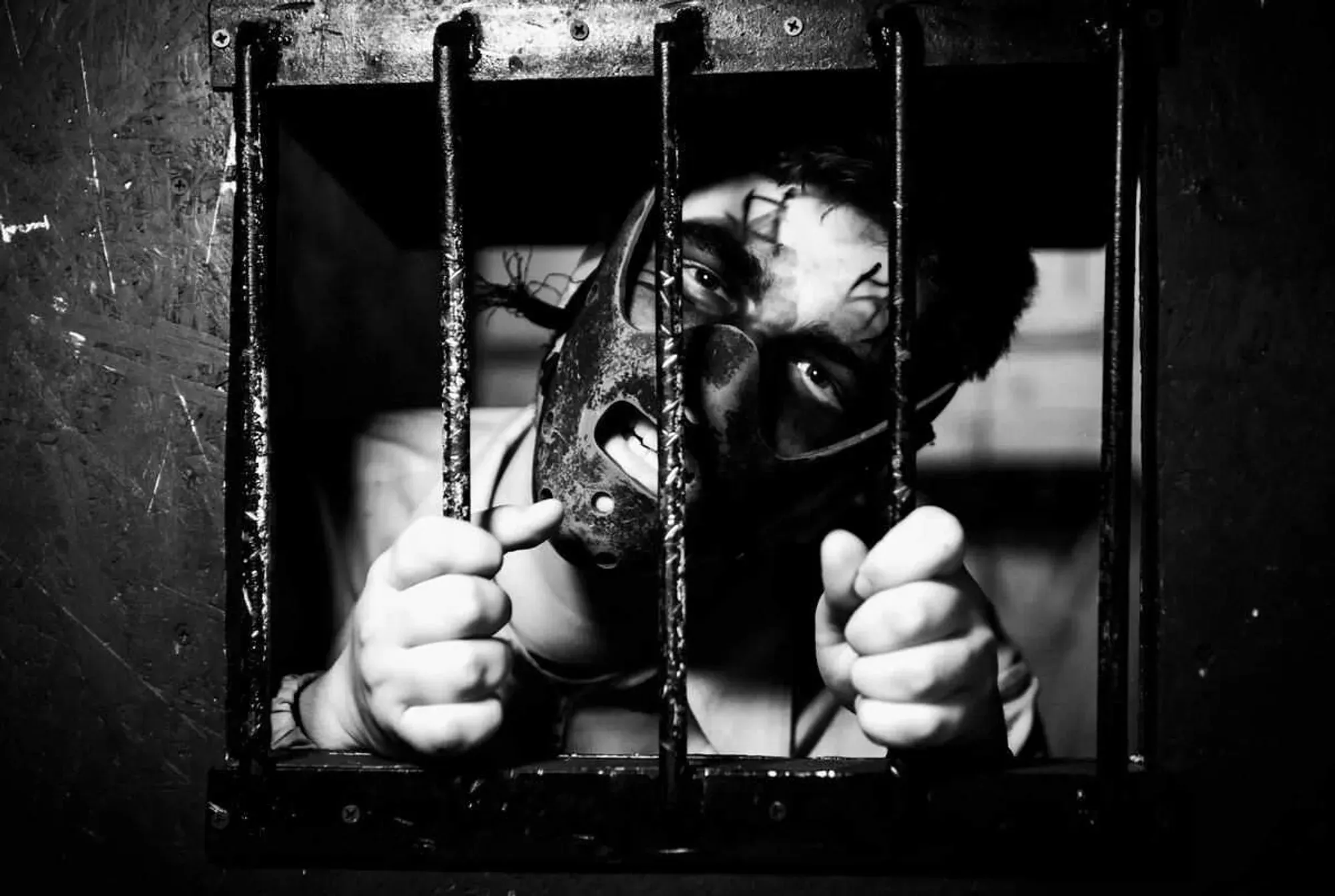
Hannibal
- Live actors
- 2–8Players
- 60 minutesTime
- Medium. Logic and teamwork. No special experience needed.Difficulty
- Scary. Actors, sudden appearances, psychological pressure.Scariness
About the escape room
A brilliant forensic psychiatrist, a serial killer and a cannibal. He exhibits psychopathic traits and possesses an outstanding intellect. His intellect brings him fame in medical circles, while cannibalism is known among ordinary people.
He plays with you, try to outmaneuver him and escape... You have exactly 60 minutes...
Important information and features of the escape room
Для бронирования квеста необходимо внести предоплату, на сеансы до 22:00 – 500 рублей, после 22:00 – 1000 рублей.
Доплата за участие второго актера – 800 рублей.
The owner of this escape room has not yet confirmed their details.
If you are the owner of this escape room, please confirm your details so that customers can see your contact information for bookings.Location
Остановка «Комсомольский проспект»
Services are provided by ИП Тлеубаев Ж.С.
Free Parking
Wardrobe
Waiting Area
AI Overview
AIWhat grabs guests first is the acting: with 2–3 actors the quest is noticeably scarier and more dynamic; many note personal interaction and improvisation. Atmosphere, sound, and set design are consistently praised; the venue is large, at times cramped and hot, with climbing and tunnels. Puzzles are mostly logical and attention-based, but sometimes non-obvious; there are complaints about unclear door triggers and weak thematic ties of some tasks. Safety is generally fine, but sharp metal edges and active props are occasionally mentioned; staff and instructors are friendly and engaged.
WeaknessesAt times it’s unclear whether a puzzle has triggered, and it can feel like doors open “by themselves.” Occasional notes about the safety of props and metal surfaces; some spots are hot and cramped. At the medium contact level, some players found it not very scary.
StrengthsPowerful acting with selectable contact and sharp improvisation. A large, atmospheric venue with well-tuned sound and lighting. Attentive staff: they get you into the flow quickly and help with hints.
SecurityClear briefing and contact level selection before start; during the game the administrator stays in touch. On hard, there’s lots of physicality and some tight/hot spots; occasional complaints about sharp metal edges and active props — set boundaries and don’t hesitate to report discomfort.
Level of fearVery scary, not for the faint-hearted. The level of physical contact is selectable; minors typically have contact limited.
Actors' gameActors get unqualified praise: they scare unexpectedly, work with each person, and keep a high tempo. With two or three actors, emotions multiply; contact is active but usually careful, and they don’t intentionally cause pain.
Quality of riddlesVaried puzzles, mostly about attention and logic; under actor pressure they’re harder to solve, so hints help. Sometimes the link to the Hannibal theme is indirect, and mechanism triggers aren’t obvious. Overall fair and manageable for teams of different levels.
PlotYou are in the lair of a maniac psychopath who plays cat-and-mouse with you. The task is simple and brutal: outsmart him and escape in 60 minutes.
Difficulty levelPuzzle-wise, medium difficulty: newcomers may need hints, especially with high contact. Experienced teams will move faster, but the actor-driven chaos will hamper clear thinking.
Other escape rooms at this location
Hannibal2 - 8 people
Escape rooms in Chelyabinsk by category
Pick a vibe — every category is a real page with reviews and booking.
Reviews