Performance 14+
Cursed
- Live actors
- 2–6Players
- 90 minutesTime
- Medium. Logic and teamwork. No special experience needed.Difficulty
- A bit scary. Jump scares and dark scenes.Scariness
About the escape room
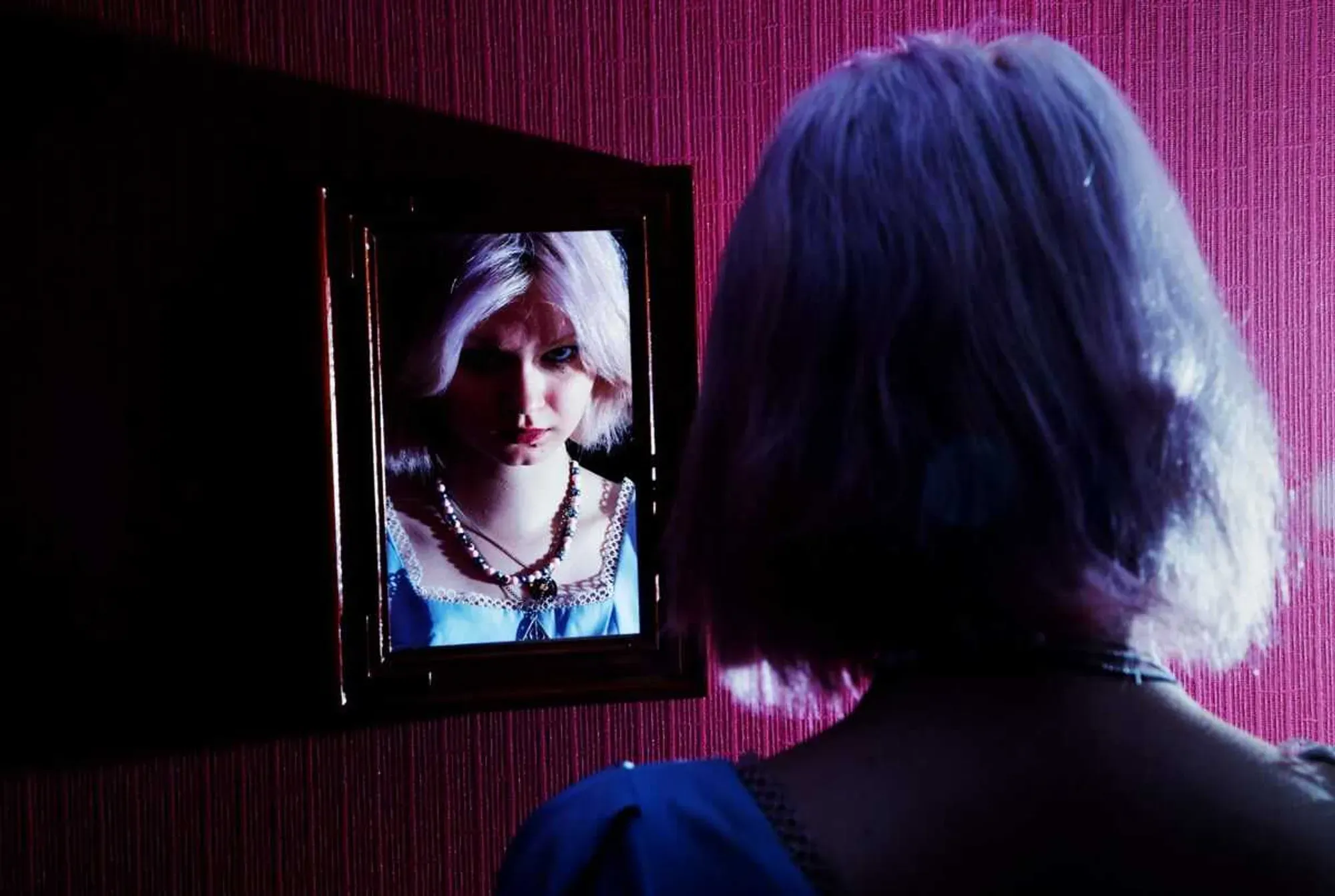
A gloomy evening of a cold autumn. You - best friends since school days, simultaneously received a text from a former classmate. She invites you to meet and stay at her house, because Dasha (as your classmate is called) could not come to the alumni meeting, which she deeply regrets. Terrified after reading the message, you abruptly stand up and run towards her house. Daria, wearing the same dress she wore at the prom, greets you with a wide smile on her face. But as soon as you cross the threshold, each of you loses consciousness. When you came to, you realized that Dasha was gone, as was the way back ...
Important information and features of the escape room
Для подтверждения бронирования требуется предоплата в размере 500 рублей.
The owner of this escape room has not yet confirmed their details.
If you are the owner of this escape room, please confirm your details so that customers can see your contact information for bookings.Location
7 минут пешком вниз по улице от остановки «Ул. Афанасьева». Вход в подвальное помещение справа от «Росгосстрах», рядом вывеска «Эткер»
Services are provided by ИП Петров Д.В.
Free Parking
Wifi
Wardrobe
Waiting Area
AI Overview
AIMost are thrilled with the "in your head" format, deep immersion, and the work of the actors and host. The game is seated and long, yet tension and emotions hold to the end; many keep discussing it afterward. There are complaints about certificate service and occasional notes on the host’s diction/emotionality. A few reviews flagged mask hygiene as a risk and that without team chemistry and imagination the impression is weaker.
WeaknessesSome find it boring to sit with eyes closed and not move; if your imagination is weak, it lands worse. There are complaints about unclear diction and low emotionality from the host. The certificate policy is criticized separately, and there was a review about problems with masks.
StrengthsStrong atmosphere, vivid imagery and effects, a sense of personal involvement in the plot. Live improvisation by the host tailored to the team, good rapport with the actors.
SecurityThey give a briefing and treat players attentively. Reviews suggest bringing your own sleep mask; a single unpleasant skin/eye incident due to masks was mentioned.
Level of fearScary in places, but without gore or realism—more psychological tension. Teens liked it, but the easily frightened should prepare mentally.
Actors' gameActors and hosts are often praised for engagement, pacing, and adaptability; they drive the immersion. Sometimes people ask for more emotion and a clearer voice.
Quality of riddlesNo classic puzzles; this isn’t about locks. Decisions and strategy matter more: what to take, where to go, how to act. The event logic is generally fair; the outcome depends on the team.
PlotYou’re childhood friends going to Dasha, but on the doorstep you lose consciousness, and there’s no way back. Then comes a chain of choices and consequences, where atmosphere and imagination fill in the picture.
Difficulty levelMedium difficulty: no physicality, but you need teamwork and imagination. Playing solo and without a shared mood is hard.
Other escape rooms at this location
Cursed2 - 6 people
Reviews