On the edge…
- Instant booking
- Live actors
- 2–10Players
- 90 minutesTime
- Medium. Logic and teamwork. No special experience needed.Difficulty
- Scary. Actors, sudden appearances, psychological pressure.Scariness
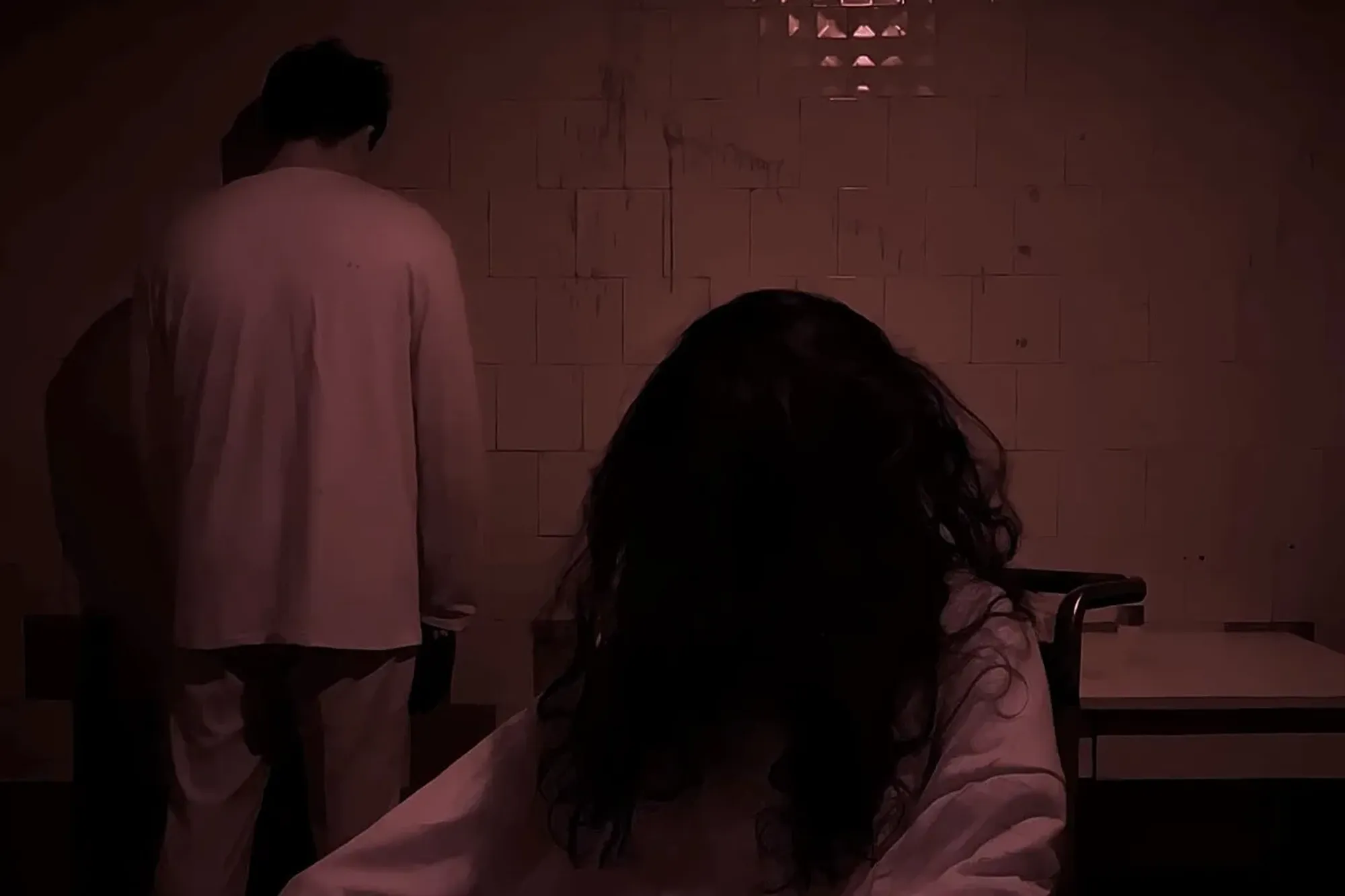
The abandoned clinic on the outskirts of the city hides a terrible secret. Many years ago, forbidden experiments were conducted here.
A new virus, created in the laboratory, escaped. The only survivors remained locked in here forever. Their bodies are distorted by the disease, their minds clouded. Horrible changes happen to them every minute. Doctors are helpless, medicine doesn't help. Their screams from the depths of the ward drown out all other sounds.
The condition of the patients is hopeless, they have already fallen into agony.
На все сеансы требуется обязательная предоплата в размере 500 рублей и подтверждение по телефону. В случае отмены брони менее чем за 24 часа до игры предоплата не возвращается. Просим отнестись с пониманием.
Online booking
The owner of this escape room has not yet confirmed their details.
If you are the owner of this escape room, please confirm your details so that customers can see your contact information for bookings.Location
AI Overview
Escape rooms in Cheboksary by category
Pick a vibe — every category is a real page with reviews and booking.
Reviews